

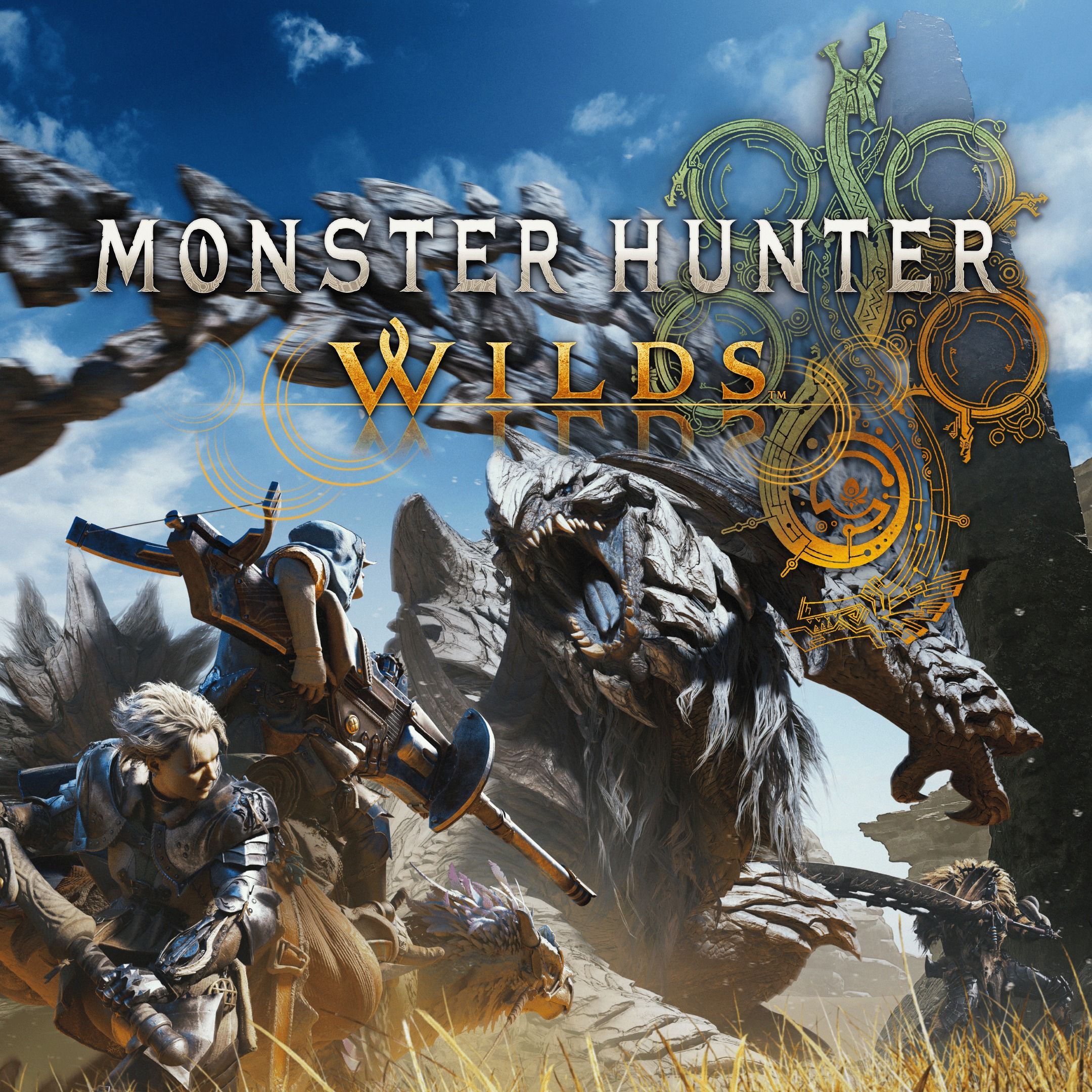
Could Capcom be preparing to unleash the most immersive and mechanically intricate hunting experience in video game history? When series producer Ryozo Tsujimoto took center stage alongside executive director Kaname Fujioka and game director Yuya Tokuda, hunting fans worldwide braced themselves for an evolution. What arrived in the latest gameplay breakdowns for Monster Hunter Wilds is nothing short of a paradigm shift. Featuring an unprecedented seamless ecosystem, brutal dynamic weather cycles, and the long-awaited Focus Mode combat mechanics, Capcom’s flagship franchise is ditching legacy zone transitions entirely to deliver pure, unadulterated survival drama.
The Windward Plains: Seamless Ecosystem and Brutal Weather Cycles
For two decades, the Monster Hunter series divided its breathtaking environments into fragmented arenas. Even Monster Hunter: World, with its sprawling vertical biomes, maintained distinct separation between base camps and the wild frontier. In Monster Hunter Wilds, director Yuya Tokuda has dismantled those barriers entirely. Hunters can now ride seamlessly from vibrant settlement outposts straight into the untamed wilderness without a single loading screen interrupting their journey.
The centerpiece of this technical marvel is the Windward Plains, a dynamic ecosystem that shifts through distinct environmental phases: the Fallow, the Inclemency, and the Plenty. During the Inclemency, ferocious electrical sandstorms known as the Sandtide sweep across the dunes, transforming peaceful grazing grounds into hazardous battlefields struck by lightning. Apex predators like the ferocious lightning beast Rey Dau emerge specifically during these catastrophic weather shifts, demanding rapid tactical pivots from hunters who must survive environmental hazards while dodging lethal electric railgun strikes.
The Seikret Mount: True Mobility and Dynamic Weapon Swapping
One of the most consequential additions to the hunter’s arsenal is the Seikret, an agile, bipedal creature that serves as both transport and field weapons rack. Unlike the Palamutes introduced in Monster Hunter Rise, the Seikret can be guided automatically along hunting trails or controlled directly across steep vertical cliffs. More importantly, it carries a secondary weapon pouch.
This allows hunters to carry two completely different weapons simultaneously into the field—for example, engaging flying Wyverns with a precision Heavy Bowgun before swapping to a Great Sword or Charge Blade once the monster crashes to the earth. Executive director Kaname Fujioka noted that this mechanic encourages unprecedented strategic depth, allowing solo players and coordinated squads alike to adapt to shifting hunt conditions on the fly without having to fast-travel back to a distant tent.
Focus Mode and Precision Wounding: High-Skill Hunting Perfected
Combat pacing has also undergone a radical transformation through the introduction of Focus Mode. By holding a dedicated aiming trigger, hunters can precisely align their strikes and guard angles, granting razor-sharp directional control over attacks that previously relied strictly on character facing.
Complementing Focus Mode is the new dynamic wound system. Repeatedly striking specific monster anatomy—such as the massive claws of the territorial Doshaguma or the armored hide of Chatacabra—creates visible physical wounds. Targeting these compromised weak points with Focus Strikes triggers massive burst damage and staggers, rewarding tactical discipline rather than reckless damage-trading. It delivers the precision feel of dedicated action games while preserving the deliberate weight and weightiness that veterans cherish.
This tactical depth mirrors the massive design leaps seen in recent industry blockbusters; much like how Ghost of Yotei evolves open-world traversal across Hokkaido and how Dragon Ball: Sparking! ZERO stunned the gaming industry with rapid combat feedback, Capcom is raising the bar for modern Japanese game design.
Alma, Gemma, and the Forbidden Lands Research Commission
Beyond blade and fang, Capcom has invested heavily into cinematic narrative immersion. In Monster Hunter Wilds, the guild assigns a dedicated expedition team to investigate the mysterious Forbidden Lands. Players are accompanied by Alma, an articulate guild handler who handles quest assignments and field records, and Gemma, a passionate blacksmith whose deep ties to the franchise delight longtime lore enthusiasts.
Crucially, the hunter is now fully voiced during story cutscenes and real-time field banter, providing genuine emotional weight to the mystery of the White Wraith and the lost expeditions of the frontier. Coupled with support hunters—AI companions who can be summoned seamlessly via SOS flare during offline play—Capcom ensures that every player can experience high-octane hunts regardless of server availability.
What Do You Think?
Are you excited to master the new Focus Mode and explore the dynamic weather shifts of the Forbidden Lands? Which two weapons will you pair together on your Seikret mount when embarking into the wild? Drop your thoughts, favorite weapon combos, and hunting plans in the comments below!