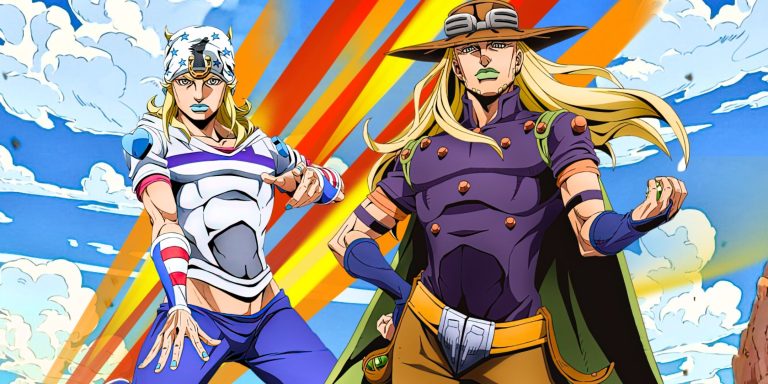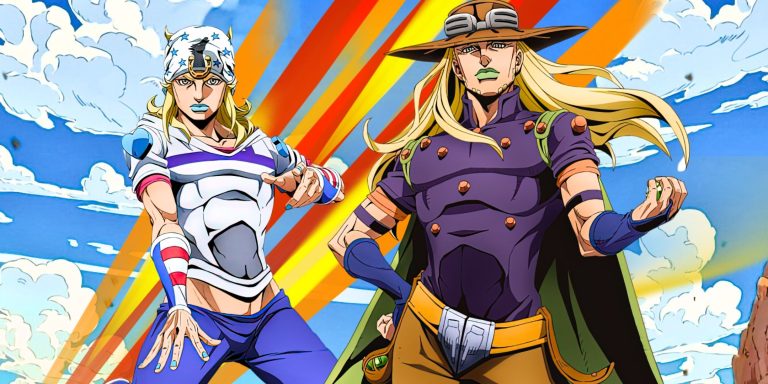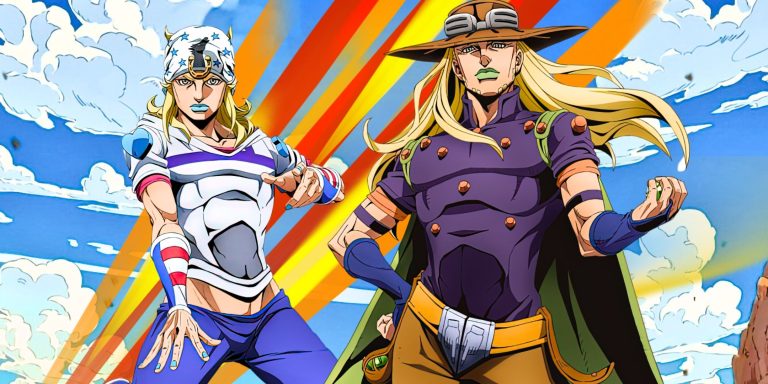
Ever since the melancholic strains of Duffy’s “Distant Dreamer” faded out alongside the climactic reset of Stone Ocean, the international anime community has held its collective breath. For over a decade, David Production pulled off what was once deemed mathematically impossible: faithfully, stylishly adapting Hirohiko Araki’s multigenerational, genre-warping saga across six distinct arcs. Yet, the end of the original Joestar bloodline did not signal finality. Instead, it turned every set of eyes toward the starting line of an 1890 cross-country horseback race spanning from San Diego Beach to New York City.
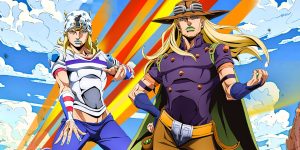
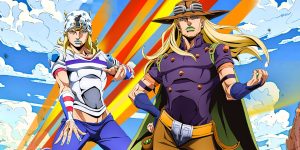
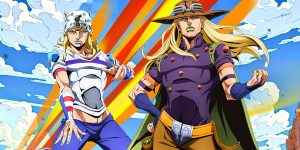
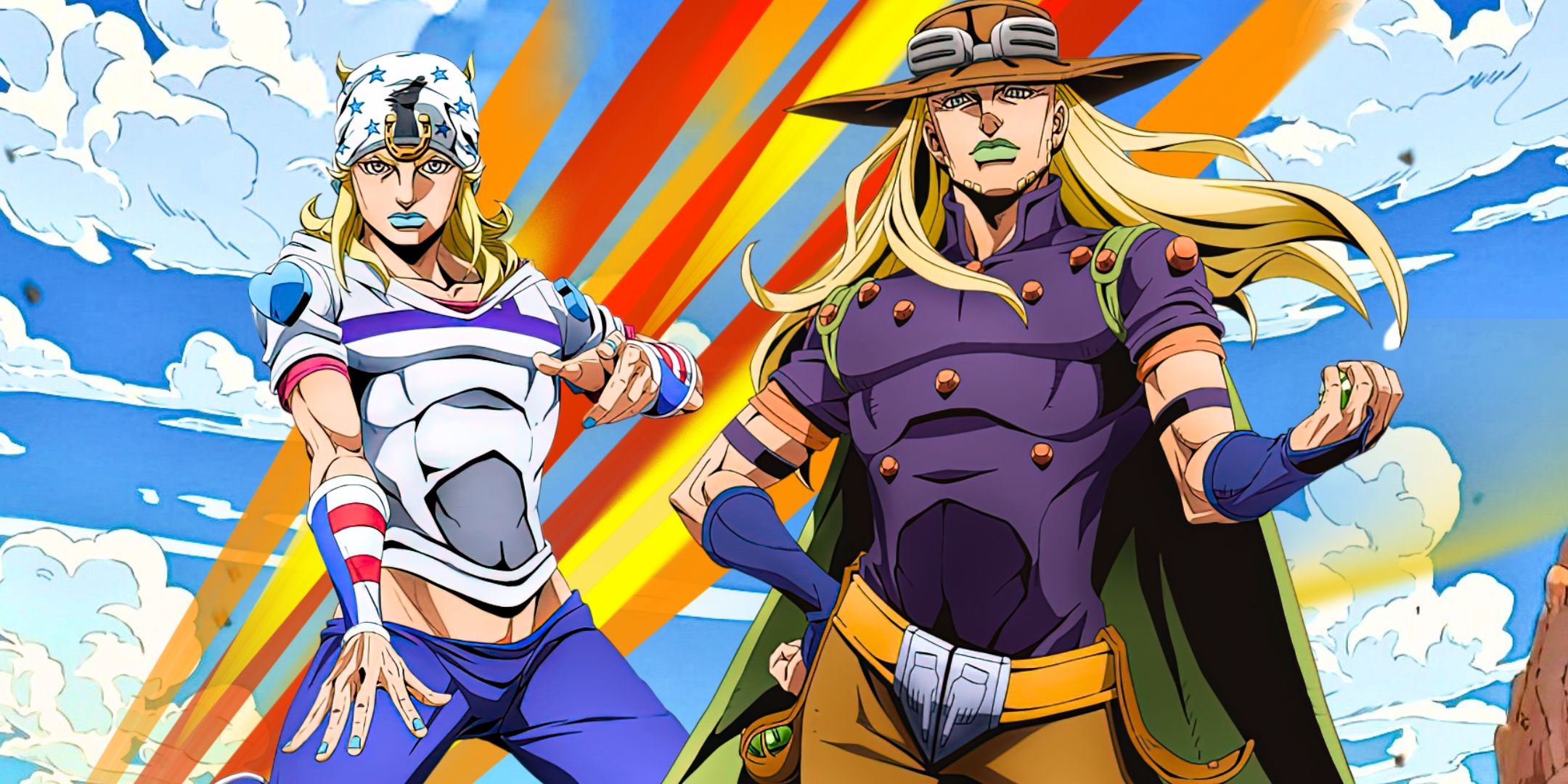
The anticipation surrounding an anime adaptation of JoJo’s Bizarre Adventure Part 7: Steel Ball Run is not mere run-of-the-mill fandom eagerness; it is a cultural event in waiting. Frequently rubbing shoulders with Berserk at the absolute peak of user-rated manga rankings worldwide, Steel Ball Run represents Araki’s critical and narrative zenith. As industry whispers swirl and studio schedules clear, the prospect of witnessing Johnny Joestar and Gyro Zeppeli gallop across serialized television represents both the ultimate artistic prize and the most terrifying technical hurdle in David Production’s storied history.
The Shift to Seinen: Araki’s Trans-American Magnum Opus
To understand the sheer magnitude of the Steel Ball Run buzz, one must appreciate its unique genesis. Originally serialized in Weekly Shonen Jump in 2004 under the unassuming title Steel Ball Run—deliberately downplaying its direct JoJo lineage—the series truly blossomed when it migrated to the monthly pages of Shueisha’s seinen publication, Ultra Jump, in 2005. Freed from the relentless deadlines and demographic constraints of traditional teen battle manga, Araki reinvented his entire creative philosophy.
Part 7 is a radical reinvention: a Western period piece woven with cosmic dread, political espionage, theological mystery, and high-octane sporting drama. The trans-continental race serves not merely as a dynamic backdrop, but as an unforgiving gauntlet that chips away at the psychological facades of its competitors. Rather than defending school towns or hunting down flamboyant serial killers, the competitors of the Steel Ball Run are rough, desperate outcasts traversing blisteringly desolate canyons and plague-ridden swamps. It is mature, deliberate, and undeniably breathtaking in its thematic ambition.
The Soul of the Frontier: Johnny, Gyro, and the Ethics of the Spin
From Paragon to ‘Negative’: Johnny Joestar’s Dark Determination
At the center of this sprawling odyssey lies Johnny Joestar, an intentional, subversively brilliant inversion of his heroic ancestor, Jonathan. Paraplegic, bitter, and stripped of the aristocratic pride he once wielded as a prodigy jockey, Johnny is not introduced on a crusade to save the world. His motivation is painfully, nakedly selfish: after witnessing the mysterious kinetic energy of a steel sphere allow his dormant legs to briefly twitch, he enters the grueling race simply to regain the ability to walk.
Araki boldly paints Johnny with what the narrative repeatedly calls “dark determination”—an unblinking, borderline-sociopathic resolve willing to cross moral thresholds that previous shonen protagonists would run from. His journey is not an ascent from zero to hero, but a desperate, crawl from “negative” back to “zero.” This profound psychological realism offers the prospective anime adaptation an emotional weight unlike anything seen in the franchise’s history.
Gyro Zeppeli and the Sacred Geometry of the Spin
Balancing Johnny’s brooding desperation is Gyro Zeppeli, arguably the most fully realized co-protagonist Araki has ever penned. Sent on a private mission by the Kingdom of Naples to secure the pardon of an innocent child condemned to execution, Gyro wraps himself in theatrical arrogance, golden teeth engravings, and absurd earworm songs about Italian delicacies. Yet beneath the flamboyant exterior lies the tragedy of an executioner’s son wrestling with familial duty and existential purpose.
Through Gyro, Araki introduced The Spin, an intricate martial discipline rooted in the mathematics of the Golden Ratio and Fibonacci sequences. While traditional Stands make their eventual, inevitable return, the integration of kinetic rotation elevates the tactical ingenuity of Part 7’s battles. Watching the physics of the Spin visualized—the spherical distortion, the harness of natural geometry, and the visceral manifestation of Johnny’s Stand, Tusk, as it evolves through psychological trauma—will be a visual goldmine for animators capable of matching Araki’s dynamic linework.
The Four-Legged Nightmare: David Production’s Equestrian Crucible
If the thematic landscape of Steel Ball Run is a dream for scriptwriters, the kinetic reality of its source material is a documented animator’s nightmare. In the animation industry, there is an unspoken axiom: nothing burns through production schedules, budget reserves, and artist morale faster than horses. Animating a single quadruped moving realistically in 2D requires excruciating attention to shifting skeletal frames, contracting muscle groups, and variable perspective. Steel Ball Run features hundreds of them, perpetually locked in full gallop across dynamic, wind-swept landscapes.
This technical roadblock is widely considered the primary reason David Production did not greenlight Part 7 immediately following Stone Ocean. The industry standard has increasingly shifted toward hybrid solutions, relying on 3D CGI models layered with cel-shaded filters—a route taken by studios working on Attack on Titan and Vinland Saga. However, JoJo’s identity is intrinsically tied to radical, fluid line-art, explosive anatomy, and iconic, freeze-frame poses. A poorly blended CGI cavalry could shatter the stylistic immersion that has defined the anime since 2012.
Insiders speculate that David Production’s recent pipeline—balancing projects like Urusei Yatsura and Fire Force while experimenting with advanced 3D-to-2D compositing tools—has been a protracted R&D campaign. To do justice to Araki’s wide-angle double-page spreads, the studio must strike an unprecedented equilibrium: cutting-edge computer-generated choreography for wide, cavalry-heavy race shots, seamlessly married to prestige, hand-drawn sakuga for intimate duels and high-impact dramatic beats.
Geopolitics, The Holy Corpse, and The Ultimate Antagonist
Beyond the logistical demands of the race track lies the narrative engine that elevates Steel Ball Run to modern mythology: the pursuit of the mummified Holy Corpse. This supernatural scavenger hunt naturally entangles the racers with the 23rd President of the United States, Funny Valentine. Far from a mustache-twirling dictator, Valentine remains one of the most compelling villains in pop culture—a zealous patriot whose horrific actions are committed with unwavering, crystalline conviction under the banner of national prosperity.
Valentine’s multidimensional Stand, Dirty Deeds Done Dirt Cheap (D4C), introduces high-concept spatial paradoxes that will demand dizzying, psychedelic storyboarding. When paired with the moral relativism of Johnny’s crusade, the dynamic between hero and villain becomes dizzyingly gray. There are no simplistic victories along the trail, only ideological collisions that challenge what it truly means to bear witness to a miracle.
The Road to San Diego: When Can Fans Expect the Green Light?
While David Production and Warner Bros. Japan remain tight-lipped, the momentum is undeniably reaching critical mass. Industry conventions, anniversary showcases, and domestic merchandise drops continue to test the waters, yielding an appetite that has only grown more ravenous in the wake of the manga’s expanding international translations. After the divisive batch-release schedule that stymied the communal weekly momentum of Stone Ocean on Netflix, fans are practically pleading for a return to traditional, weekly serialized television for Part 7. An epic of this magnitude deserves to be savored town by town, checkpoint by checkpoint.
JoJo’s Bizarre Adventure: Steel Ball Run is an intimidating mountain to scale. It demands limitless technical stamina, a lavish production budget, and an uncompromising directorial vision that respects the historical gravitas and weird, wonderful eccentricity of Araki’s reimagined universe. But if David Production can harness the Golden Rotation one more time, they won’t just deliver another great anime season—they will deliver the definitive masterpiece of modern anime adaptations.
How do you think David Production should tackle the legendary horse-racing sequences? Are you hoping for traditional weekly broadcasting over batch releases? Sound off in the comments below!