

The Devil Returns to the Forest: Black Butler’s Emerald Witch Arc Is Finally Happening
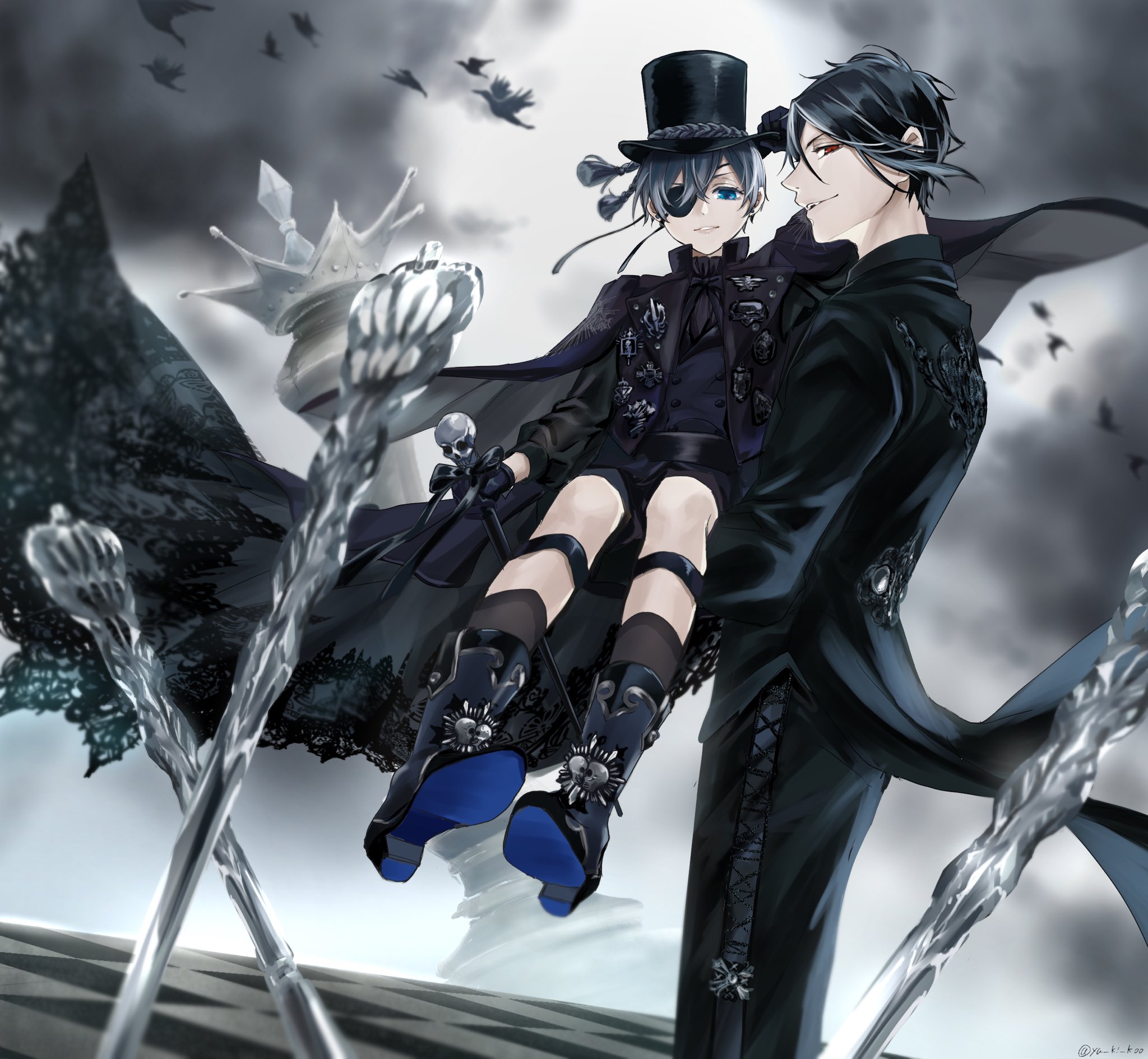
For years, fans of Yana Toboso’s masterfully gothic manga have whispered about the day the Emerald Witch Arc would receive the anime treatment it deserves. That day has now been confirmed, and the implications are staggering — not just for the trajectory of Black Butler as a franchise, but for the kind of storytelling that mainstream anime is willing to embrace. This isn’t another ballroom mystery or London back-alley caper. This is Ciel Phantomhive and Sebastian Michaelis plunging into the cursed heart of a German forest, surrounded by werewolves, chemical warfare, and one of the most morally complex child characters Toboso has ever written. The Emerald Witch Arc represents a tonal shift into outright horror and geopolitical darkness — and under CloverWorks’ meticulous hand, it has the potential to be the definitive chapter of the Black Butler anime renaissance.
Into the Wolfsschlucht: Setting the Stage for Gothic Horror
The Emerald Witch Arc — sometimes referred to as the Green Witch Arc — transports our protagonists far from the fog-choked streets of Victorian London to the dense, suffocating woodlands of rural Germany. Queen Victoria dispatches Ciel to investigate a mysterious village plagued by reports of werewolf attacks, a settlement so isolated and paranoid that its inhabitants live in perpetual fear of the surrounding forest. The premise alone is a masterclass in atmospheric storytelling: a cursed village, an impenetrable forest, and a young “witch” who holds the key to everything.
What makes this arc so compelling from a narrative architecture standpoint is how Toboso weaponizes setting. The Wolfsschlucht — the “Wolf’s Ravine” — isn’t merely a backdrop; it’s a character unto itself, a claustrophobic cage that traps everyone within its borders, including the seemingly omnipotent Sebastian. The shift from urban gothic to folk horror is deliberate and devastating. Think less Sherlock Holmes, more The VVitch meets Brothers Grimm filtered through a nineteenth-century imperial lens. For an anime landscape increasingly saturated with isekai forests and generic fantasy woodlands, Black Butler‘s approach to its arboreal nightmare feels refreshingly, terrifyingly grounded in real historical dread.
Sieglinde Sullivan: The Girl Who Rewrites the Arc’s Moral Calculus
A Child Prodigy Caged by Her Own Genius
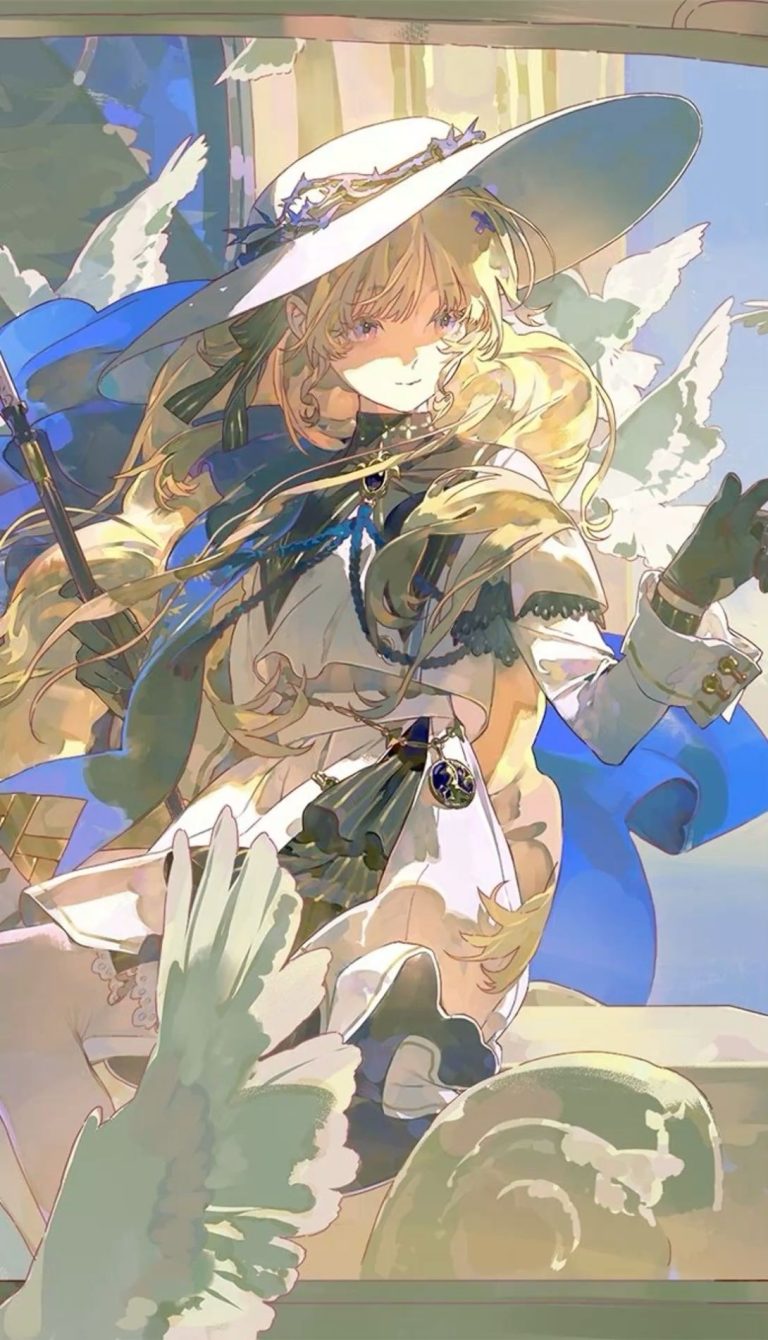
At the center of this arc stands Sieglinde Sullivan, the so-called “Emerald Witch” — a child prodigy and alchemical genius who has never once left her village. She is revered as a near-divine figure by the villagers, tasked with developing a miracle cure derived from the forest’s flora. But beneath the veneer of pastoral reverence lies something far more sinister: Sieglinde is, in every meaningful sense, a prisoner. Her brilliance has been co-opted, her worldview carefully constructed by those who control her, and her very identity is built on a foundation of lies.
What makes Sieglinde such a resonant character — and why manga readers have been clamoring for her animated debut — is how she mirrors and contrasts Ciel Phantomhive himself. Both are children robbed of agency by adults who see them as instruments. Both possess an almost frightening intelligence that masks deep vulnerability. But where Ciel has chosen to wield his trauma as a weapon, entering a Faustian contract with full awareness of its cost, Sieglinde doesn’t even know the walls of her cage exist. Their eventual interaction becomes one of the most psychologically rich dynamics in the entire series — a boy who sold his soul meeting a girl who doesn’t yet realize hers has been stolen.
The Horror of Instrumentalized Innocence
Toboso has never shied away from depicting the exploitation of children, but the Emerald Witch Arc approaches this theme with a specificity that cuts deeper than previous storylines. Sieglinde’s situation isn’t metaphorical — it’s a direct commentary on how imperial powers throughout history have weaponized scientific minds, particularly those too young or too isolated to understand the applications of their work. Without venturing into spoiler territory for anime-only viewers, the revelation of what Sieglinde has actually been creating in that forest is one of the manga’s most gut-wrenching moments, tying directly into the real horrors of nineteenth and early twentieth-century chemical warfare research. It’s the kind of narrative gut-punch that elevates Black Butler from stylish supernatural thriller to genuine literary horror.
CloverWorks and the Art of Animated Darkness
The Public School Arc already demonstrated that CloverWorks understands Black Butler on an almost cellular level. The studio’s commitment to Toboso’s aesthetic — the obsessive period detail, the interplay of shadow and candlelight, the way violence erupts with balletic precision — elevated what could have been a competent adaptation into something genuinely artful. But the Emerald Witch Arc demands something different, something wilder.
This arc requires CloverWorks to shift from the controlled elegance of English boarding schools and London drawing rooms to the primal, organic terror of the German wilderness. The visual language needs to change: stone corridors become gnarled roots, gaslight becomes moonlight, and the enemies aren’t cunning aristocrats but hulking, monstrous shapes crashing through the underbrush. The werewolf sequences in the manga are among Toboso’s most kinetic and terrifying compositions, and translating that feral energy to animation will be a true test of the studio’s action choreography capabilities.
There’s also the matter of tone. CloverWorks has proven adept at gothic beauty, but this arc requires dread — the slow, creeping kind that settles into your bones before the violence even begins. The village scenes need to feel wrong from the first frame, the hospitality of the villagers tinged with an uncanny quality that keeps viewers perpetually off-balance. If the studio’s work on atmospheric projects like Spy x Family and The Promised Neverland (Season 1, specifically) is any indication, they have the directorial vocabulary to pull this off. The question is whether they’ll be given the episode count and production schedule to do it justice.
Sebastian Michaelis: A Demon Out of His Element
One of the arc’s most underappreciated qualities is how it repositions Sebastian within the narrative hierarchy. In London, Sebastian is essentially invincible — a demon butler operating in a human playground where his supernatural abilities render most threats trivial. The Emerald Witch Arc subtly destabilizes this dynamic. The forest is not Sebastian’s domain. The threats here are not merely physical but ideological and systemic, woven into military infrastructure and geopolitical machinations that even a demon cannot simply punch through.
More importantly, this arc forces Sebastian into the role of observer during some of its most critical emotional beats. Ciel’s confrontation with the truth of Sieglinde’s situation, and the moral choice that follows, is fundamentally a human moment — one that Sebastian watches with the detached fascination of a predator studying prey he doesn’t yet fully understand. Their contract is built on Ciel’s rage and desire for revenge, but this arc introduces something murkier: compassion, or at least its ghost. Watching Sebastian navigate a master who might be developing inconvenient emotions is one of the arc’s most delicious subtextual threads.
What This Arc Means for the Future of Black Butler
The Emerald Witch Arc is not just another season of Black Butler — it’s a narrative fulcrum. The events in that German forest have cascading consequences that reshape the series’ power dynamics, introduce characters who become central to later storylines, and deepen the mythology surrounding the Phantomhive legacy in ways that manga readers know are essential to understanding what comes next. For the anime to continue its faithful adaptation trajectory, this arc must land with full force.
The community response to the announcement has been electric, with manga readers expressing a mixture of euphoria and protective anxiety — the classic fandom duality of wanting their favorite arc animated while fearing it might be rushed or sanitized. Early indications suggest CloverWorks is fully committed to preserving the arc’s darkness, but only time and trailers will tell.
One thing is certain: the forest is waiting, the wolves are howling, and Ciel Phantomhive is about to walk into the most dangerous mission of his career. Whether you’re a longtime manga devotee or an anime-only viewer who fell in love with the Public School Arc, the Emerald Witch Arc promises to be the darkest, most emotionally devastating chapter of Black Butler yet. Stay locked to Wibux.com for full coverage, trailer breakdowns, and episode-by-episode analysis as this cursed story unfolds.