

When the unmistakable mechanical roar of a mobile suit echoes across a mud-drenched battlefield in Eastern Europe, anime fans immediately recognize the stakes. But nothing in the franchise’s four-decade history could have prepared viewers for the visceral shock delivered by Gundam: Requiem for Vengeance. Produced in groundbreaking collaboration between Bandai Namco Filmworks (Sunrise) and the cutting-edge animation team at SAFEHOUSE Inc., this six-episode Netflix spectacle boldly strips away glossy anime tropes to drop audiences directly into the terrifying mud, fire, and dread of the One Year War. Powered entirely by Epic Games’ Unreal Engine 5, director Erasmus Brosdau has engineered not just another mecha entry, but a paradigm-shifting war drama that turns the legendary White Devil into a genuine horror villain.
The Nightmare of the European Front: Zeon’s Desperate Survival
Set during the critical late stages of Universal Century 0079, Requiem for Vengeance shifts its narrative perspective to the cockpit of the Principality of Zeon. Viewers follow Captain Iria Solari, a seasoned musician-turned-pilot leading the Red Wolves mobile suit squadron. Stationed on the grueling Romanian front, Solari and her comrades—including mechanic Alfie Zydos and tank commander Ander Heaton—are desperately clinging to Zeon-occupied territory as Earth Federation forces mount a relentless counter-offensive.
Unlike traditional anime adaptations that glorify grand beam-rifle duels in open space, Brosdau treats mobile suit warfare with gritty realism. When a Federation gun barrel fires or a Zaku II’s mono-eye hums through heavy fog, the sheer weight of mechanized military power reverberates through the screen. For long-time fans who recently enjoyed dark, high-octane productions like Chainsaw Man: The Movie Reze Arc, the uncompromising intensity of Solari’s struggle delivers the same gut-wrenching emotional tension.
The White Devil Reimagined as an Unstoppable Monster
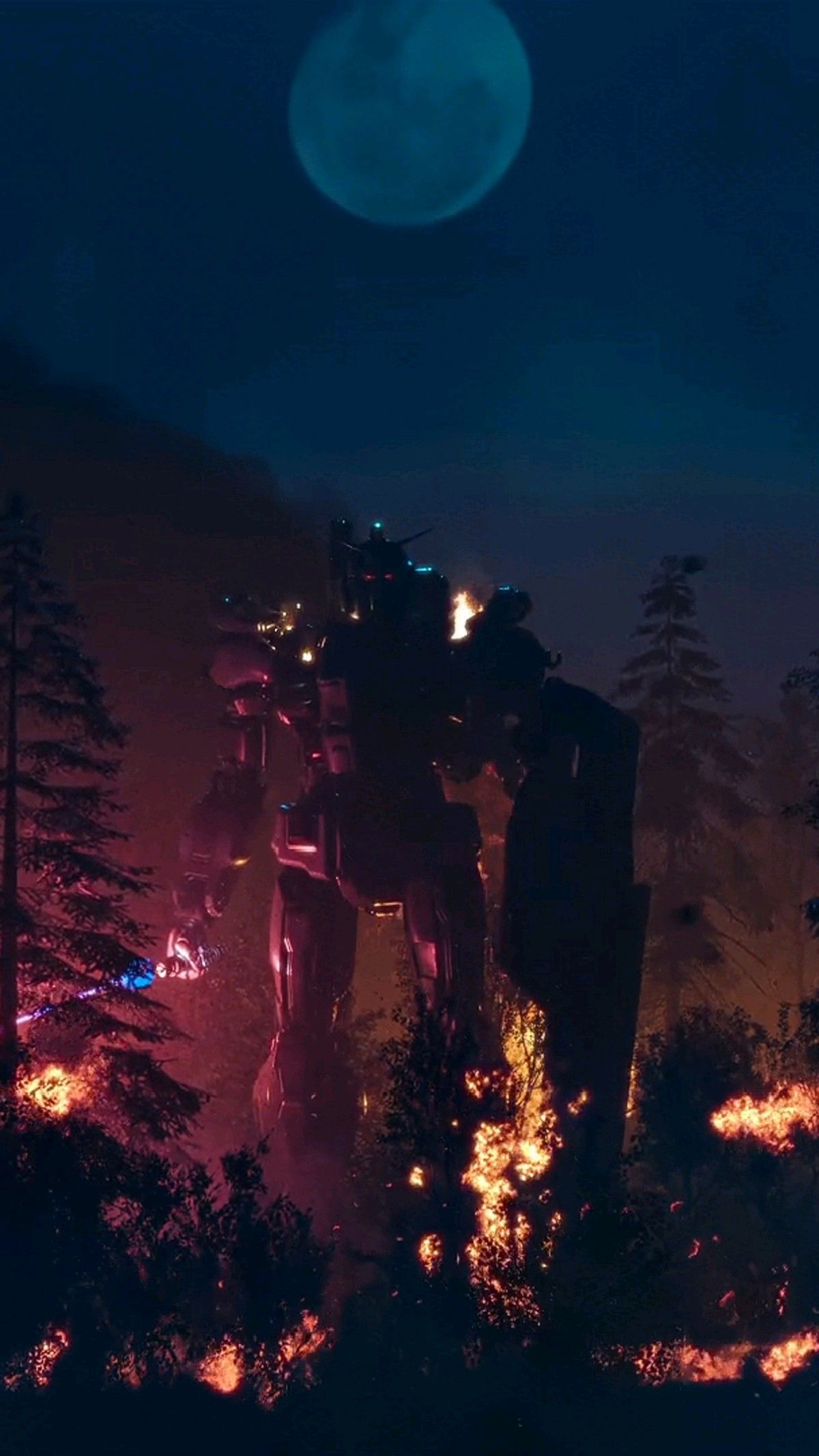
The defining triumph of Requiem for Vengeance lies in its psychological reframing of the Earth Federation’s mobile suit. Historically, fans experience the iconic RX-78 as a heroic beacon of hope steered by young pilots. In Requiem for Vengeance, however, the appearance of the Federation’s prototype Gundam EX (designated RX-78[G]E) is framed with pure cinematic terror.
Rising through smoke and burning wreckage, the Gundam is silent, unyielding, and terrifyingly fast. For Zeon pilots in their workhorse MS-06F Zaku II units, every second spent facing the Gundam EX is a desperate game of survival. Watching standard ballistic ammunition ricochet harmlessly off its Luna Titanium alloy armor transforms the battlefield into a horror escape room. Screenwriter Gavin Hignight masterfully captures the sheer dread that ordinary frontline soldiers felt when facing the Federation’s mythical “White Devil”—a narrative depth reminiscent of intense conflict dynamics seen in recent shonen spectacles like Fire Force Season 3.
Unreal Engine 5 and the Future of Mecha Animation
Beyond its storytelling bravura, Requiem for Vengeance represents a technological watershed for Japanese entertainment. By utilizing Unreal Engine 5’s Nanite virtualized geometry and Lumen dynamic global illumination, SAFEHOUSE Inc. achieved photorealistic environmental destruction and atmospheric volumetric lighting that standard hand-drawn or hybrid CG productions could never duplicate.
Every scratch on the Zaku armor plates, every streak of hydraulic oil, and every heat distortion ripple generated by rocket verniers feels tangibly physical. This leap in technological ambition mirrors the high-end visual breakthroughs seen in modern gaming marvels like Monster Hunter Wilds, demonstrating that digital production engines are permanently blurring the boundaries between high-end AAA games and premier theatrical anime.
A Tragic Climax That Questions the Cost of War
At its core, director Erasmus Brosdau and Sunrise do not shy away from Yoshiyuki Tomino’s original anti-war philosophy. As Captain Iria Solari fights tooth and nail to escort injured comrades and civilian refugees to safe extraction, the line between hero and villain disintegrates entirely. The brutal casualties suffered on both sides reinforce the tragedy that has defined the Universal Century for over four decades.
What Do You Think?
Did Gundam: Requiem for Vengeance successfully capture the terrifying reality of mecha warfare, or do you prefer the classic hand-drawn 2D aesthetic of early Universal Century classics? How do you feel about viewing the legendary Gundam through the eyes of terrified Zeon pilots? Drop your thoughts, favorite battle sequences, and theories down in the comments below!