
Seven years. That is how long fans waited for Hollow Knight: Silksong — and when Team Cherry finally dropped it on September 4, 2026, the internet literally broke. Steam crashed. The Nintendo eShop buckled. The PlayStation Store slowed to a crawl. Within hours, Hornet’s long-awaited adventure became the biggest indie game launch in history, and the memes have not stopped since.
If you were anywhere near gaming Twitter, Reddit, or Discord that day, you already know: Silksong did not just launch, it detonated. But how did a tiny three-person team from Adelaide, Australia pull off what billion-dollar studios dream of? Let us break down the chaos, the numbers, and why everyone is still talking about it a week later.
The Launch That Broke the Internet
When Silksong went live, Steam recorded a massive concurrent player spike that overwhelmed its storefront servers — users reported error messages, failed checkouts, and stuck downloads for nearly an hour. The Nintendo eShop fared no better, with Switch and Switch 2 owners flooding the store the second the game appeared. Even Xbox Game Pass, where Silksong launched day one, saw download queues stretch into the evening.
Team Cherry co-creators Ari Gibson and William Pellen had warned fans the game was coming “very soon” after the surprise August 2026 release-date trailer, but nobody — not even Valve, apparently — expected demand on this scale. For context, the original Hollow Knight sold over 15 million copies over eight years largely through word of mouth. Silksong matched a huge chunk of that in a single weekend.
Why Hornet’s Adventure Hits Different
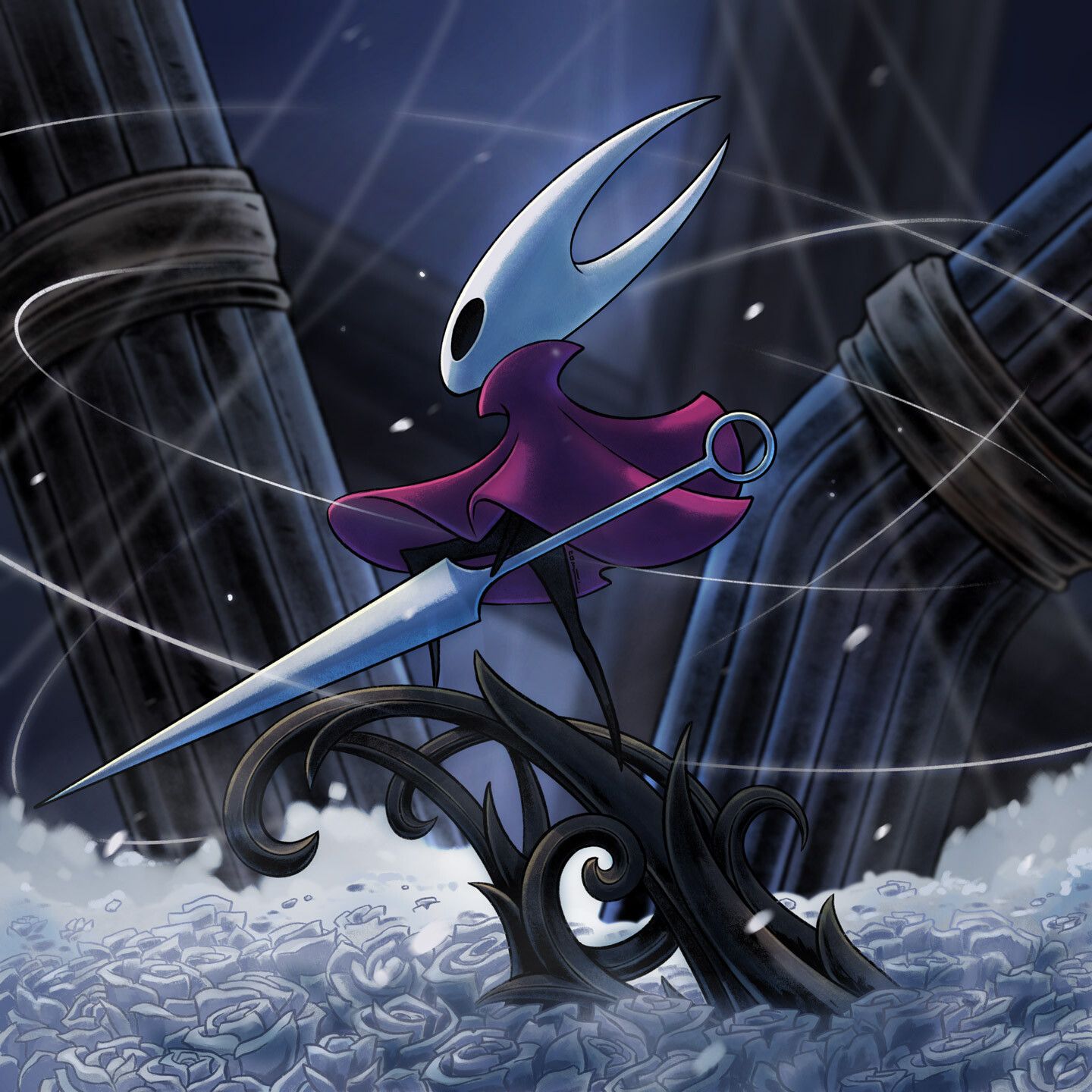
This is not just Hollow Knight with a new coat of paint. You play as Hornet, princess-protector of Hallownest, spirited away to the haunted kingdom of Pharloom — a brand-new world of silk, song, and very sharp things trying to kill you. The moveset is completely reworked: Hornet is faster, more acrobatic, and far more aggressive than the Knight ever was, with a needle-and-thread combat system that rewards relentless offense.
Early reviews have been glowing. Critics praise Pharloom as denser and more vertical than Hallownest, the boss design as Team Cherry’s best work yet, and the hand-drawn art as some of the most beautiful ever put in a 2D game. The soundtrack by Christopher Larkin — returning from the original — is already being called a Game of the Year contender on its own, with tracks fans are looping on YouTube and Spotify around the clock.
The $20 Price Tag That Shocked Everyone
Here is the part that turned a big launch into a genuine cultural moment: Team Cherry priced Silksong at just $20. In an era of $70 AAA releases and deluxe editions stuffed with microtransactions, a tiny indie studio delivered one of the biggest games of the decade for less than the price of a pizza night — and launched it on Game Pass to boot.
Social media exploded with praise. Streamers like moistcr1tikal, Asmongold, and Ironmouse pulled record viewership playing it live. Speedrunners were routing bosses within 48 hours. Fan artists flooded timelines with Hornet art. Even developers at major studios publicly saluted Team Cherry, with several AAA devs joking they were “taking the week off” because nothing could compete with Silksong’s shadow.
The Meme Storm: Silkposters Rise Again
No Silksong story is complete without the legendary r/Silksong community — the subreddit that spent years turning every Nintendo Direct, every Steam sale, every random tweet into “Silksong tomorrow?” copium. After the announcement, the subreddit transformed overnight from a temple of despair into the loudest victory party on the internet, with memes celebrating the end of the clown era.
The “Silkposters” who waited through delay after delay, fake leaks, and years of silence finally got their reward — and their celebration posts, some years in the making, went massively viral across Reddit, TikTok, and X. It is one of the greatest long-game payoffs in gaming history, and honestly, the community’s journey might be as memorable as the game itself.
What This Means for Indie Games
Silksong’s success sends a loud message to the entire industry: players will wait for quality, and they will reward it enormously. No live service. No battle pass. No crunch-fueled annual sequel. Just three developers, seven years of craft, and a finished game that respects your time and your wallet.
With the game now dominating Steam charts, topping eShop downloads, and leading Game of the Year conversations months before awards season, the question is no longer whether Silksong was worth the wait — it is whether anything else releasing in 2026, from Grand Theft Auto VI to Saros, can steal its crown. Spoiler: it will take something extraordinary.
Internal reading: check out our coverage of Ghost of Yotei launching October 2, Sega’s Super Monkey Ball Triple Pack announcement, and the court ruling against AI cloning of Genshin Impact designs for more of this season’s biggest gaming stories.
What Do You Think?
Did Silksong live up to the seven-year hype for you, or did the wait set the bar impossibly high? Who is your favorite Pharloom boss so far — and how many times did Hornet’s needle send you back to the bench? Drop your hottest take in the comments and let the Silkposters know you survived the clown era!
One thought on “Silksong Broke Steam, the eShop, and the Internet — And It Was Worth Every Second of the 7-Year Wait”