



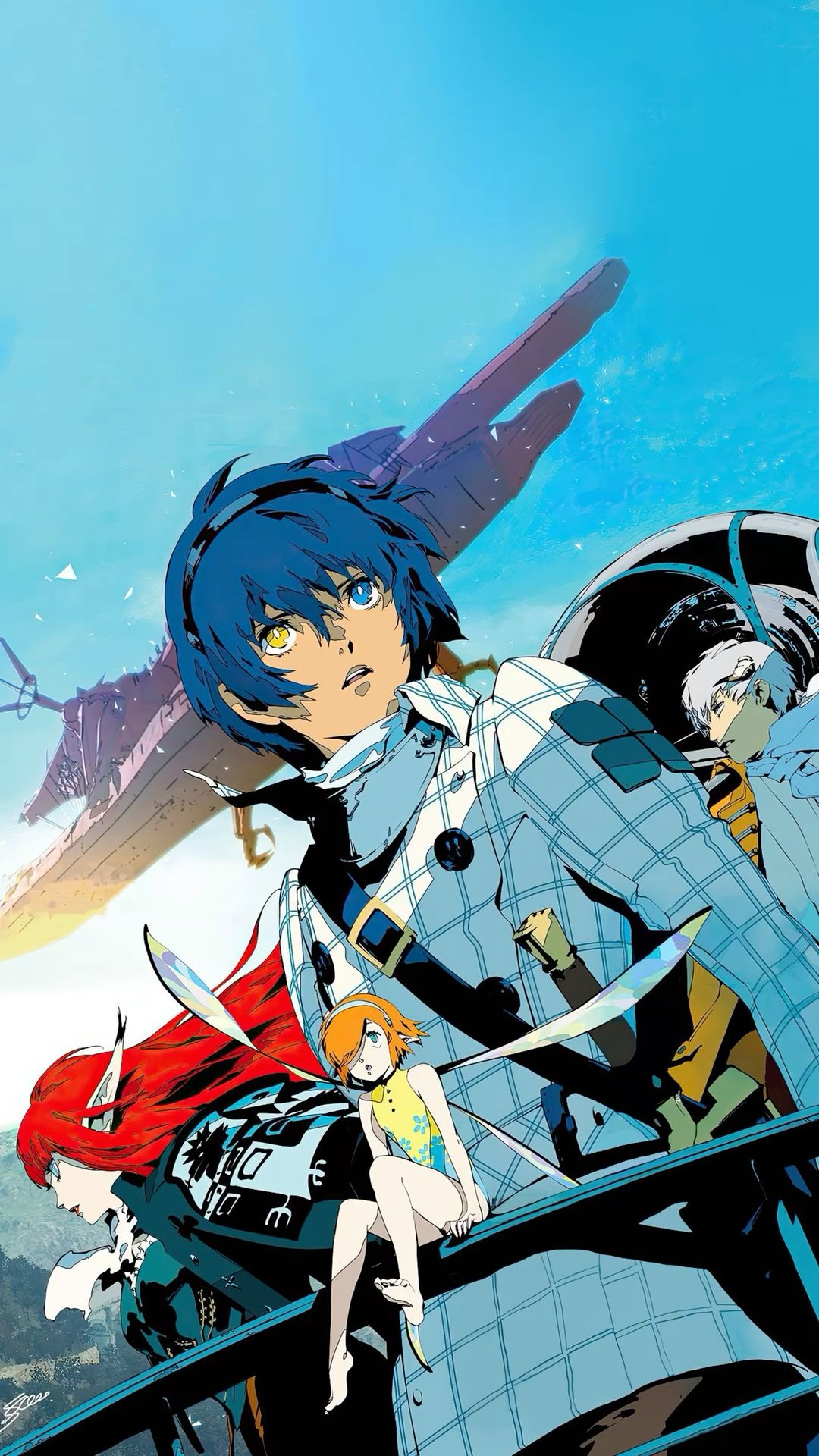
When game director Katsura Hashino, character designer Shigenori Soejima, and legendary composer Shoji Meguro stepped away from the colossal shadow of Persona to forge Studio Zero, skeptics wondered if lightning could strike twice. The resounding answer arrived with explosive momentum: Metaphor: ReFantazio surpassed one million units sold within its first twenty-four hours, obliterating previous Atlus records and claiming universal acclaim as the undisputed JRPG benchmark of modern gaming. But what makes this ambitious royal tournament so irresistible that RPG enthusiasts and newcomers alike are calling it an instant classic?
The Creative Masterminds Behind Studio Zero’s Vision
For more than two decades, the trio of Hashino, Soejima, and Meguro defined the visual and musical grammar of stylish Japanese role-playing games through Persona 3, Persona 4, and Persona 5. When Atlus greenlit Project Re Fantasy nearly eight years ago, expectations were sky-high. Hashino envisioned a high-fantasy universe grounded in real-world sociopolitical anxieties rather than traditional escapist tropes.
Set in the fractured United Kingdom of Euchronia, the story ignites when the reigning king is brutally assassinated, triggering ancient Royal Magic that announces a radical democratic tournament: whoever garners the genuine trust and support of the populace by the Day of the Hero shall claim the crown. Players step into the boots of Will, a shunned Elda tribe youth accompanied by the fairy companion Gallica, embarking on an epic gauntlet across perilous provinces aboard their towering Gauntlet Runner.
Revolutionary Archetype System and Dynamic Turn-Based Combat
Where Metaphor: ReFantazio truly elevates the genre is its daring synthesis of real-time action and surgical turn-based tactical depth. Unlike standard RPGs where encountering low-level grunts turns into an agonizing loop of transition screens, Hashino’s team implemented the Fast & Squad mechanic. Weaker adversaries can be struck down directly in the overworld with dynamic hack-and-slash swings, preserving adrenaline and momentum across vast labyrinthine dungeons.
When squaring off against formidable threats or colossal Human monstrosities designed in homage to the surreal paintings of Hieronymus Bosch, the battle shifts seamlessly into the Squad command phase. Here, the Archetype system flourishes. From the stoic warrior Leon and the fiery noblewoman Hulkenberg to the cynical bat-winged merchant Heismay and the charismatic brawler Strohl, each party member channels mythical heroic lineages through distinct Archetypes—ranging from Seeker, Knight, and Mage to specialized Commander and Trickster evolutions. Combining Synthesis attacks expends multiple turn icons to unleash cinematic, screen-clearing cooperative abilities, making every encounter an exhilarating tactical puzzle.
A Sonic and Visual Tour de Force
Visually, Shigenori Soejima delivers an aesthetic masterclass that blends medieval heraldry, high fashion, and surrealist pop-art UI transitions that surpass even the legendary menus of Persona 5. Every interaction pulses with personality, from the ink-splattered battle outcome screens to the intricate typography detailing local kingdom bounties.
Complementing this visual grandeur is Shoji Meguro’s most audacious musical score to date. Moving away from the acid jazz and city pop rhythms of his previous works, Meguro embraced monastic chants, thunderous orchestral percussion, and avant-garde choral arrangements performed by Buddhist monk choirs. The heart-pounding combat themes infuse every boss skirmish with religious gravity and relentless momentum, elevating tense turn-based confrontations into operatic duels for destiny.
Exploring the Broader JRPG Renaissance
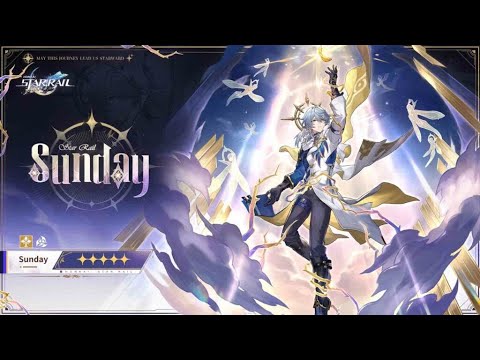
Metaphor’s triumphant debut comes at a time when Japanese gaming is experiencing an unprecedented golden era across global platforms. Fans diving into grand turn-based mechanics will find a similar standard of tactical brilliance in our breakdown of Honkai: Star Rail Sunday Playable Kit and the shifting Harmony meta. Meanwhile, for gamers celebrating the resurgence of legendary Japanese franchises, the fighting game community is equally electrified by the mechanics showcased in Fatal Fury: City of the Wolves and SNK’s REV System. As Japanese pop culture continues to shatter global boundaries—a phenomenon mirrored on the music charts as seen in our feature on Ado’s World Tour ‘Hibana’ redefining live supremacy—Metaphor: ReFantazio stands as a crowning testament to artistic ambition.
What Do You Think?
Has Metaphor: ReFantazio managed to dethrone Persona 5 Royal as your personal favorite Atlus masterpiece, or do you still prefer the modern Tokyo high school setting? Which Archetype combination and party setup are you finding most overpowered in the late-game dungeons? Drop your thoughts, strategies, and boss battle reactions in the comments below!




One thought on “Metaphor: ReFantazio Smashes Sales Records — Why Atlus’s Fantasy Masterpiece Is Crowned the JRPG of the Generation”