



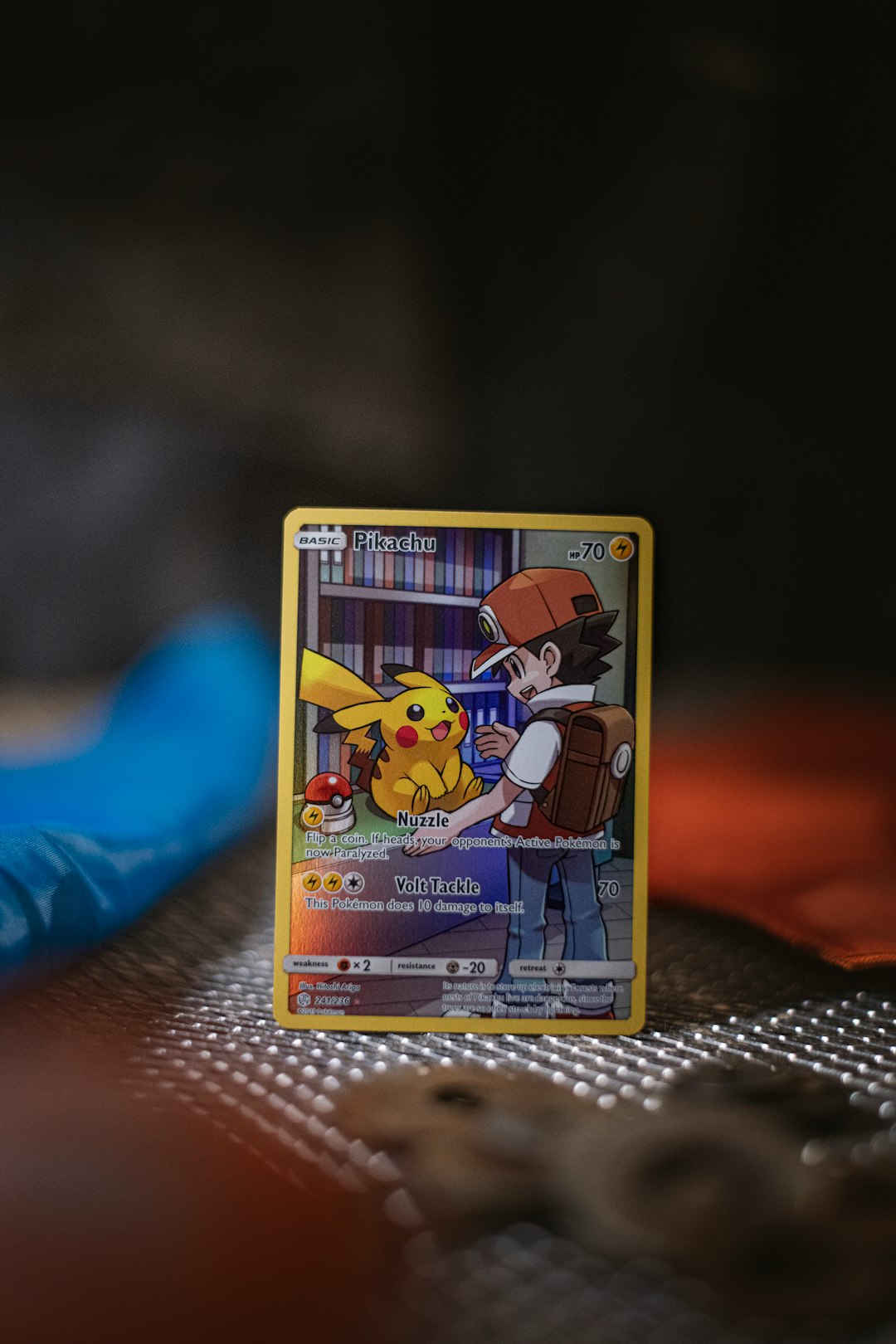
Pokémon’s official social media accounts did something very un-Pokémon-like over the weekend: they started shilling a cryptocurrency. Fans who opened Twitter, Instagram, and even the official channels over the past few days were greeted by odd posts promoting a so-called “Pokémon memecoin” — and within hours, the entire fandom was in a frenzy asking the same question: is this real, and who posted it?
It turns out the accounts were hacked. What followed is a wild ride through crypto scams, panicked fans, and a closer look at just how dangerous the modern “social media jacking” trend has become — even for the biggest franchises on the planet. Here’s everything we know so far.
What Actually Happened?
On the night of the incident, fans scrolling through Pokémon’s official accounts noticed several posts that looked completely out of place. Instead of the usual character reveals, merchandise drops, or tournament announcements, the accounts were pushing a newly minted memecoin — complete with a token address, links to trading platforms, and hashtags designed to pump the coin’s visibility.
The posts appeared across multiple platforms simultaneously, a classic sign of a coordinated takeover rather than a rogue employee post. Within minutes, early-alert accounts on X (formerly Twitter) and Reddit started screenshotting everything, and the screenshots spread faster than a Pikachu down a conveyor belt.
The Memecoin Trap
Here’s where it gets dangerous. Hackers who take over high-profile accounts almost never do it just for the clout — they do it for the money. By posting a token address attached to a fake “official Pokémon coin,” the attackers were hoping fans would rush to buy the token before it inevitably rug-pulled (collapsed in value once the creators cashed out).
It’s a classic pump-and-dump scheme, but with a coat of Poké-Paint on it. The meme coin ecosystem is notoriously volatile, and when a massive brand account gets hijacked to shill one, thousands of unsuspecting fans can get burned in a matter of minutes.
Red Flags Fans Should Watch For
- Unusual tone: Official Pokémon accounts never drop unsolicited crypto links.
- Rushed language: Scam posts use urgency to stop you from fact-checking.
- Token addresses: Legitimate brands don’t ask you to buy tokens on third-party sites.
- Multiple platforms at once: Genuine announcements vary by platform.
How Pokémon Responded
It didn’t take long for the official team to notice. Pokémon’s handlers moved quickly to regain control of the accounts, delete the bogus posts, and issue a statement warning fans not to click any suspicious links or buy any unauthorized tokens. The company emphasized that it has no official cryptocurrency and that any crypto claiming to be Pokémon-branded is a scam.
Still, the damage was already done — the memecoin posts had racked up millions of impressions before they were pulled. In the chaotic world of crypto, that’s more than enough time for the damage to spread.
Why This Keeps Happening to Big Brands
Pokémon isn’t the first brand to be hit, and it won’t be the last. Dozens of major accounts — from celebrities to corporations — have fallen victim to social media hijacking in recent years. The Makings are usually the same: phishing emails, leaked passwords, a compromised third-party app, or an employee who clicked the wrong link.
For a franchise as massive as Pokémon, the stakes are incredibly high. A single compromised post can reach tens of millions of people in the first hour, making it an irresistible target for scammers who care far more about their crypto wallet balance than about showing respect to their favorite Pokémon.
What Fans Are Saying
Predictably, the internet had a field day. Memes flooded the timeline — people joked about “Gotta Shill ’Em All,” photoshopped Team Rocket mascots into stock-market memes, and debated which Pokémon the memecoin’s creators would be sent to digital jail with. Others took the opportunity to warn fellow fans about the dangers of touching crypto tokens promoted through hacked accounts.
Some fans even turned the incident into a teaching moment, pointing out that no legitimate Pokémon product has ever involved cryptocurrency — and that if it ever did, the company would announce it through official press releases, not a single shady tweet.
The Bigger Picture: Trust Is the Target
At its core, the Pokémon memecoin hack was an attack on trust. Fans trust the Pokémon brand, and that trust is a superpower — it’s why the franchise has survived decades and become a cultural titan. Hackers know this, and they exploit it to turn that goodwill into cold, hard cash.
The good news? Events like this usually end up rallying the fandom together. Fans look out for each other, flag scams, report suspicious posts, and spam warnings to keep newcomers safe. Crypto scams aim to divide and conquer, but the Pokémon community’s instinct is to protect its own.
How to Stay Safe
If you see a “too good to be true” post from any brand account — Pokémon or otherwise — take a breath and pause before doing anything. Never click links in unexpected posts, never connect a crypto wallet to a random site, and never send money to a token just because it has a recognizable logo.
Legitimate news spreads through official channels, press releases, and reputable outlets. When it comes to your money, always err on the side of skepticism. It’s the same lesson we keep learning in the age of viral content: if something looks scammy, it probably is.
What Comes Next?
As of now, Pokémon has reclaimed its accounts and cleared the fraudulent posts, but the investigation is ongoing. Expect more details to emerge about how the attackers gained access — and expect brands everywhere to tighten their security in response.
For fans, this is a fascinating glimpse into the modern dark side of internet fame. The same platforms that let us celebrate our favorite franchises are the ones where scammers lurk, waiting for a moment of vulnerability. The best defense? Awareness, community, and a healthy dose of skepticism for anything involving the word “coin.”
So tell us in the comments: have you ever fallen for — or narrowly dodged — a crypto scam on social media? And more importantly, which Pokémon do you think would make the best watchdog to guard the brand’s official accounts from future hackers? 🐾
Enjoyed this? Check out our coverage of more viral pop-culture moments, from Burger King dropping Dragon Ball Super figures in the U.S. to the JoJo’s Steel Ball Run returning to Netflix, and why franchises everywhere are cashing in on the crossover craze.







2 thoughts on “Pokemon’s Social Media Was Hacked to Promote a Memecoin — and Fans Are Not Falling for It”