

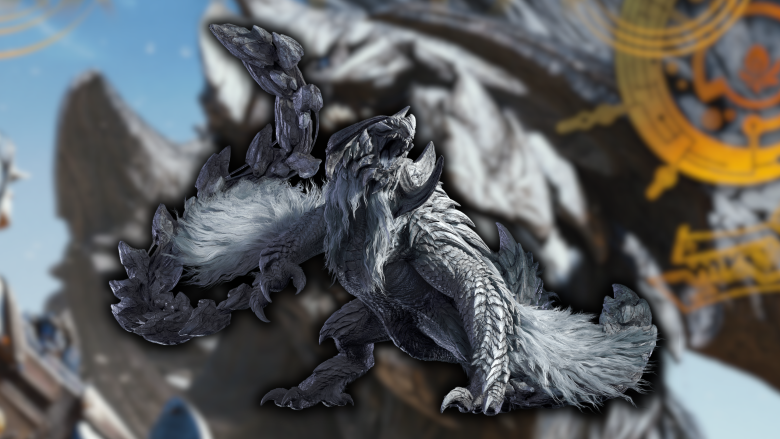
When Capcom dropped the curtain on the menacing silhouette of Arkveld, the “White Wraith,” the entire global gaming community collectively held its breath. How did a franchise already sitting on the ironclad throne of action RPGs manage to completely redefine the boundaries of dynamic ecosystems and relentless combat? Behind closed doors at Capcom headquarters in Osaka, series producer Ryozo Tsujimoto and visionary director Yuya Tokuda have crafted something far more ambitious than a conventional sequel—they have engineered a living, breathing nightmare that challenges every survival instinct hunters thought they had mastered.
The White Wraith: Who Is Arkveld and Why Is the Guild Terrified?
For months, speculative lore discussions dominated community forums, but the official debut of Arkveld shattered every preconceived notion. Classified as an enigmatic creature belonging to an extinct or long-forgotten lineage, Arkveld features distinctive, whip-like wing appendages capable of tearing through granite and sweeping entire squads of seasoned hunters off their feet in seconds.
According to executive director and art director Kaname Fujioka, Arkveld was designed to evoke equal parts awe and primordial dread. Unlike elder dragons whose powers manifest as elemental cataclysms, Arkveld displays an unnatural, almost predatory intelligence. Central to this dark emergence is Nata, the mysterious young boy rescued on the borders of the Forbidden Lands. Nata speaks of a white phantom that obliterated his isolated settlement, pulling the Hunter Guild directly into an uncharted expedition fraught with political intrigue and ecological devastation.
Living Ecosystems: How Yuya Tokuda Reimagined the Forbidden Lands
The innovation driving Monster Hunter Wilds runs far deeper than terrifying creature design. Under the direction of Yuya Tokuda, the game discards rigid mission structures and segmented arena transitions in favor of a seamless, hyper-reactive open wilderness:
- Dynamic Inclemency and Fallow Seasons: The Windward Plains oscillate between brutal droughts and violent lightning storms, dramatically altering apex monster hierarchies in real time.
- The Seikret Mount: Hunters are no longer grounded foot-soldiers; the feathered bipedal Seikret navigates treacherous cliffs and allows seamless weapon swapping mid-pursuit without ever retreating to camp.
- Expedition Personnel Synergy: Handlers like Alma and master smithy Gemma provide dynamic field intel and logistical support on the fly, bridging combat with immersive narrative depth.
- Seamless Co-op and SOS Flare Integration: Drop-in multiplayer allows four hunters or responsive AI Support Hunters to jump into battles instantaneously without interrupting active exploration.
This relentless focus on environmental depth mirrors the golden age of ambitious Japanese game development. Much like the industry praise seen when Metaphor: ReFantazio redefined modern JRPGs with record-breaking style, Capcom is demonstrating that high-concept mechanical depth and mainstream cinematic flair can exist in perfect harmony.
Focus Mode and Combat Evolution: Giving Hunters Absolute Precision
Longtime series enthusiasts were quick to scrutinize the introduction of “Focus Mode,” wondering whether precise aiming mechanics would disrupt the classic rhythm of heavy greatswords and nimble dual blades. In practice, producer Ryozo Tsujimoto delivered a masterclass in game balance.
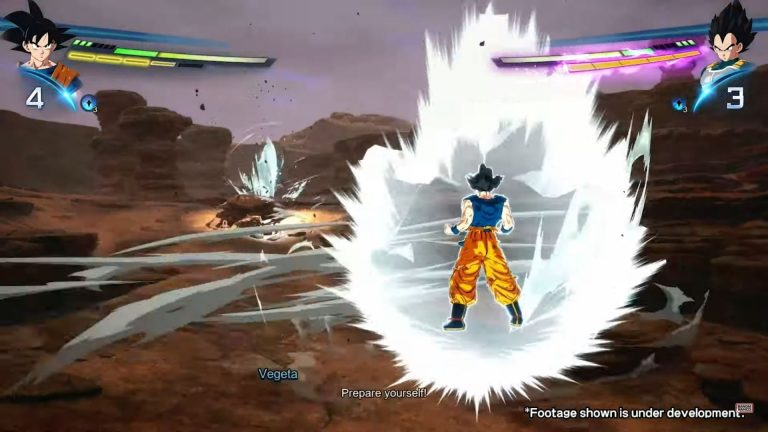
Focus Mode allows players to pinpoint wounds created on a monster’s hide, targeting exposed tendons and fractured scales for cinematic Focus Strikes. The result is a visceral dance of aggression and tactical repositioning. Just as modern fighting spectacles proved when Dragon Ball: Sparking! ZERO shattered sales records by honoring franchise roots, Monster Hunter Wilds respects the muscle memory of veterans while giving newcomers unprecedented freedom.
Why Capcom Is Positioned to Dominate the Global Action RPG Stage
Capcom’s multiplatform simultaneous release strategy across PlayStation 5, Xbox Series X|S, and Steam represents their largest single launch operation to date. Full crossplay integration breaks down platform walls, uniting millions of hunters across North America, Europe, and Asia into a unified hunting ground.
Early reception indicates that Arkveld is merely the vanguard of a broader mystery lying dormant within the Forbidden Lands. With seamless biome shifts, ferocious apex turf wars, and an emotional human narrative anchored by Nata and the Research Commission, Monster Hunter Wilds is primed to set the benchmark for this gaming generation.
What Do You Think?
Is Arkveld the most intimidating flagship monster Capcom has ever created, or does an iconic beast like Nergigante or Gore Magala still hold the crown? Which weapon are you taking into the Windward Plains first, and how do you feel about the Seikret mount’s weapon-swapping feature? Drop your thoughts, hunt strategies, and favorite theories in the comments below!