


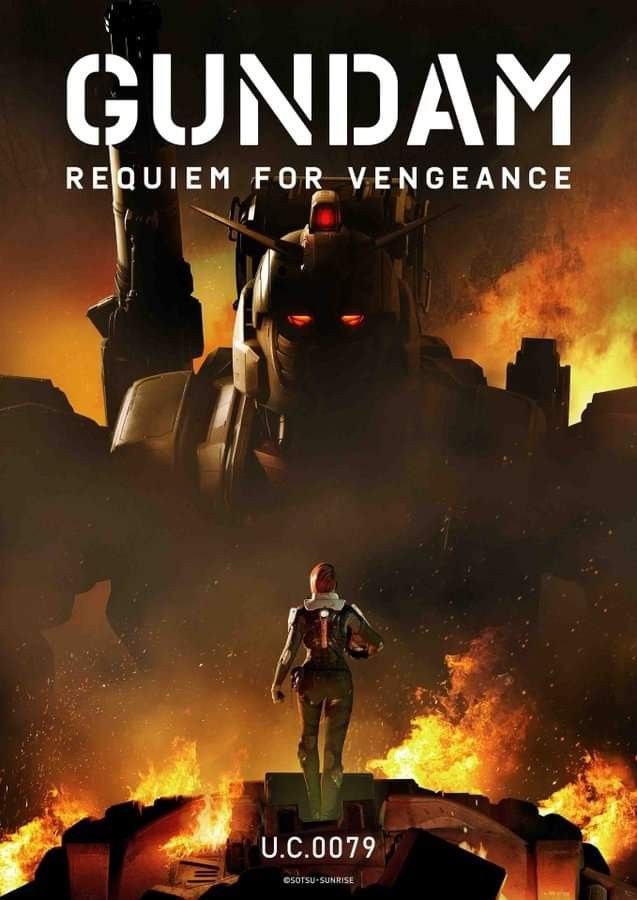
When the unmistakable mechanical hum of a mobile suit echoes across a burning battlefield, longtime anime enthusiasts instinctively anticipate the signature heroics of the Earth Federation. But what happens when the lens is flipped completely, transforming the legendary mobile suit into a relentless, terrifying harbinger of doom? The explosive arrival of Gundam: Requiem for Vengeance on Netflix is sending absolute shockwaves through the mecha community, shattering conventional expectations by offering an intensely gritty, ground-level perspective of the One Year War that fans have craved for decades.
A Harrowing New Perspective on the One Year War
Set during the brutal European front of Universal Century 0079—eleven months into the conflict—the narrative chronicles the desperate struggle of the Zeon Principality’s elite Red Wolves squadron. Directed by German filmmaker Erasmus Brosdau and penned by veteran Hollywood screenwriter Gavin Hignight, the series departs dramatically from the usual federation-centric optimism. Instead, viewers follow Captain Iria Solari, portrayed with visceral gravitas by actress Celia Massingham, as her squad faces complete operational collapse behind enemy lines.
Rather than glorifying heroic clashes, the story plunges viewers directly into the claustrophobic dread experienced by frontline infantry and standard Zaku II pilots. For decades, the franchise has treated the RX-78-2 as a beacon of justice and liberation. In Requiem for Vengeance, however, the federation’s new experimental mobile suit, the dreaded Gundam EX, appears strictly through the trembling reticles of Zeon grunts—not as a savior, but as a silent, unstoppable nightmare earned by the grim moniker: the White Devil.
Hyper-Realistic Warfare Powered by Unreal Engine 5
Visually, the collaboration between Bandai Namco Filmworks, Sunrise Studio, and computer-graphics powerhouse SAFEHOUSE Inc. represents a seismic leap forward in anime production. By rendering the entire six-episode series in Epic Games’ groundbreaking Unreal Engine 5, the creators have infused the Universal Century with breathtaking photorealism and palpable kinetic weight.
Every single blast of a 120mm machine gun carves deep gouges into ruined brick structures, while heat hawks ignite plumes of superheated ash and sparks. Mechanical designer Kimitoshi Yamane meticulously revamped the classic mobile suit aesthetics, equipping the federation’s Gundam EX and Zeon’s customized Zaku II Type F with worn steel armor plating, tactical cabling, and hydraulic pistons that react naturally to punishing combat stress. The visual storytelling rivals high-budget tactical war thrillers, seamlessly bridging the artistic boundary between Japanese mecha traditions and state-of-the-art cinematic gaming engines.
Why Captain Iria Solari and the Red Wolves Resonate So Deeply
What truly elevates Requiem for Vengeance beyond a standard technical showcase is its raw emotional heartbeat. Captain Iria Solari is not an emotionless soldier indoctrinated by imperial ideology; she is a grieving musician and mother driven by the singular desire to protect her comrades and return home. Alongside hardened squadmates like Kneeland LeSean and technical officers like Dr. Eleanor Hardy, Solari must navigate impossible odds against federation mechanized divisions.
This nuanced character study echoes the emotional resonance found in modern dark fantasy and gritty sci-fi epics. If you have been tracking the rise of gripping dark thrillers across modern anime, you might also appreciate our deep-dive analysis on Wind Breaker Season 2: Haruka Sakura and the Bofurin Guardians Defend Makochi, as well as the dark paranormal thrills explored in Dandadan dan Ledakan Science SARU: Sensasi Paranormal yang Merevolusi Generasi Baru.
Bridging Decades of Gundam Legacy for Global Audiences
The Universal Century has always stood as the monumental gold standard for complex military geopolitical intrigue in Japanese animation. Yet, for newer international audiences intimidated by forty years of convoluted lore, Requiem for Vengeance functions as a phenomenal, self-contained entry point. It strips away galactic politics and focuses relentlessly on boots-on-the-ground survival, tactical resource management, and the inescapable human tragedy of war.
With stellar sound engineering and an orchestral score composed by Wilbert Roget II (celebrated for his gripping soundtracks in Helldivers 2 and Call of Duty: WWII), every single skirmish carries heart-pounding stakes. When beam sabers slice through reactive armor, the shrieking resonance leaves viewers breathless in their seats.
What Do You Think?
Does flipping the classic script to make the iconic Gundam the terrifying villain revitalize your love for the Universal Century? How do you feel about the hyper-realistic Unreal Engine 5 aesthetic compared to classic hand-drawn mecha animation? Drop your thoughts, favorite mobile suit designs, and combat theories in the comments below!