


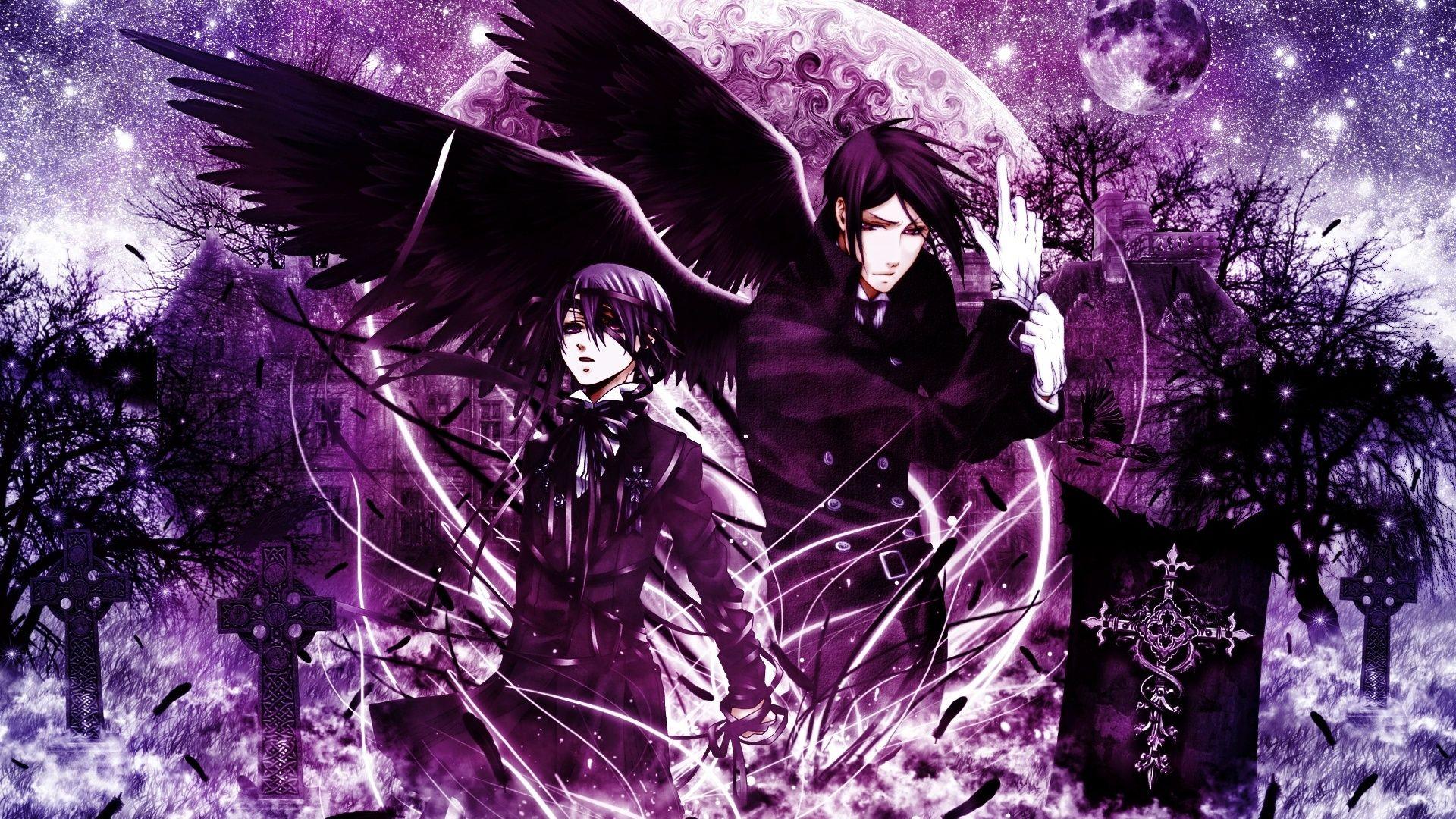
For over a decade and a half, Yana Toboso’s Black Butler (Kuroshitsuji) has reigned as an indomitable titan of gothic dark fantasy, walking a razor-thin line between high-society Victorian drama and visceral, occult dread. Following the resounding success of the Public School Arc, which revitalized the franchise under the lavish care of studio CloverWorks, the announcement anime purists have prayed for has finally arrived: the Emerald Witch Arc (Midori no Majo-hen) is officially locked in for production. This adaptation marks a monumental milestone for the series, dragging Ciel Phantomhive and his infernal butler Sebastian Michaelis away from the manicured lawns of English boarding schools and plunging them into the primordial, mist-choked horrors of Germany’s cursed woodlands. Far more than a simple investigative detour, this narrative pivot represents one of the most mechanically complex, emotionally devastating, and politically scathing chapters in Toboso’s sprawling canon.
Beyond the English Channel: The Cursed Glades of Wolfsschlucht
The Emerald Witch Arc immediately ruptures the bucolic aesthetic of the British aristocracy. Under orders from Queen Victoria—whose imperial directives grow increasingly morally dubious with every passing storyline—the Queen’s Watchdog is deployed to southern Germany. The destination is Wolfsschlucht (the Werewolves’ Ravine), an isolated hamlet entombed within a dense, suffocating expanse of old-growth forest. Here, local folklore whispers of ancient curses, vengeful spirits, and an impenetrable miasma that rots the flesh of any trespassing outsider.
What elevates this setting above standard gothic tropes is Toboso’s masterful weaponization of Germanic folklore. The narrative confronts Sebastian and Ciel not with the cultured, calculating scoundrels of London’s criminal underworld, but with the primal terror of lycanthropy and unvarnished superstition. Inhabitants of the forest believe themselves protected by the “Emerald Witch,” a mystical matriarch bound to a covenant that keeps the ravenous werewolves at bay. From the moment Sebastian’s polished dress shoes sink into the damp, rotting moss of the German forest, the environmental storytelling screams hostile isolation. For an Earl who relies entirely on statecraft, royal leverage, and urban manipulation, entering an environment governed by primeval laws strips Ciel of his greatest defensive armaments.
The Tragedy of Sieglinde Sullivan: Innocence Weaponized
At the beating heart of this arc sits one of Yana Toboso’s most universally acclaimed creations: Sieglinde Sullivan, the titular Emerald Witch. At first glance, Sullivan embodies the archetypal fairy-tale sorceress, complete with archaic vernacular, ornate ritualistic dress, and absolute dominion over her isolated domain. Yet beneath the supernatural facade lies a deeply tragic subversion that cuts straight to the thematic core of Black Butler.
The Architecture of Deception
Sieglinde is neither a monster nor a malevolent deity; she is a child prodigy whose staggering intellect has been ruthlessly exploited. Crippled by the grotesque historical practice of foot-binding—a condition orchestrated by her caretakers to ensure she remains physically immobilized and entirely dependent—Sieglinde believes her isolation is a sacred sacrifice necessary to preserve her village from the werewolf curse. Her fiercely loyal butler, Wolfram Gelz, acts as both her protector and her warden, harboring a deeply fractured conscience over the charade they inhabit.
When Ciel and Sebastian breach her sanctuary, the clash of cultures gives way to a devastating psychological awakening. The tragic genius of Sullivan lies in her utter ignorance of the outside world. Watching Ciel, an emotionally calcified child who chose to abandon his humanity, interact with Sieglinde, a brilliant child desperately manipulated into believing she is supernatural, creates a narrative resonance that few modern dark fantasy works can replicate. It forces the young Earl to confront a distorted mirror of his own stolen childhood.
Industrial Horror Meets the Supernatural: A Scathing Historical Critique
While the initial chapters drape themselves in the aesthetic of folk horror and lycanthropic sieges, long-time manga readers know that the true nightmare of the Emerald Witch Arc is chillingly terrestrial. Toboso pulls off an astonishing genre pivot halfway through the narrative, stripping away the veil of German witchcraft to reveal the grim, nascent birth of twentieth-century warfare. The suffocating “miasma” turning villagers to ash is no demonic hex; it is an early, horrifying prototype of weaponized chemical gas.
By framing the supernatural as an elaborate smokescreen concocted by military-industrial conspirators, the series delivers a blistering historical critique of military exploitation and scientific hubris. The werewolves haunting the periphery of the woods cease to be creatures of the moon and transform into horrifying symbols of state-sanctioned violence and psychological conditioning. In this arc, the real monsters do not possess fangs and claws; they wear lab coats, sign government defense contracts, and exploit disabled children to engineer weapons of mass destruction. For a Victorian narrative, this thematic shift feels bracingly modern, uncompromisingly grim, and profoundly resonant.
Fractured Minds and Demonic Patience: Ciel’s Deepest Abyss
For years, anime-only fans have watched Ciel Phantomhive navigate assassinations, cult rituals, and maritime disasters with an icy, preternatural composure. The Emerald Witch Arc violently shatters that composure. Exposed to the toxic fumes of the chemical compounds engineered within the forest, Ciel is thrust into a catatonic psychological spiral that represents the darkest point of his character development.
The subsequent chapters showcase Ciel completely unmoored by PTSD. Reduced to a whimpering, regressed state, he retreats entirely into the agonizing memories of his past trauma and ritualistic abuse at the hands of the demon-summoning cult. This psychological collapse shifts the series’ central dynamic onto its head:
What happens to a Faustian contract when the contractor’s soul goes blank?
Sebastian Michaelis’s response to Ciel’s breakdown is chilling in its sheer inhumanity. Bereft of emotional sentimentality, the demon butler does not offer comforting words or paternal warmth; he offers existential terror. Sebastian’s patience is transactional. A broken, compliant, fearful Ciel is worthless to him—a spoiled meal devoid of the bitter, defiant spice that made his vengeance worth savoring. The psychological standoff between an incapacitated master and a famished demon testing the literal clauses of their blood pact provides some of the most nerve-wracking dramatic tension in modern anime history.
CloverWorks’ Pedigree and the Path to the Grand Finale
The confirmation of the Emerald Witch Arc further solidifies CloverWorks as the definitive creative home for the franchise’s modern era. Following their meticulous adaptation of the Public School Arc, the production team has proven an innate understanding of Toboso’s visual grammar. Translating the dense, suffocating flora of Wolfsschlucht, the claustrophobic dread of the werewolf attacks, and the horrifying, hallucinatory visuals of Ciel’s psychological undoing requires an uncompromising artistic vision.
Furthermore, this adaptation marks the ultimate, undeniable validation for the canonical continuity of the franchise. By strictly adhering to the manga and refusing to soften the story’s jagged, grotesque edges, CloverWorks is methodically laying down the iron tracks that lead directly into the long-awaited Blue Cult Arc. The narrative threads severed by early anime-original divergences from 2010 have been definitively repaired; Black Butler is finally operating at the full, uncompromised height of its literary power.
The Verdict: An Essential Descent Into Darkness
The green light for the Emerald Witch Arc is a watershed moment for dark fantasy anime. By trading the polished salons of London for the fog-drenched terrors of the German wilderness, Yana Toboso created a masterpiece of historical horror that interrogates the price of scientific progress, the cruelty of human manipulation, and the fragile psychology of an abused child grasping for autonomy. With CloverWorks at the helm and the manga’s absolute darkest narrative turns dead ahead, fans should prepare themselves: the woods are calling, the miasma is rising, and not even Sebastian Michaelis may be able to shield his young master from the horrors waiting in the mist.
Are you prepared to enter the cursed forest of Wolfsschlucht? How do you think CloverWorks will handle Ciel’s most harrowing psychological trial yet? Share your theories in the comments below, and stay tuned to Wibux.com for all your anime breakdowns and industry updates!