

When Studio Pierrot first announced that Bleach: Thousand-Year Blood War would return as a multi-cour prestige production, veteran fans dared not imagine animation quality this relentlessly cinematic. Yet as Part 3 — officially subtitled The Conflict — enters the fray, the supernatural battleground has reached a catastrophic breaking point. Soul Society lies battered, the sacred Soul King Palace has transformed into an apocalyptic warzone, and Yhwach stands mere inches from dissolving the boundary between life and death. How did a franchise once bogged down by serialized fatigue reinvent itself into the pinnacle of modern dark shonen storytelling?
The Royal Palace in Ashes: Setting the Stage for Total Carnage
The transition between the first two cours established the sheer cruelty of the Wandenreich invasion, but The Conflict shifts the war into an entirely unprecedented operational tier. Following the devastating assault by the Quincy Schutzstaffel, the once-unassailable Squad Zero faced their desperate hour. With Senjumaru Shutara unleashing her universe-shaking Bankai, Shatatsu Karagara Shigaraminotsuji, in cour two’s anime-exclusive grand finale, the stage was meticulously arranged for an even darker counter-strike.
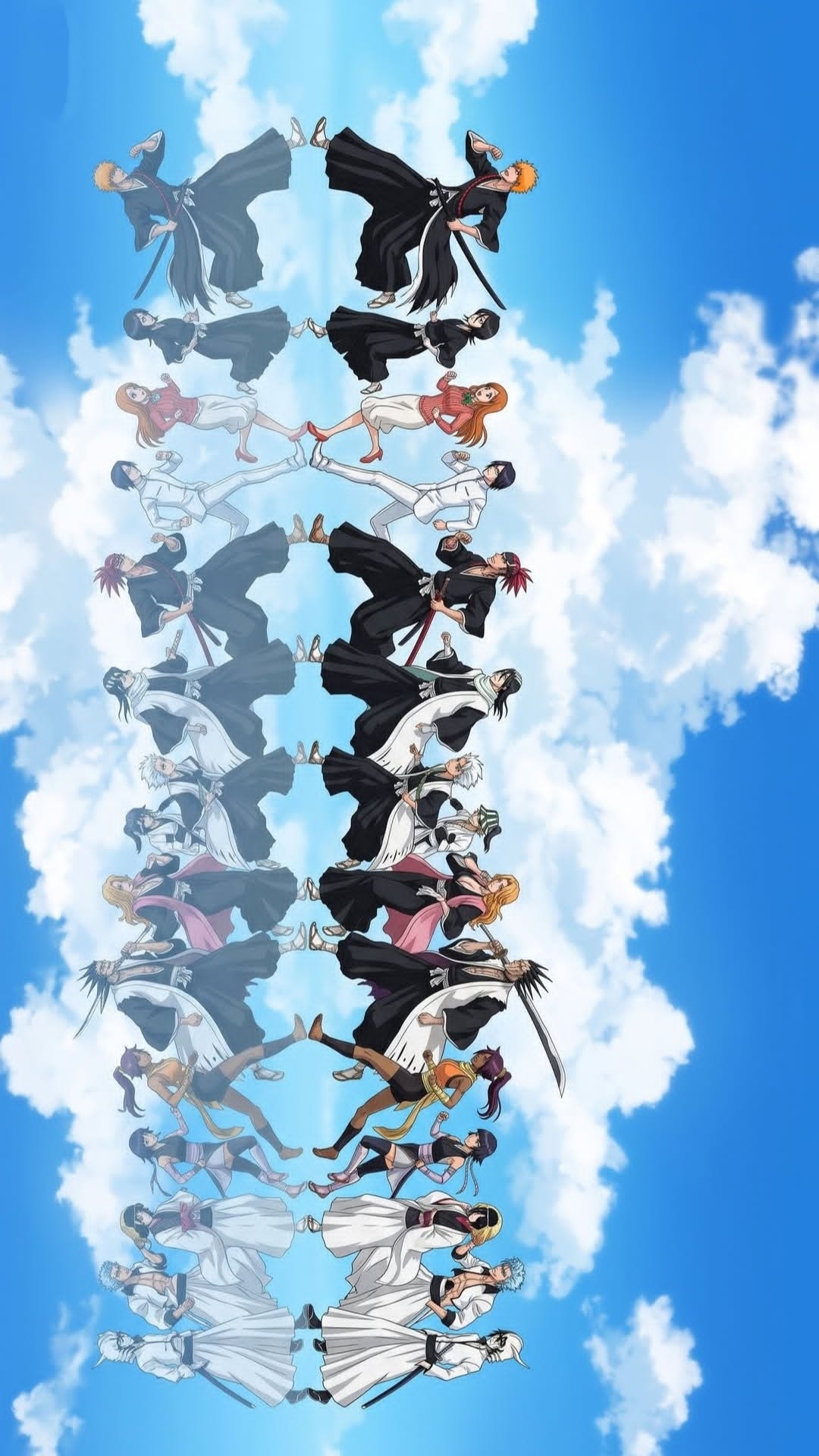
In this high-altitude theater of war, traditional shonen pacing is cast aside. Yhwach, flanked by his steadfast grandmaster Jugram Haschwalth and the increasingly conflicted Uryu Ishida, now wields power that borders on omnipotence. For Ichigo Kurosaki, Orihime Inoue, Yasutora Sado, and Renji Abarai, ascending the royal scaffolding is no longer merely a rescue mission — it is an existential defense of reality itself.
Tite Kubo’s Expanded Canon: Fixing the Manga’s Rushed Final Act
The greatest triumph of the modern Bleach anime lies in author Tite Kubo’s hands-on involvement as chief creative supervisor. When the Thousand-Year Blood War manga arc concluded in Weekly Shonen Jump back in 2016, severe health struggles forced Kubo to condense years of planned plotlines into rushed, abrupt chapters. Now, working closely alongside series director Tomohisa Taguchi and chief director Hikaru Murata, Kubo is finally delivering his uncompromised narrative vision.
Part 3 deepens the philosophical fracture between Quincy heritage and Shinigami doctrine. Viewers are treated to expanded dialogues exploring Uryu Ishida’s true loyalties, unearthing the profound weight of the Auswahlen purge that took his mother Katagiri years prior. Furthermore, anime-exclusive combat sequences flesh out underutilized Sternritter, transforming what were once brief manga exchanges into operatic, spellbinding masterclasses in magical combat choreography.
Legendary Bankai and the Horrors of War
Beyond the philosophical chess match between Yhwach and the Soul Society leadership, Part 3 serves as the crucible for the story’s most revered techniques. Central to this descent into madness is newly appointed Captain-Commander Shunsui Kyoraku, whose jovial facade dissolves completely in the face of annihilation. Long-time enthusiasts have waited nearly two decades to witness Kyoraku’s terrifying Bankai, Katen Kyokotsu: Karamatsu Shinju, fully realized with dynamic lighting, spine-chilling sound design, and macabre theatrical staging.
Similarly, tactical prodigies Kisuke Urahara and Mayuri Kurotsuchi are thrust into life-or-death confrontations that test the limits of their grotesque ingenuity. In an era where high-octane supernatural sagas like Solo Leveling: Ragnarok dominate global streaming charts, Bleach differentiates itself through sheer gothic weight, poetic incantations, and visceral emotional sacrifice.
Studio Pierrot Films: The Production Revolution Transforming Shonen
From an artistic standpoint, the Thousand-Year Blood War marks a seismic shift for Studio Pierrot. By establishing dedicated boutique divisions like Pierrot Films, the legendary animation house has abandoned archaic continuous weekly scheduling in favor of seasonal, high-budget curation. Much like the boundary-pushing cinematic ambitions behind Chainsaw Man The Movie: Reze Arc, each cour functions with the visual polish and compositing fidelity of a premier theatrical release.
Just as anticipation boils over for One-Punch Man Season 3’s Monster Association war, Bleach balances raw kinetic velocity with exquisite visual symbolism. Shiro Sagisu’s legendary orchestral and heavy metal soundtrack surges through every confrontation, lending ancient gravitas to every clash of spiritual pressure.
Key Characters Shaping The Conflict
- Ichigo Kurosaki: Armed with his dual Zanpakuto representing his Hollow, Shinigami, and Quincy heritage, Ichigo must confront his former ally Uryu Ishida.
- Yhwach: The Quincy progenitor whose foresight and godlike spiritual pressure threaten to dismantle the three worlds.
- Shunsui Kyoraku: The newly minted Head Captain forced to utilize his darkest forbidden arts to safeguard Soul Society.
- Uryu Ishida: Caught between familial allegiance and his bond with Ichigo, Ishida’s covert game of subterfuge reaches its ultimate turning point.
- Jugram Haschwalth: The stern grandmaster who maintains unquestioned balance in the Quincy ranks through his ruthless Schrift, The Balance.
What Do You Think? Join the Soul Society Debate!
Has Bleach: Thousand-Year Blood War officially surpassed its legendary Arrancar Arc in terms of storytelling impact and spectacle? Do you believe Uryu Ishida’s anime-original character development improves upon the original manga release, or are you holding out for Shunsui Kyoraku’s long-awaited Bankai reveal? Drop your predictions and thoughts in the comments below!