

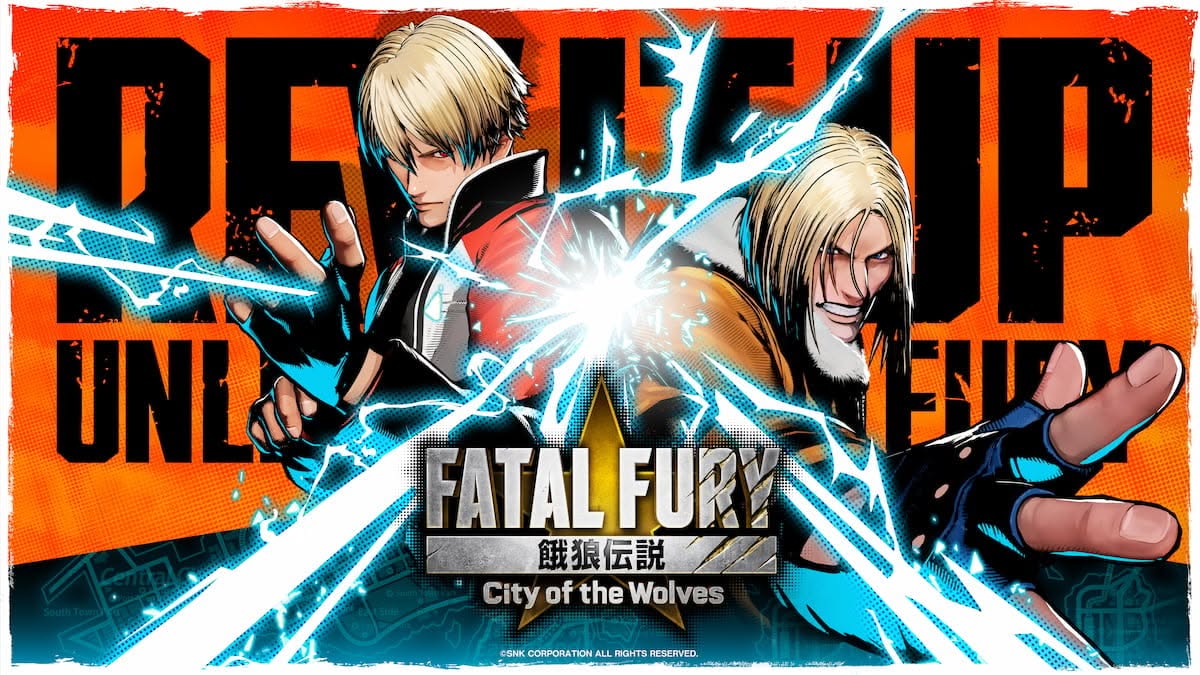
After a grueling twenty-six-year wait since the iconic release of Garou: Mark of the Wolves in 1999, legendary developer SNK has officially reignited South Town. Fighting game enthusiasts worldwide are buzzing as Fatal Fury: City of the Wolves arrives with blistering intensity, brand-new visual flair, and deep competitive systems designed to challenge modern genre titans. But is this high-octane comeback purely fueled by 90s arcade nostalgia, or has producer Yasuyuki Oda truly engineered the next gold standard of competitive 2D fighting games?
The Evolution of South Town: Returning Icons and Fresh Blood
The beating heart of any fighting game lies in its roster, and Fatal Fury: City of the Wolves masterfully balances timeless legends with electrifying newcomers. Central protagonist Rock Howard steps into the spotlight, wielding his lethal hybrid martial arts that fuse the graceful acrobatics of Terry Bogard with the devastating, ominous aura of his estranged father, Geese Howard. Beside him stands the immortal “Legendary Hungry Wolf” himself, Terry Bogard, sporting his iconic battle-hardened jacket and delivering earth-shattering Power Geysers with newfound graphical crunch.
Veteran fan-favorites like the lethal kunoichi Mai Shiranui, secret agent Blue Mary, and capoeira prodigy Bob Wilson make triumphant returns, reimagined with stunning anime-comic shaded 3D aesthetics. Simultaneously, fresh contenders such as the ferocious streetwear brawler Preecha—a devoted disciple of Muay Thai champion Joe Higashi—and the stylish young assassin Vox Reaper inject unpredictable mix-ups and intense momentum into the competitive meta.
The REV System: High-Risk, High-Reward Combat Reborn
What truly sets City of the Wolves apart from rivals like Street Fighter 6 and Tekken 8 is its aggressively dynamic REV System. Built from the ground up to reward proactive offense while demanding surgical precision, the REV mechanics redefine resource management through four core pillars:
- REV Arts: Enhanced special attacks that inflict punishing frame traps and massive chip damage, expanding routine combos into lethal conversions.
- REV Accel: A fluid cancel mechanic allowing warriors to chain diverse special moves together seamlessly, opening unprecedented creative freedom.
- REV Blow: A devastating strike designed to blow through opponent defenses and establish critical breathing room during corner pressure.
- REV Guard: A push-block defensive barricade that forces spacing resets at the cost of rapid gauge accumulation.
However, power comes at a steep price. Overusing REV actions triggers an agonizing Overheat state, leaving fighters unable to execute REV moves and making their guard excruciatingly vulnerable to block breaks. This razor-sharp balance between ruthless pressure and catastrophic burnout ensures that every single round remains an absolute nail-biter until the final second ticks down.
S.P.G. and Control Flexibility for Modern Competitors
True to its franchise roots, the beloved Selective Potential Gear (S.P.G.) system returns in evolved glory. Before stepping into the arena, fighters choose where their S.P.G. zone activates—at the beginning (early third), middle, or critical end (final third) of their health bar. When active, players gain gradual health regeneration, accelerated meter gain, and access to devastating Rev Blows and Hidden Gear supers. Tailoring your S.P.G. placement allows aggressive rushdown specialists to snowball early leads, while patient counter-punchers can prepare dramatic comeback miracles.
Furthermore, director Hayato Kaji has introduced a versatile dual-control scheme. The traditional Arcade Style retains precise six-button classic execution for seasoned veterans, while the streamlined Smart Style enables newcomers to execute stylish specials, dashes, and directional combos with intuitive single-button inputs. Unlike rudimentary auto-combo implementations in older titles, Smart Style preserves competitive depth while dramatically lowering the barrier of entry for casual fans who follow modern competitive fighters like Hunter x Hunter: Nen x Impact and modern martial arts masterpieces like Ghost of Yotei.
Why SNK’s Masterpiece Matters for the Fighting Game Renaissance
We are currently living through an unprecedented golden age of fighting games. With modern netcode standards, rollback infrastructure, and massive international tournament circuits, SNK has crafted an experience that honors decades of arcade heritage without feeling anchored to the past. The dynamic sound design, punchy comic-book impact frames, and layered system mechanics give City of the Wolves an undeniable identity that demands the global stage.
What Do You Think?
Are you excited to take Rock Howard, Terry Bogard, or Mai Shiranui into the competitive online arenas of South Town? Do you believe the aggressive REV System outshines the Drive Gauge of modern rivals, or does the threat of Overheat make the gameplay too punishing? Share your favorite characters, combo theories, and thoughts in the comments below!