
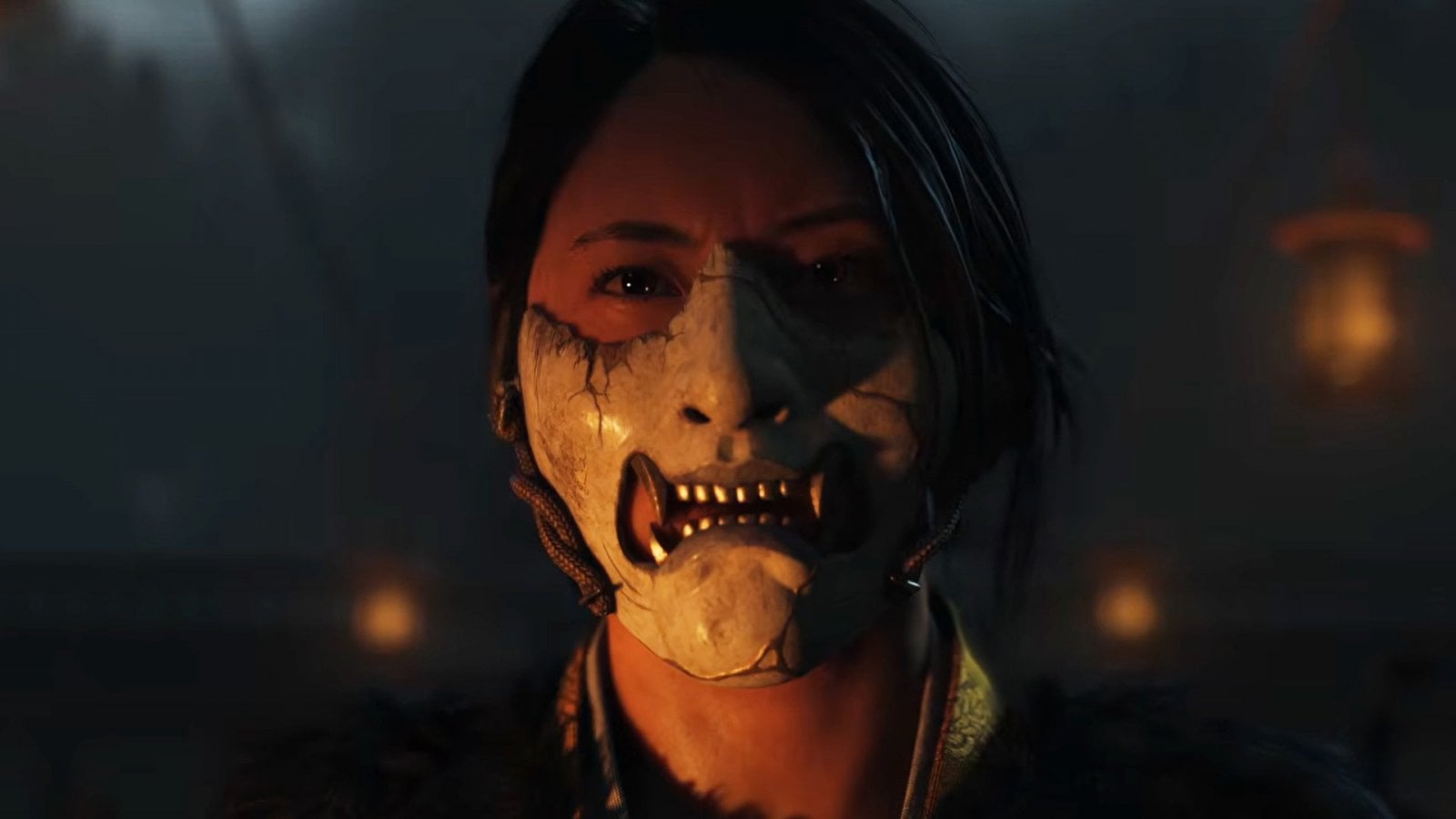
When Sucker Punch Productions shocked the gaming universe by unveiling Ghost of Yōtei, the entire samurai action fandom gasped in collective disbelief. For years, players had assumed that any follow-up to the celebrated 2020 masterpiece Ghost of Tsushima would immediately continue the tragic, honor-bound journey of Lord Jin Sakai. Instead, creative directors Nate Fox and Jason Connell chose a radically daring path: leaping over three centuries into the future to introduce a fierce, dual-blade wielding mercenary named Atsu, set against the raw, snow-capped frontier of Mount Yōtei in 1603 Japan.
A Dramatic Leap Across Centuries: 1274 Tsushima to 1603 Ezo
The transition from Jin Sakai’s era to Atsu’s odyssey marks an explosive thematic evolution for the franchise. The first game immersed players in the desperate defensive struggle against Mongol invaders on the island of Tsushima in 1274. In stark contrast, Ghost of Yōtei takes place in 1603—a pivotal year that marked the beginning of the Tokugawa Shogunate following the monumental Battle of Sekigahara.
However, Atsu’s story does not unfold amidst the lavish castles of Kyoto or the bustling streets of Edo. Her journey is anchored around Mount Yōtei in the northern territory of Ezo (modern-day Hokkaido). During the early seventeenth century, this rugged wilderness lay completely beyond the control of feudal Japan’s central warlords. Without samurai clans enforcing rigid bushido codes, Ezo was a lawless frontier populated by wandering ronin, opportunistic bandits, indigenous communities, and ruthless hunters.
Meet Atsu: The Ruthless Underdog Seeking Vengeance
Unlike Jin Sakai, who started as an elite samurai lord burdened by noble expectations, Atsu operates from the shadows as a fierce underdog. Voiced and brought to life by acclaimed actor Erika Ishii, Atsu represents an entirely different archetype of the “Ghost.” While Jin fought to protect an organized society, Atsu is driven by personal vengeance and pure survival in a savage landscape where anyone can become prey.
The cinematic trailers revealed Atsu traveling with a wild wolf companion, navigating breathtaking wildflower grasslands, treacherous snowy tundras, and dimly lit mountain shrines. Armed not only with twin katanas, but also a kusarigama (chain-sickle), traditional shamisen, and early Japanese matchlock firearms, Atsu’s combat style is visibly faster, more lethal, and far less constrained by feudal traditions than Jin Sakai’s deliberate stance-based swordsmanship.
Next-Gen Innovation Built Exclusively for PlayStation 5
One of the most consequential decisions made by Sucker Punch and Sony Interactive Entertainment is developing Ghost of Yōtei from the ground up exclusively for the PlayStation 5 hardware. Unlike its predecessor, which was designed within the constraints of previous-generation architecture, this sequel harnesses the full power of modern console engineering:
- Vast Draw Distances and Volumetric Weather: Massive rolling clouds, authentic auroras, drifting northern blizzards, and procedural wind animations that bring the northern frontier to life.
- DualSense Haptic Mastery: Subtle resistance triggers when firing matchlock muskets, drawing bows, or parrying ferocious blade attacks.
- Dynamic Wildlife and Ecosystems: A reactive natural world where predatory wolves and northern wildlife dynamically interact with player choices and enemy encampments.
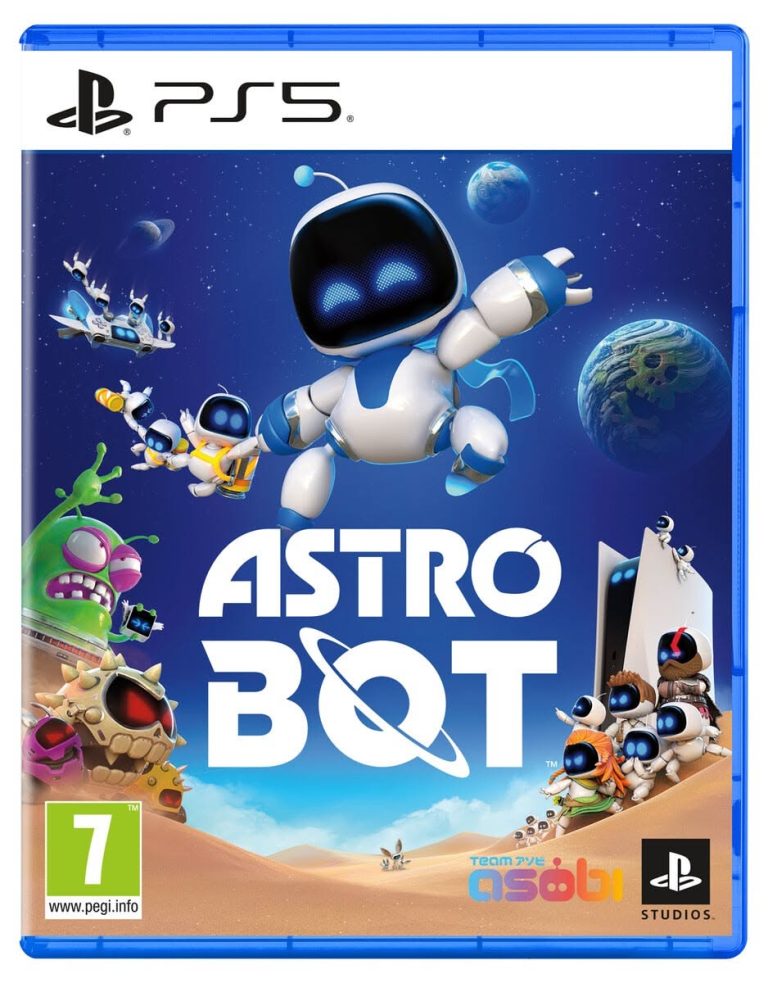
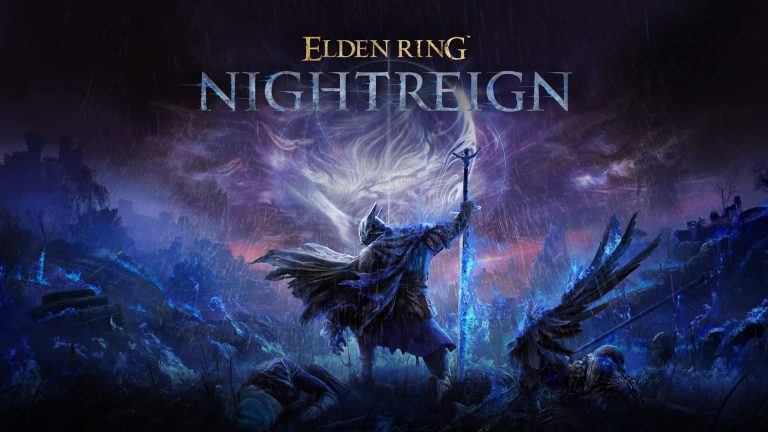
Much like the breathtaking visual direction seen in other high-profile Sony adventures like Astro Bot or the thrilling open-world combat in Elden Ring Nightreign, Sucker Punch is pushing aesthetic immersion to an entirely new echelon.
Why Departing From Jin Sakai Was the Franchise’s Smartest Move
While some dedicated fans initially mourned the departure of Jin Sakai, narrative analysts and industry veterans quickly realized that Sucker Punch made the right creative call. Jin’s arc came to an emotionally complete, poetic resolution: he sacrificed his clan, his family name, and his personal honor to defend his home, ultimately accepting exile as the mythical Ghost.
By establishing that the “Ghost” is not a single individual, but a timeless mantle taken up by desperate warriors throughout Japanese history, Sucker Punch has unlocked infinite narrative freedom. Atsu’s quest offers an unfiltered perspective on Japanese history—showcasing the untamed wilderness of 1603 Hokkaido rather than retreading familiar feudal tropes.
What Do You Think?
Do you think moving away from Jin Sakai to introduce Atsu in 1603 Ezo was the right move for Sucker Punch? How do you feel about wielding dual katanas and matchlock guns against outlaws in the northern wilderness? Share your thoughts, predictions, and theories in the comments below!