

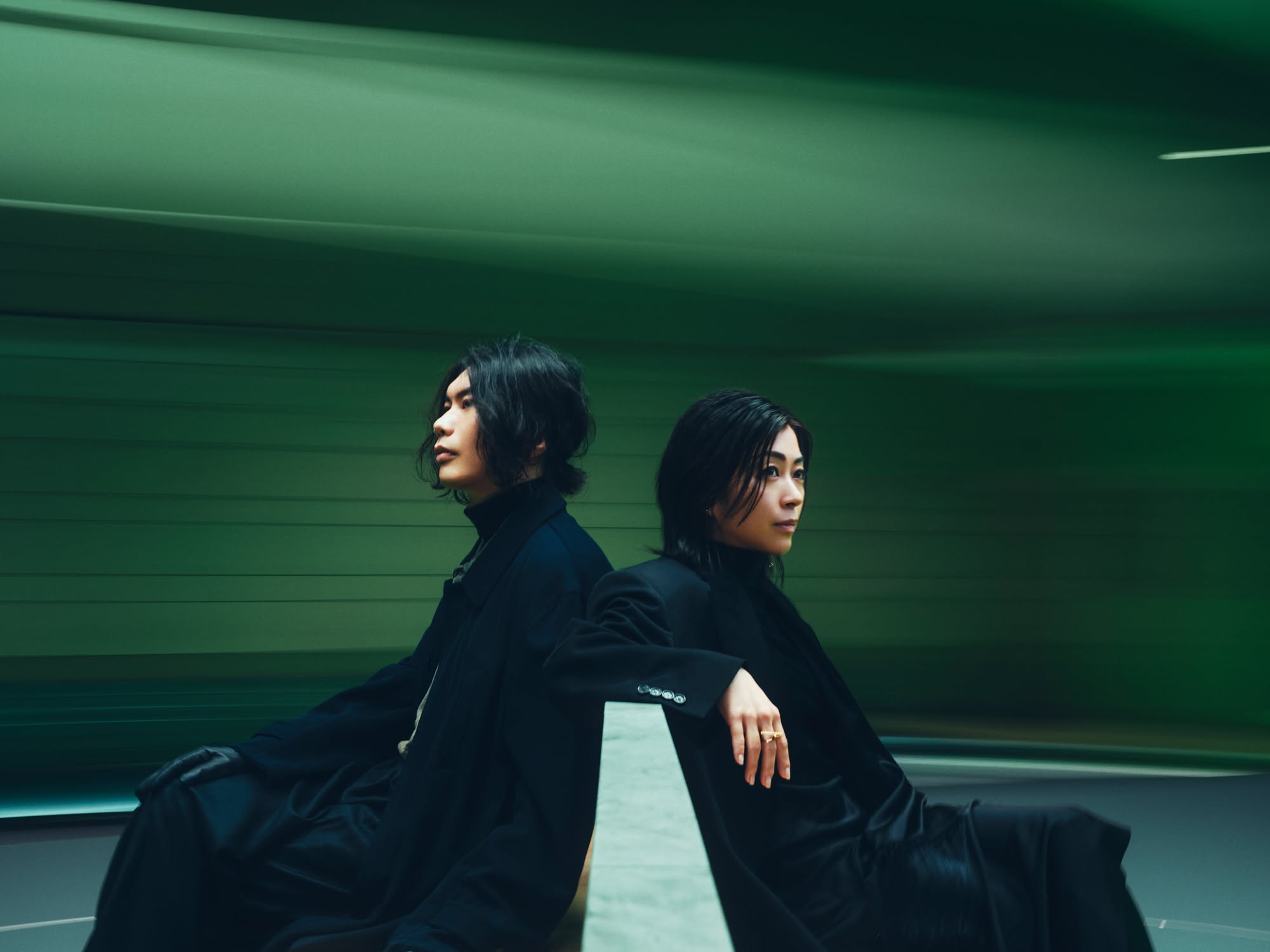
What happens when two of Japan’s most influential artists join forces for one of anime’s most explosive love stories? That is exactly the question fans could not stop asking when Kenshi Yonezu and Hikaru Utada unveiled “JANE DOE,” the ending theme for Chainsaw Man – The Movie: Reze Arc. From the first haunting notes, the collaboration felt destined to dominate timelines, playlists, and anime discussions all at once, proving that a perfectly matched song can become just as unforgettable as the story it closes.
A Dream Collaboration Between Kenshi Yonezu and Hikaru Utada
On paper, this pairing already sounds historic. Kenshi Yonezu has built a reputation as one of J-Pop’s most inventive storytellers, blending pop, rock, and cinematic emotion into songs that instantly connect with global audiences. His ability to turn deeply personal feelings into massive cultural moments has made every new release feel like an event, as seen in his continuing global momentum.
Hikaru Utada, meanwhile, is a generational icon whose voice has defined eras of Japanese music. Known for emotional depth and timeless melodies, Utada brings a sense of intimacy that can make any track feel instantly iconic. When these two artists met on “JANE DOE,” the result was not just another anime tie-in. It became a rare crossover moment where artistic worlds aligned perfectly.
Why “JANE DOE” Fits Denji and Reze So Perfectly
To understand why the track hit so hard, you have to look at the story that inspired it. In Chainsaw Man – The Movie: Reze Arc, Denji and Reze share a relationship that is tender, dangerous, and tragically brief. Created by manga mastermind Tatsuki Fujimoto, their story balances youthful romance with sudden violence, making every quiet moment feel precious and every goodbye feel devastating.
“JANE DOE” leans into that bittersweet energy with remarkable precision. Instead of overpowering the film’s final moments, the song lingers like an emotional afterimage. The duet format mirrors the push and pull between Denji and Reze, capturing longing, vulnerability, and the sense that something beautiful slipped away before it could fully bloom. That emotional honesty is a big reason fans kept replaying the track long after the credits rolled.
How MAPPA and Tatsuya Yoshihara Amplified the Song’s Impact
The power of “JANE DOE” is inseparable from the visuals crafted by MAPPA. Under the direction of Tatsuya Yoshihara, the Reze Arc film delivered explosive action, vivid color palettes, and intimate character animation that elevated every beat of Fujimoto’s story. When the music arrives at the end, it does not feel like an add-on. It feels like the emotional release the entire film has been building toward.
MAPPA’s cinematic approach gave the ending theme room to breathe. By letting the mood settle and the characters’ emotions resonate, the studio helped transform “JANE DOE” into the final chapter of Denji and Reze’s journey. The combination of Yonezu’s songwriting, Utada’s voice, and Yoshihara’s direction created a moment that fans could not stop discussing online.
Why the Song Went Viral Beyond the Anime Community
Part of what makes “JANE DOE” so compelling is how easily it travels beyond anime fandom. Listeners who came for the Chainsaw Man connection stayed for the chemistry between two of J-Pop’s biggest names. The track sparked covers, reaction videos, fan edits, and emotional breakdowns across social platforms, turning it into a shared cultural moment rather than just a movie credit song.
It also highlights a larger trend: anime music is no longer a niche corner of the industry. Collaborations like this show how film, manga, and J-Pop can collide to create global buzz. With Kenshi Yonezu and Hikaru Utada at the center, “JANE DOE” became more than an ending theme. It became proof that the right artists, the right story, and the right emotional timing can ignite the internet.
What Do You Think?
Did “JANE DOE” capture Denji and Reze’s heartbreaking story perfectly, or do you have another favorite anime ending theme that hits even harder? Do you want to see Kenshi Yonezu and Hikaru Utada collaborate again in the future? Share your thoughts and tell us which moment from the Reze Arc stayed with you the longest.