


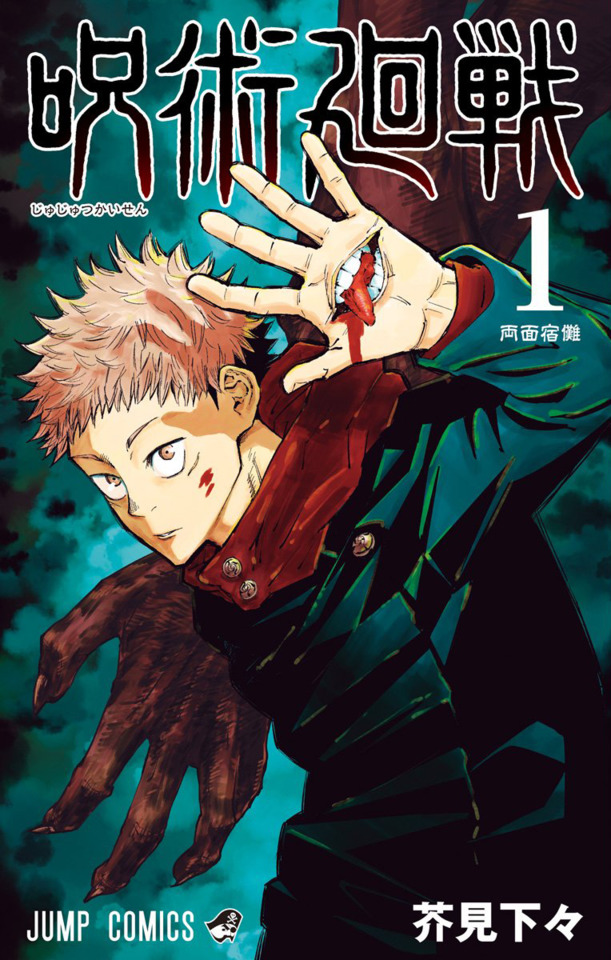
For the first time since 2008, Japan’s most iconic manga magazine has slipped below the one-million-copies mark. Weekly Shonen Jump — the home of One Piece, Jujutsu Kaisen, and generations of legendary series — just recorded an average print circulation of 985,000 copies per week, and the numbers say more about the future of manga than the decline itself.
985,000 Copies: A Number That Changes Everything
According to fresh data from the Japan Magazine Publishers Association covering April to June 2026, Weekly Shonen Jump’s average weekly print run fell to 985,000 — a 1.9 percent drop from the previous quarter. It’s the first time the magazine has dipped below one million since 2008, and possibly the first time ever in its regularly tracked history.
To understand how massive this shift is, look back at the peak: in late 1994, Weekly Shonen Jump was selling a staggering 6.53 million copies per week. That was the era when Akira Toriyama’s Dragon Ball and Takehiko Inoue’s Slam Dunk were running simultaneously — two mega-hits with fan bases broad enough to make Jump the highest-circulating manga anthology of all time. By 2017 the magazine dropped under two million. Now, less than a decade later, it’s sitting at roughly half of that.
Still the King — By a Huge Margin
Before anyone starts writing obituaries, the math matters: Weekly Shonen Jump is still Japan’s biggest manga magazine by a wide gap. Its closest rival, Kodansha’s Weekly Shonen Magazine, averages just 281,000 copies. Shueisha’s own Weekly Young Jump sits at 214,000, while Shogakukan’s Monthly CoroCoro Comic is close behind at 213,333. Weekly Shonen Sunday, Shogakukan’s biggest weekly anthology, manages 120,000, and in the shojo demographic no magazine even reaches six figures — Shueisha’s Monthly Ribon tops that space at 90,000.
In fact, Jump’s drop means Japan no longer has a single magazine of any type — manga or otherwise — with a circulation of one million copies.
It’s Not Readers Leaving. It’s Readers Going Digital
Here’s the twist that changes the story: manga fans aren’t abandoning Jump’s series. They’re abandoning paper. Japanese publishers and readers have embraced digital platforms with open arms, and the convenience of reading on a phone is undeniable — especially for fans living far from brick-and-mortar bookstores or too busy for a weekly shopping trip.
Shueisha has been pushing that shift aggressively. Its MANGA MILLION initiative opened free access to over 400 manga series in 100 languages earlier this year, and the success of Shonen Jump+ and Manga Plus shows where the real growth lives. Meanwhile, the bestseller charts keep confirming that digital-era hits like Frieren can now genuinely compete with the old print giants.
The pain, though, is real for retailers. Convenience stores and station kiosks can lean on other products, but bookstores that rely on paper manga are taking the hit. And some industry voices worry about discovery: with a printed issue, readers paid for the whole magazine, so they flipped through everything — even series they’d never heard of. On a digital app with thousands of titles, choice paralysis pushes readers back to familiar favorites, meaning new series have to work harder to find their audience.
What This Means for Jump’s Future
Don’t mistake the print number for weakness. Jump’s current lineup still generates headlines weekly — Eiichiro Oda’s One Piece remains a global phenomenon, Gege Akutami’s Jujutsu Kaisen reshaped the anime ecosystem, and the recent Chainsaw Man finale proved a Jump series can end as an internet-wide event. The magazine also keeps finding new hits, and with digital-first launches it reaches far more readers worldwide than the 985,000 print copies suggest.
The million-copy barrier falling is a symbolic moment — the closing of a chapter that peaked at 6.53 million with Dragon Ball and Slam Dunk. But it’s less the end of an era than a handover: the same stories that used to live on paper now live in your pocket, and they’re being read by more people than ever.
What Do You Think?
Is the decline of print circulation a sad goodbye to a nostalgic era, or just proof that manga is healthier than ever in digital form? Do you still buy physical Shonen Jump issues, or are you reading on Manga Plus and Shonen Jump+? And which current series do you think will define the next chapter of Jump’s legacy — One Piece, Jujutsu Kaisen, or a newcomer? Drop your take in the comments!