

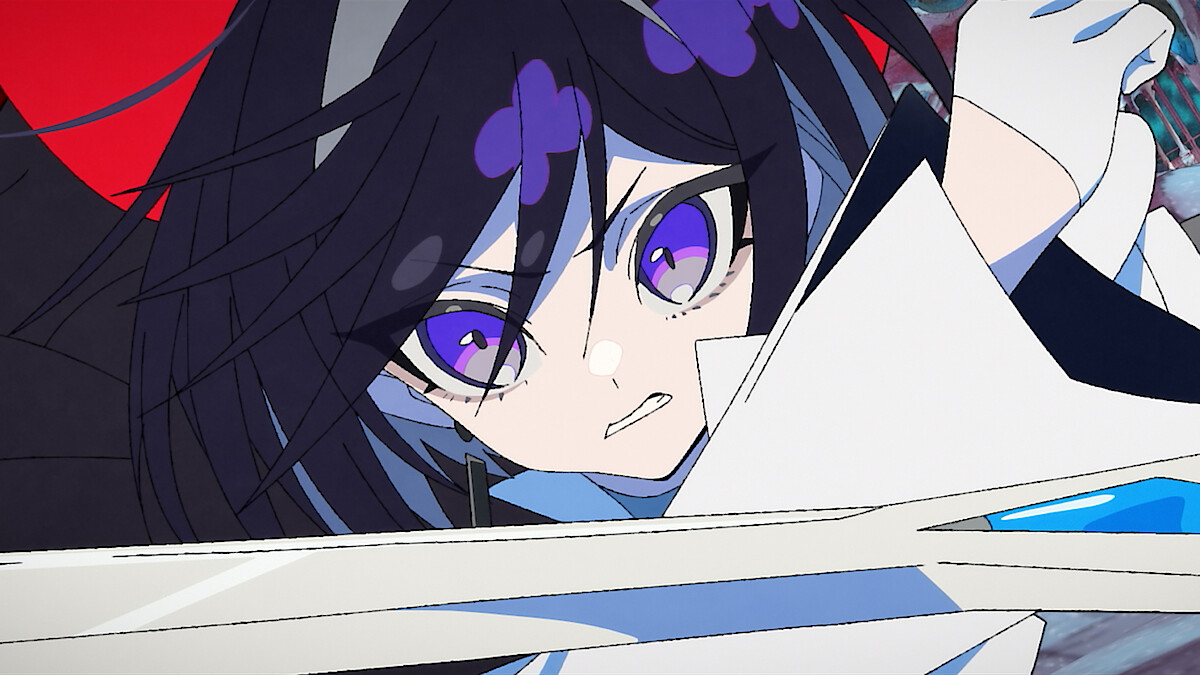
On August 8, 2026, Netflix quietly did something historic. It dropped The Ribbon Hero — a brand-new anime film based on Princess Knight, the 70-year-old manga by Osamu Tezuka that essentially invented the magical girl genre. Not an Astro Boy reboot, not another Black Jack spinoff — the gender-bending 1950s classic that planted the seeds for Sailor Moon, Cardcaptor Sakura, and an entire generation of anime. And within days, the internet split right down the middle: some are calling it a gorgeous, hopeful triumph, others a sanitized miss. Here’s everything you need to know about the anime film everyone’s debating.
What Is The Ribbon Hero?
The Ribbon Hero (リボンヒーロー) is a 111-minute Japanese animated film directed by Yuuki Igarashi in his feature directorial debut, produced by Netflix and Twin Engine — the production powerhouse behind Ousama Ranking, Hell’s Paradise, and Heavenly Delusion. Animation comes from the studio Outline, with character designs by Kei Mochizuki and a score from Satoru Kosaki (the legendary composer behind Bakemonogatari and One Punch Man) alongside Ryuichi Takada.
It’s an adaptation of Osamu Tezuka’s Princess Knight (1953–1956), the pioneering manga that is widely considered the first true shoujo manga — and the blueprint for every magical girl story that followed. The theme song, “Reborn,” is performed by rising idol group Girls Archives, and the film hit Netflix worldwide on August 8, 2026, as a global exclusive.
The Manga That Started It All: Why Princess Knight Matters
To understand why this release is a big deal, you have to understand what Tezuka built. Long before anime’s “God of Manga” created Astro Boy or Kimba the White Lion, he serialized Princess Knight in 1953 — the story of Sapphire, a princess born with both a boy’s heart and a girl’s heart, who must pretend to be a prince to claim her kingdom. It was revolutionary: a swashbuckling heroine, gender identity themes, and a visual style that basically codified the “big sparkly eyes” look we now associate with shoujo anime.
Decades later, Naoko Takeuchi and CLAMP openly drew from that DNA when they created Sailor Moon and Cardcaptor Sakura. In other words, without Princess Knight, the magical girl genre as we know it might not exist. That’s the legacy Netflix decided to resurrect in 2026 — a move that definitely deserves your attention if you care about anime history.
A Modern Fairy Tale: The Plot
The film reimagines the story with a darker, post-apocalyptic flavor. Long ago, a monster called Nergal rose from the Sea of Ash and destroyed everything in its path. Humanity’s only answer was the Ribbon Hero — a legendary warrior who briefly pushed the beast back.
Centuries later, the powerless Princess Sapphire wakes in the ruins of her own castle as Nergal’s spores consume everyone she loves. Forced to flee by her loyal knight Zirco, Sapphire wanders for seven starving years before finding refuge in the mining town of Goldland. There, when the monstrous Ash King erupts from the crystal mines, Sapphire discovers a hidden power — and her ribbon awakens, transforming her into a hero she proudly christens the “Princess Knight.”
It’s a lovely meta-gesture: the movie’s heroine earns the title of Tezuka’s original icon on her own terms, in a story that swaps the royal court for crystal mines, monster spores, and a mysterious pact with the velvet-voiced Velvet to stop Nergal once and for all. Expect swan transformations, giant kaiju-esque threats, and a surprisingly emotional core about found family and self-acceptance.
A Voice Cast That Breaks the Internet
The cast is stacked — but it’s the VTuber crossover that made headlines. Sapphire is voiced by Saaya Kadokura, with Seiran Kobayashi as Pine, Koki Uchiyama (long-time fan favorite from Hunter x Hunter and My Hero Academia) as Velvet, and Mayumi Shintani as Zirco. Yoshimasa Hosoya rounds out the heroes as the brawler Rock.
Then comes the surprise: Nijisanji superstar Mito Tsukino voices Hecate, joined by VTubers Lunlun and Debidebi Debiru as Chick and Jack. Netflix clearly knows the streaming wars are won on social media — and casting beloved VTubers guarantees the film trends the moment it drops. For anime fans who also follow the virtual world (and yes, we know that’s most of you), it’s an easter egg hunt just figuring out who’s behind which voice.
Critics Are Torn — Here’s Why
The reception has been genuinely divided, which is exactly the kind of discourse that fuels a viral movie:
- Gizmodo called it “an infectiously hopeful magical girl” tale and a worthy modern continuation of Tezuka’s spirit.
- Otakukart praised it as a “stunning Princess Knight reimagining” that brings the classic manga to a new generation.
- Polygon, on the other hand, labeled it “disappointing,” arguing the reimagining loses the subversive bite of the original.
- The Guardian was harshest, calling it “a sanitised, saccharine take on [a] seminal manga.”
- RogerEbert.com landed somewhere in between: “gorgeous but gossamer-thin.”
What nearly everyone agrees on: the animation is stunning, the music is sublime, and the ambition is real. The fight is over tone — whether a genre-defining, boundary-pushing classic deserved a softer, more hopeful retelling, or whether the film’s optimism is exactly the point in 2026.
Why This Matters for Anime’s Future
The Ribbon Hero isn’t just another Netflix anime drop — it’s a signal. Streaming platforms are now digging deep into manga’s history books for IP with built-in cultural weight, and Tezuka’s catalog is the mother lode. The same week the film premiered, VIZ Media announced an English dub for MAO, Tezuka’s final manga, at Anime NYC 2026. Combined, it feels like a genuine Tezuka renaissance.
It also continues the anime industry’s 2026 trend of betting big on films and legacy properties — the same wave that saw rom-com classics like Toradora! get the theatrical treatment and unlikely anime movies like Chiikawa absolutely dominate the box office. If old titles can be reborn as premieres, the next few years of anime are going to feel like a greatest-hits tour with brand-new production values.
The bigger question: will the gender themes of Princess Knight — radical in 1953 — find a new generation of fans in this modern retelling? Early discourse suggests the film handles Sapphire’s identity with more warmth than controversy, which may be exactly what Tezuka himself would have wanted: a hero who gets to be herself, on her own terms.
The Verdict
Whether you’re a Tezuka purist, a magical girl historian, or just someone who loves gorgeous animation and giant monsters, The Ribbon Hero is worth your weekend. It’s beautiful, it’s ambitious, and it’s sparking the kind of passionate debate anime hasn’t seen in months. You don’t need to know Princess Knight to enjoy it — but if you do, the emotional gut-punches hit harder.
So — have you watched The Ribbon Hero yet? Is it a worthy tribute to the manga that invented magical girls, or did Netflix sanitize a genre-defining classic? And would you rather see a sequel, or a straight 1:1 remake of Princess Knight? Drop your take in the comments below! 👇