



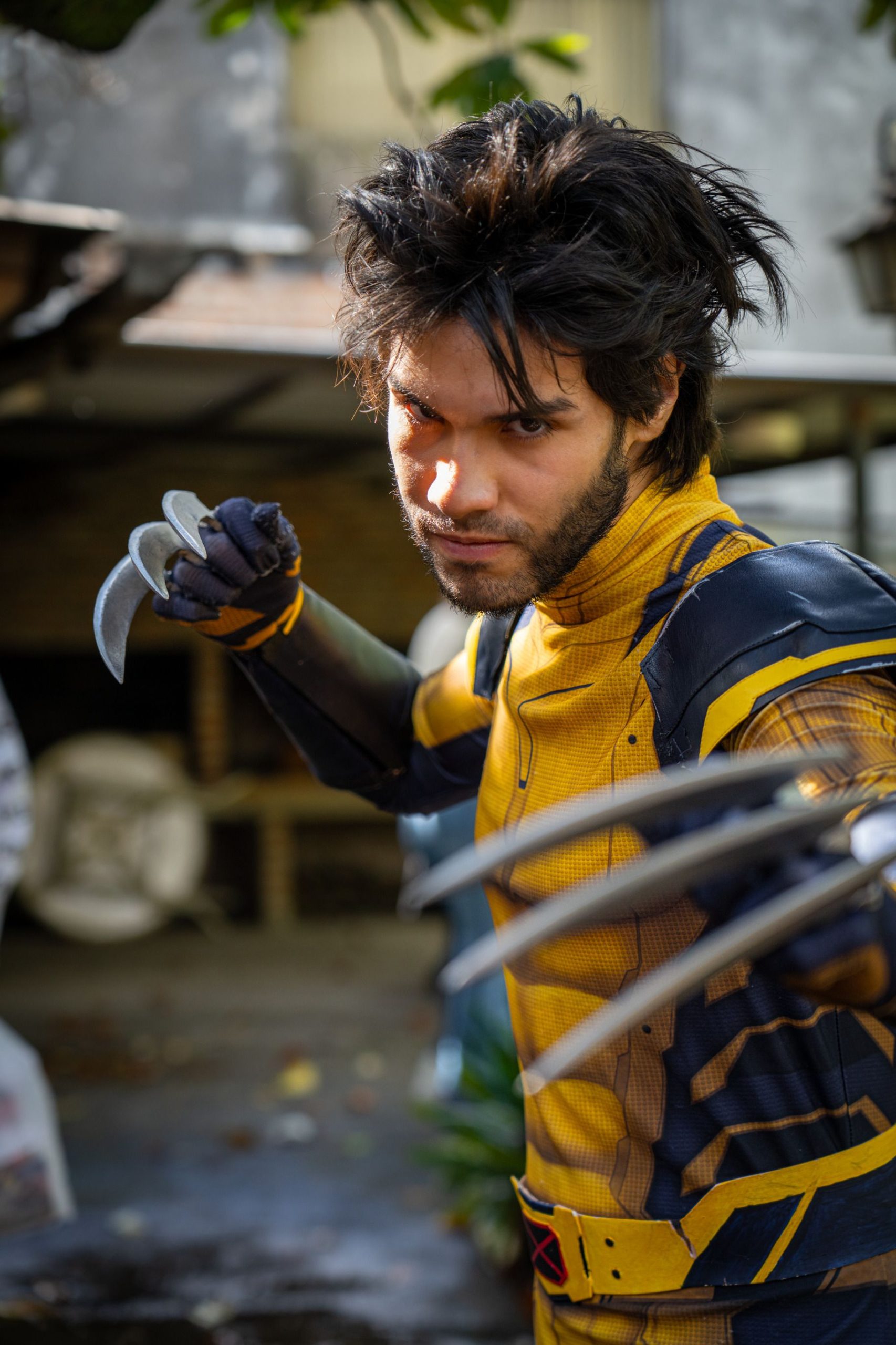
Marvel’s Wolverine Is the Most Divisive Game of 2026 — and the Debate Could Change How We Judge Insomniac Forever
Insomniac Games built its reputation on near-perfect superhero games. Spider-Man scored 85+ across the board. Spider-Man: Miles Morales followed suit. Even Ratchet & Clank: Rift Apart joined the elite club. So when Marvel’s Wolverine landed with review scores scattered anywhere from 6/10 to a perfect 10/10, the gaming world didn’t just notice — it erupted. This comes at a time when the gaming industry is already buzzing — from Nintendo’s massive September Direct to Sonic Racing CrossWorlds bringing everyone together. But nothing has divided the community quite like Wolverine.
This isn’t a case of a bad game slipping through the cracks. This is something far more interesting: a genuinely great studio releasing a game that critics literally cannot agree on. And the reasons behind that divide might tell us more about the state of game criticism than any single review score ever could.
The Numbers Don’t Lie — But They Don’t Tell the Whole Story Either
Marvel’s Wolverine currently sits at an aggregate score somewhere between 78 and 80 on Metacritic. For most studios, that would be a triumph. For Insomniac — a developer that has never dipped below 85 on a flagship title — it feels like a stumble. But the aggregate hides the real story.
On one end, you have outlets like GamingBolt handing out a perfect 10/10, calling it one of the best portrayals of Logan ever created. On the other end, reviewers are dropping 6/10 scores, calling the combat repetitive and the enemy variety painfully limited. That’s a 40-point swing on a 100-point scale — for the same game.
And that’s not normal. Most divisive games tend to cluster within 15-20 points of each other. A 40-point spread suggests something deeper is happening. It’s not just that reviewers disagree on quality — they disagree on what this game is trying to be.
The Spider-Man Shadow
Here’s the uncomfortable truth that nobody wants to say out loud: Spider-Man is ruining Wolverine. Not the game itself — the expectations.
Insomniac’s three Spider-Man titles set an impossibly high bar. Open worlds teeming with life. Combat systems that evolved with each installment. Stories that balanced personal drama with world-ending stakes. When Wolverine launched, critics couldn’t help but measure Logan’s claws against Peter Parker’s webs.
The problem? Wolverine was never meant to be Spider-Man. It’s a 15-20 hour linear action game about a guy who solves problems by stabbing them. It doesn’t have a sprawling open world. It doesn’t have a deep stealth system. What it has is the most visceral, blood-soaked combat Insomniac has ever crafted — and a story that digs into Logan’s psyche with surprising tenderness.
IGN’s review nails it: Liam McIntyre’s performance as Wolverine is “instantly one of my favourite depictions of the character.” The review highlights how Logan moves through social spaces with a hunched back reflecting vulnerability — “a physical manifestation of a dark past weighing him down.” That level of character animation detail is Insomniac operating at its absolute peak.
But when you come off a 40-hour Spider-Man 2 experience and pop in a 15-hour Wolverine game, the difference in scope can feel jarring. Critics who judged it on its own terms found a tight, focused, brutally satisfying action game. Critics who couldn’t escape the Spider-Man comparison saw something smaller and less ambitious.
The Combat Divide: Repetition vs. Depth
The single biggest point of contention is the combat. And honestly, both sides have a point.
The detractors argue that fighting the same cyborgs and Sentinels for 20 hours gets old. That enemy variety is genuinely limited. That the game doesn’t introduce enough new mechanics to keep things fresh across its runtime.
The defenders point to the Techniques, Adaptations, Rage system, environmental attacks, parries, and area-of-effect abilities as evidence that depth exists — you just have to dig for it. GamingBolt’s perfect-score review argues that “the depth came less from constantly introducing entirely new powers and more from learning how to combine and exploit the tools already available.”
This is the classic “breadth vs. depth” debate that has divided gaming for years. Do you want a game that constantly throws new mechanics at you? Or do you want a game that lets you master a smaller set of tools until they become an extension of your reflexes? Wolverine chooses the latter. And that choice is either its greatest strength or its most frustrating flaw — depending on who you ask.
What the Boss Fights Reveal
One area where nearly everyone agrees: the boss fights are incredible. Sabretooth. Mystique. Bolivar Trask. Each encounter is a spectacle that pushes the combat system to its limits and forces players to use everything in Logan’s arsenal.
The boss fights are where Wolverine’s combat depth finally clicks. They’re pattern-heavy, cinematic, and genuinely challenging — the kind of encounters that make you forget about the repetitive grunts you fought five minutes ago. If the entire game had the variety and intensity of its boss encounters, we might be looking at a unanimous 90+ score.
Instead, we’re looking at a game that peaks in its middle chapters and occasionally sags between those peaks. That’s not a fatal flaw — plenty of beloved games have pacing issues — but it’s enough to push certain critics from “great” to “good enough.”
The Bigger Question: What Do We Actually Want From Insomniac?
Marvel’s Wolverine forces us to confront something the gaming industry has been dodging for years: is a studio allowed to make something different?
When FromSoftware went from Dark Souls to Sekiro, fans celebrated the risk. When Naughty Dog shifted from Uncharted’s bombast to The Last of Us’s quiet dread, it was hailed as artistic growth. But when Insomniac trades its web-slinging polish for adamantium-fueled brutality and gets an 80 instead of a 90, the narrative becomes “the studio lost its touch.”
That’s not just unfair — it’s dangerous. If studios feel punished for experimenting, they’ll stop experimenting. And the last thing gaming needs is another developer trapped in a creative echo chamber, churning out the same game with different skins.
Where Do You Stand?
Marvel’s Wolverine isn’t a masterpiece. But it’s not a failure either. It’s a bold, violent, surprisingly thoughtful take on one of Marvel’s most iconic characters — one that rewards players who meet it on its own terms and frustrates those who can’t stop comparing it to what came before.
The 40-point review spread tells us one thing clearly: this game deserves your attention, not your assumptions. Whether it ends up as Insomniac’s most underrated gem or its most justified misstep depends entirely on what you’re willing to let it be.
So here’s the real question: Is a 78 on Metacritic a failure for Insomniac, or is it proof that the studio is finally willing to take risks? Drop your take in the comments — because this debate isn’t settling itself anytime soon.



2 thoughts on “Marvel’s Wolverine Is the Most Divisive Game of 2026 — and the Debate Could Change How We Judge Insomniac Forever”