

When Sucker Punch Productions took the global stage to reveal Ghost of Yōtei, the entire gaming community felt an instantaneous shockwave. Following Jin Sakai’s legendary defense against the Mongol invasion in 1274, the celebrated studio made a daring creative pivot: leaping forward more than three centuries into the lawless, snow-draped wilderness of Mount Yōtei in 1603. Introducing a fierce new protagonist named Atsu, portrayed by acclaimed performer Erika Ishii, this standalone epic promises to challenge the very core of what fans expect from samurai open-world action. But what makes this sudden shift away from Tsushima so utterly electrifying?
Beyond Tsushima: The Untamed Frontier of Mount Yōtei in 1603
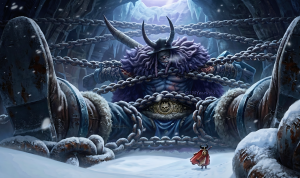
Unlike the organized feudal clans that governed Tsushima, the northern island of Ezo (modern-day Hokkaido) in 1603 was an untamed borderland existing largely outside the strict control of the Tokugawa Shogunate. Under the creative vision of game directors Nate Fox and Jason Connell, Mount Yōtei serves not just as a picturesque backdrop, but as a treacherous, living environment where survival demands brutal pragmatism.
Where Jin Sakai was bound by aristocratic bushido codes before sacrificing his family honor, Atsu begins her journey in complete isolation. The land surrounding Mount Yōtei features sprawling grasslands, wind-swept tundras, and unforgiving snowy peaks, mirroring Atsu’s rogue warrior archetype. Players stepping into this wilderness will encounter desperate ronin, elusive mercenary factions, and deep regional tensions that make every encounter feel like a razor’s edge gamble.
Dual Katanas, Kusarigama, and Firearms: Atsu’s Lethal Arsenal
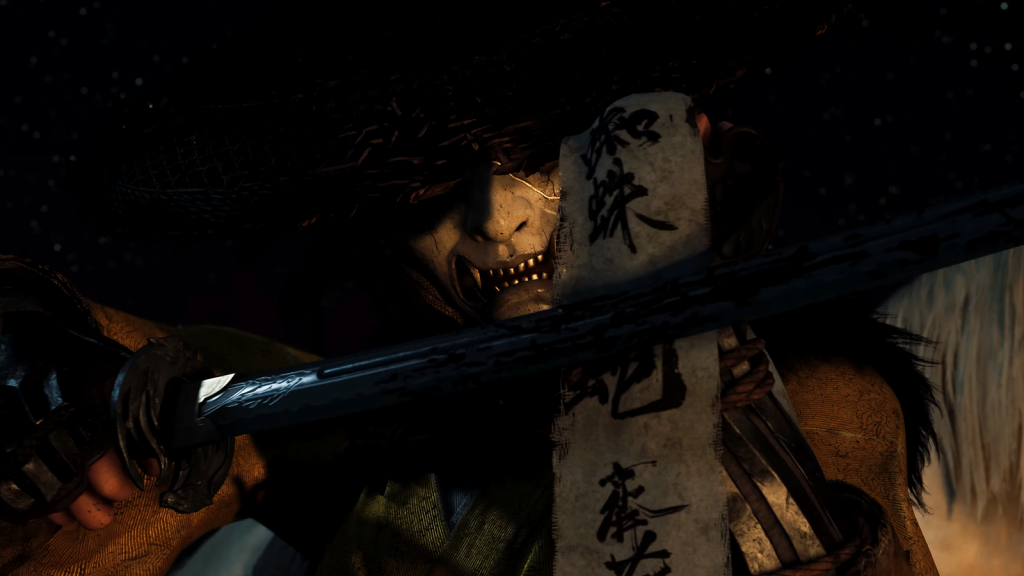
One of the most viral talking points among combat enthusiasts is Atsu’s distinct fighting philosophy. While Jin Sakai adhered strictly to single-blade swordplay alongside stealth ghost tactics, Atsu embraces dynamic multi-weapon combat. Teaser showcases reveal her wielding deadly dual katanas with terrifying fluid grace, a long-range kusarigama (chain-sickle) capable of disarming armored opponents, and early-era firearms that completely redefine mid-range skirmishes.
This tactical diversity changes the flow of open-world encounters. Much like how modern open-world masterpieces push mechanical boundaries—seen recently in how Monster Hunter Wilds Unleashes Arkveld with seamless ecosystem interactions—Sucker Punch is empowering players with unprecedented combat freedom. Atsu’s synergy with a wild companion wolf has also sparked feverish fan speculation, signaling tactical tag-team maneuvers in both stealth and open confrontations.
Erika Ishii and Sucker Punch: Crafting an Unapologetic Underdog
Bringing Atsu to life is actor Erika Ishii, whose intense voiceover and motion capture breathe visceral ferocity into the character. Unlike noble samurai seeking to preserve social order, Atsu’s quest is explicitly painted as an underdog’s struggle driven by blood vengeance and redemption. Creative director Nate Fox noted that the studio wanted to explore the meaning of wearing a mask from an entirely fresh perspective: what happens when the warrior has no clan, no master, and nothing left to lose?
This narrative depth ensures that Ghost of Yōtei won’t just be a cosmetic sequel. While expansive role-playing universes like Persona 6 explore modern thematic revolutions, Sucker Punch is grounding its narrative in raw historical realism and intimate human grit. The musical landscape, crafted with traditional Japanese instruments and haunting cinematic swells, promises to heighten every emotional beat of Atsu’s personal tragedy.
Why the Ghost Franchise Is PlayStation 5’s Ultimate Showcase
Built from the ground up to harness the full technical horsepower of the PlayStation 5, Ghost of Yōtei sets a benchmark in visual fidelity and environmental responsiveness. Enhanced particle physics bring rolling fog, individual drifting snowflakes, and swaying pampas grass to life with breathtaking detail. With lightning-fast SSD transitions and deep DualSense haptic feedback—letting players feel the clash of steel and the heavy rumble of distant thunders—the experience is engineered to pull gamers completely into the soul of 17th-century Japan.
What Do You Think?
Do you think moving away from Jin Sakai to introduce Atsu in 1603 Ezo was the right move for Sucker Punch? How do you feel about wielding dual blades and firearms against feudal outlaws? Share your thoughts and theories in the comments below!