Did Netflix just break one of anime’s most sacred traditions? When JoJo’s Bizarre Adventure: Steel Ball Run rolled out its latest episode, fans expected the usual stylish ending needle-drop. Instead, the credits sparked a heated online debate that had Johnny Joestar trending for reasons nobody predicted. From the choice of song to the names behind it, the backlash shows just how passionate the JoJo fandom can be when a beloved ritual changes.
A New Era for Steel Ball Run
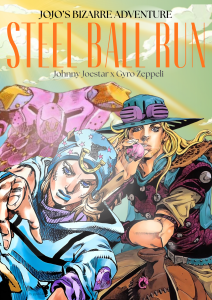
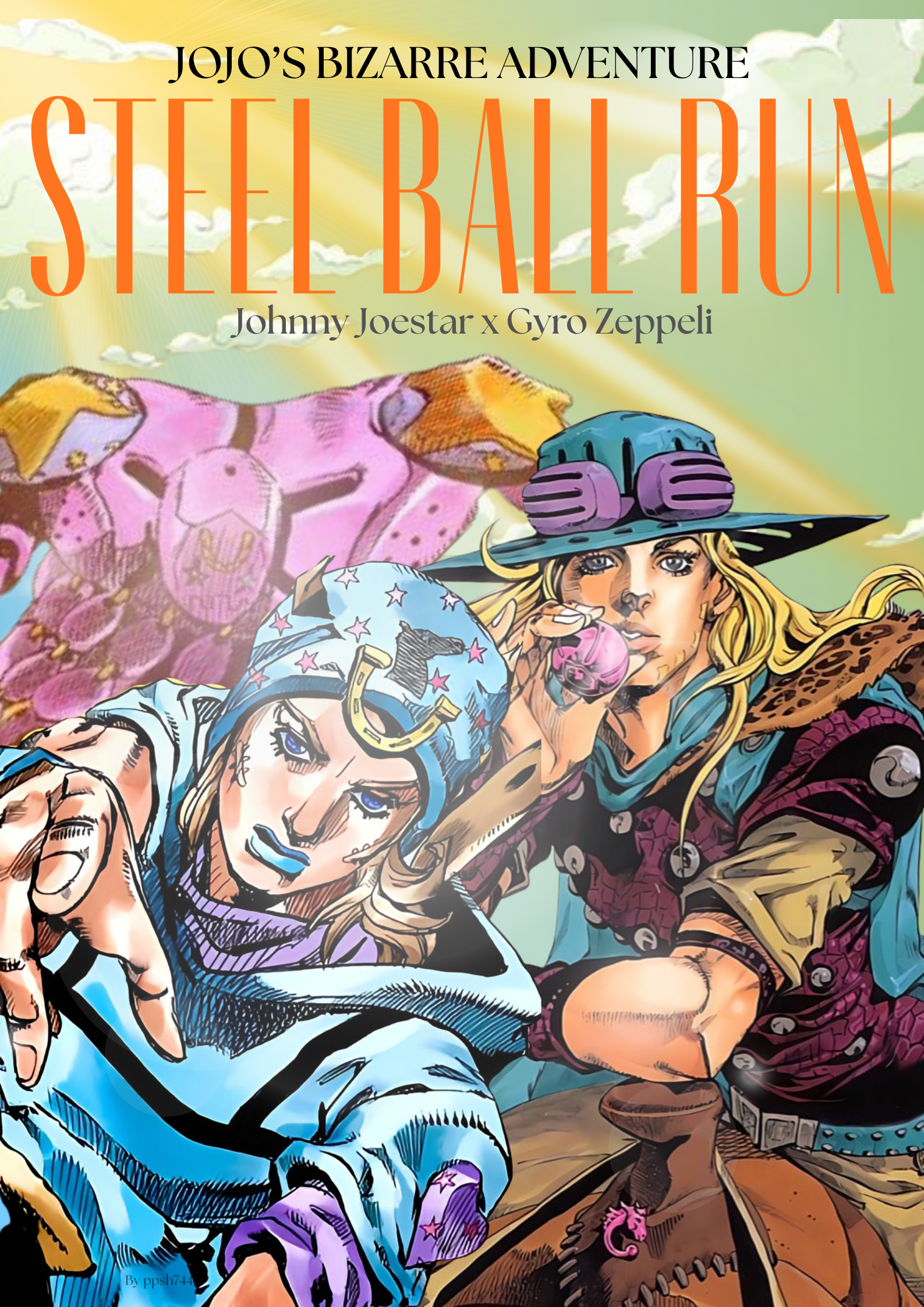
The Steel Ball Run anime adaptation has been one of the most anticipated projects in modern anime. Based on the manga by Hirohiko Araki, the story follows paraplegic former jockey Johnny Joestar and the mysterious executioner Gyro Zeppeli as they race across 1890s America in a brutal cross-country competition. After years of fan demand, David Production returned to animate the seventh part of the franchise, with Yasuhiro Kimura and Hideya Takahashi directing the series and Toshiyuki Kato serving as series director. The legendary composer Yugo Kanno also came back to shape the show’s sound.
Streaming globally on Netflix, the series carries enormous expectations. JoJo fans are known for celebrating every detail, from Stand designs to fashion references, and the ending themes have always been a major part of that culture. In a season packed with big anime comebacks like Neon Genesis Evangelion’s bold return, Steel Ball Run still managed to dominate the conversation.
Why the Ending Theme Hit a Nerve
The controversy centers on the ending theme “Dead or Alive,” performed by Japanese rapper Yuki Chiba. Previous JoJo anime seasons built a tradition of closing episodes with famous Western tracks, creating an iconic bridge between Araki’s music-loving manga and the anime audience. Fans have long associated JoJo endings with classic songs that feel timeless, surprising, and perfectly matched to the show’s eccentric energy.
For many viewers, the new ending felt like a sharp break from that identity. Social media replies under Netflix posts quickly filled with complaints, memes, and demands for a different track. Some fans argued the song’s tone did not fit the emotional weight of Steel Ball Run, while others were frustrated by the involvement of producer Dr. Luke, whose name added another layer of controversy to the conversation.
Fan Reaction: Passion, Memes, and Frustration
The JoJo community has never been quiet, but this reaction was especially loud. Comment sections turned into campaign boards, with fans posting the same requests over and over. The moment became bigger than a music choice; it became a debate about what makes JoJo feel like JoJo. When a franchise has spent years building trust through bold stylistic decisions, even one change can feel personal.
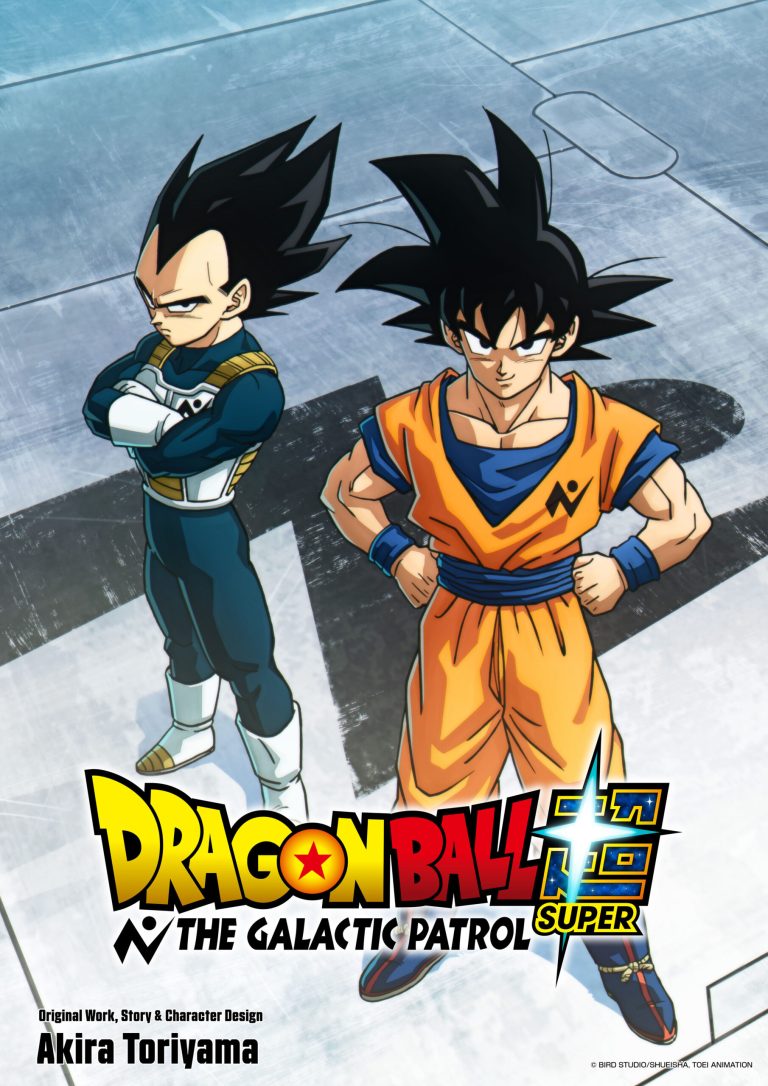
At the same time, not everyone hated the song. Some viewers defended the creative team for trying something new and argued that Steel Ball Run is a reinvention of the series, so its music should evolve too. That split is exactly what made the topic viral: it gave fans something to argue about, remix, and share. It’s the same kind of fandom energy we’ve seen around other hyped releases, including Dandadan Season 3’s wild confirmation and the massive buzz behind Dragon Ball Super: The Galactic Patrol.
Can Netflix or David Production Change Course?
The big question is whether fan pressure can actually reverse the decision. Anime music licensing, production schedules, and international streaming contracts can make late changes difficult. Even if Netflix hears the feedback, replacing an ending theme is not as simple as swapping a playlist track. It involves rights holders, publishers, and production committees.
Still, the uproar proves one thing: Steel Ball Run matters. People are not just watching casually; they are invested in every frame, every beat, and every creative choice. For David Production, the challenge is to keep that passion alive while steering the adaptation through one of Araki’s most ambitious stories.
The Bigger Picture for JoJo’s Future
Controversies come and go, but great anime moments last. Johnny Joestar’s journey is only beginning, and Gyro Zeppeli’s spin is already winning over new viewers. If the story delivers the emotional highs fans expect from Steel Ball Run, the ending theme debate may eventually become a footnote in a much bigger success story.
For now, the conversation around “Dead or Alive” has made one thing clear: JoJo fans are watching closely, and they care deeply.
What Do You Think?
Did Netflix and David Production make a bold creative move, or should JoJo stick to its classic Western ending tradition? Do you think “Dead or Alive” fits Steel Ball Run, or would you swap it for a different song? Drop your take in the comments and tell us which ending theme is your all-time favorite.