

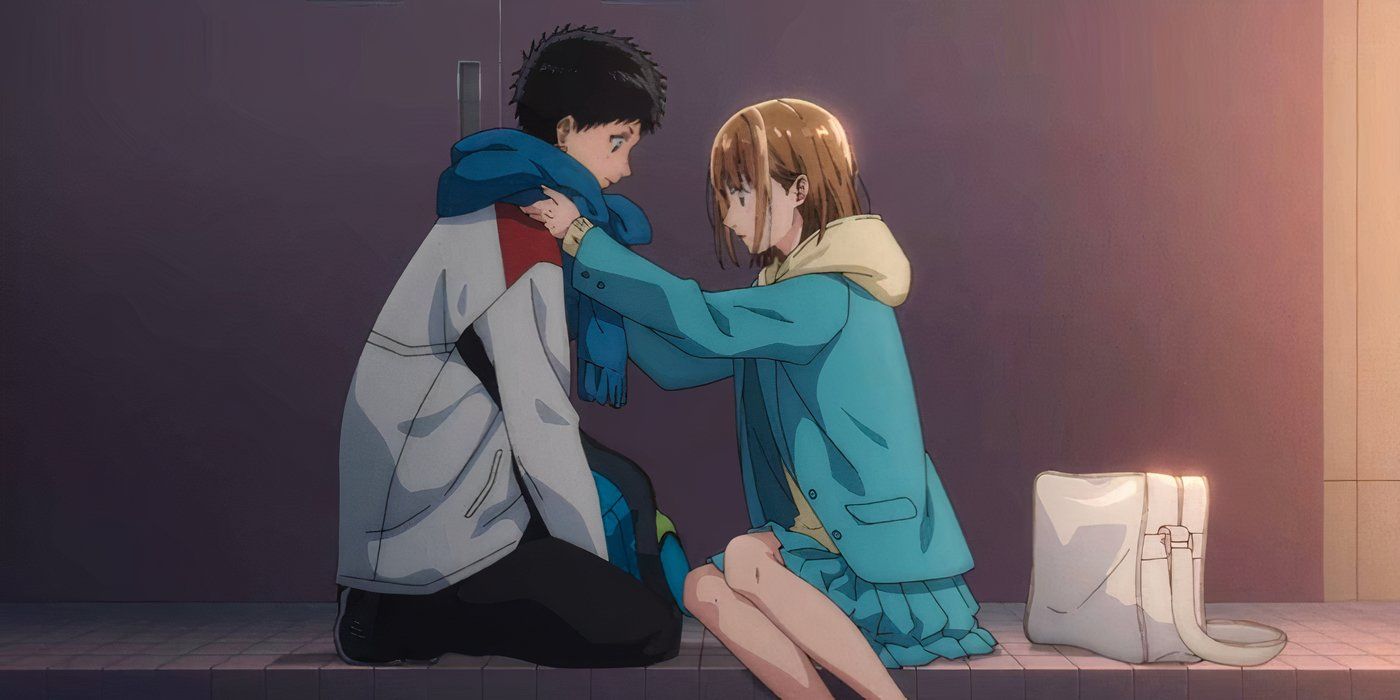
Have you ever watched an anime where every heartbeat feels so raw, innocent, and painfully relatable that you forget to breathe? While high-octane battle shonen titles dominate today’s streaming landscape, a quiet revolution is taking over Netflix and Weekly Shonen Jump. Blue Box (Ao no Hako), the breakout sports-romance masterpiece created by mangaka Kouji Miura and brilliantly adapted by Telecom Animation Film, has officially become the internet’s newest obsession. The tender yet fiercely competitive dynamic between badminton striver Taiki Inomata and basketball phenom Chinatsu Kano has completely captivated global audiences—proving that pure sincerity can still outshine flashy special effects.
The Magic of Eimei Junior and Senior High: Ambition Meets Young Love
Unlike typical romantic comedies that rely on contrived misunderstandings, cringe-worthy harems, or sluggish will-they-won’t-they tropes, Blue Box grounds its emotional stakes in genuine discipline and sweat. Set within the storied athletic halls of Eimei Junior and Senior High School, the narrative begins with Taiki Inomata—a determined third-year junior high (and later high school) badminton player who arrives at the gymnasium every morning at the crack of dawn. His solitary training routine has one radiant constant: Chinatsu Kano, a gifted upperclassman on the girls’ basketball team who practices shooting hoops with unwavering dedication.
Taiki’s admiration for Chinatsu starts from a distance, idolizing her athletic work ethic and quiet resilience. However, their lives are turned completely upside down due to an unexpected family arrangement: after Chinatsu’s parents move abroad for work, Chinatsu moves in to live with the Inomata household. Sharing the same roof introduces an electrifying tension—forcing both teenagers to navigate their blossoming feelings while protecting their shared athletic dreams. As Taiki pushes himself to qualify for the prestigious National Tournament (Inter-High), Chinatsu carries the heavy expectations of carrying Eimei’s basketball squad to glory.
A Stellar Voice Cast Bringing Kouji Miura’s Characters to Life
Telecom Animation Film delivered a stunning adaptation under the visionary direction of Yuichiro Yano, renowned for balancing athletic dynamism with breathtaking cinematic intimacy. Much of the anime’s resonance stems from its brilliant voice acting cast:
- Taiki Inomata (Voiced by Shoya Chiba): Chiba captures Taiki’s endearing mix of earnest vulnerability and fierce competitive fire with masterful nuance.
- Chinatsu Kano (Voiced by Reina Ueda): Ueda brings a gentle warmth, mature grace, and underlying vulnerability to Chinatsu that instantly endears her to viewers.
- Hina Chono (Voiced by Akari Kito): Playing Taiki’s sharp-tongued childhood friend and rhythmic gymnastics prodigy, Kito injects palpable emotional conflict into the narrative as feelings evolve beyond mere friendship.
- Kengo Haryu (Voiced by Chiaki Kobayashi): The formidable badminton ace and senior rival who continuously challenges Taiki to surpass his physical and mental limits.
This stellar ensemble ensures that every training montage, every stolen glance in the hallway, and every drop of sweat in the gymnasium feels authentic and deeply resonant. The subtle gestures—from the squeak of sneakers on polished gym hardwood to the rhythmic bounce of a basketball—are rendered with astonishing fidelity.
Why Blue Box Dominates the Romance and Sports Genre
The secret behind Blue Box‘s explosive viral momentum lies in its dual identity. It does not treat sports as mere window dressing for a romance, nor does it sideline the romance for tournament matches. Kouji Miura struck gold by establishing that Taiki’s romantic feelings are fundamentally intertwined with his athletic ambition. He wants to stand on equal footing with Chinatsu, meaning he cannot slack off on the badminton court if he hopes to earn her respect.
Furthermore, the emotional maturity of the characters sets Blue Box apart from its contemporaries. Misunderstandings are addressed with honest introspection rather than melodrama. Taiki’s loyalty and respect toward Chinatsu make him one of the most refreshingly wholesome shonen protagonists in recent memory. Across international fan communities, viewers who typically gravitate toward adrenaline-fueled action series like Chainsaw Man: Reze Arc and Bleach: Thousand-Year Blood War find themselves thoroughly enraptured by the pure, heartwarming nostalgia of Eimei High.
The Road to Nationals: What Makes the Future So Thrilling?
As the competitive season progresses, the stakes multiply for everyone involved. Taiki must face elite badminton contenders while grappling with his growing feelings for Chinatsu and the subtle jealousy stirring in Hina. For Chinatsu, the looming pressure of tournament elimination tests her resolve as an athlete and as an older sister figure who is slowly realizing her own emotional attachment to Taiki.
With Telecom Animation Film’s expressive visual direction, lush lighting, and poignant soundtrack, every episode leaves fans eager for more. In an anime era saturated with high-stakes battles and dark fantasy, Blue Box stands tall as a testament to the timeless beauty of high school sports and first love.
What Do You Think?
Are you rooting for Taiki Inomata to conquer the Inter-High badminton tournament and win Chinatsu Kano’s heart, or do you find yourself sympathizing with Hina Chono’s unrequited devotion? How does Blue Box compare to your all-time favorite romance and sports anime? Share your thoughts, predictions, and favorite moments in the comments below!