



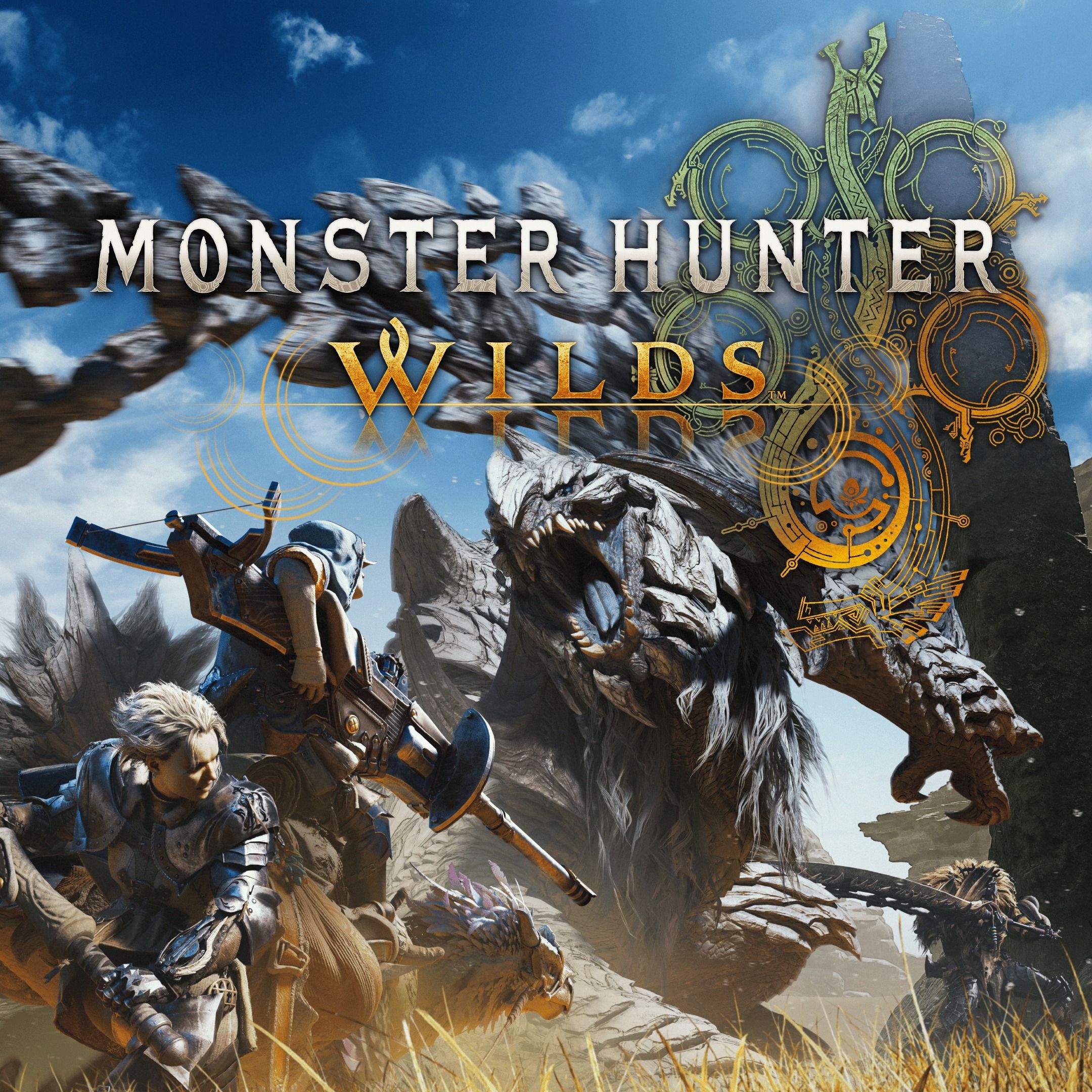
When Capcom unleashed the first hands-on previews and expanded open beta sessions for Monster Hunter Wilds, hunters across the globe braced themselves for evolution—but nobody expected an overhaul this radical. Directed by Yuya Tokuda alongside longtime series producer Ryozo Tsujimoto and executive director Kaname Fujioka, the upcoming titan doesn’t just refine the legendary hunting formula; it dismantles standard open-world action conventions to craft an uncompromising, living ecosystem. If you thought adapting to the Wirebugs in Rise or the guiding Scoutflies of World was an adjustment, prepare yourself: the Forbidden Lands will test every single habit you have formed over the past two decades.
The Evolution of Dynamic Ecosystems: Weather Shifts and Living Herds
The hallmark of Monster Hunter Wilds lies in its unprecedented scale and environmental dynamism. During our extensive hunts across the Windward Plains, the environment ceased to be merely a hunting backdrop—it transformed into an unpredictable antagonist. Under the supervision of environmental leads at Capcom, the territory shifts seamlessly through distinct phases: the harsh Fallow periods where scarce resources trigger hyper-aggressive behavior among starving monster packs, and the flourishing Inclemency phase, marked by violent lightning storms known as the Sandtide.
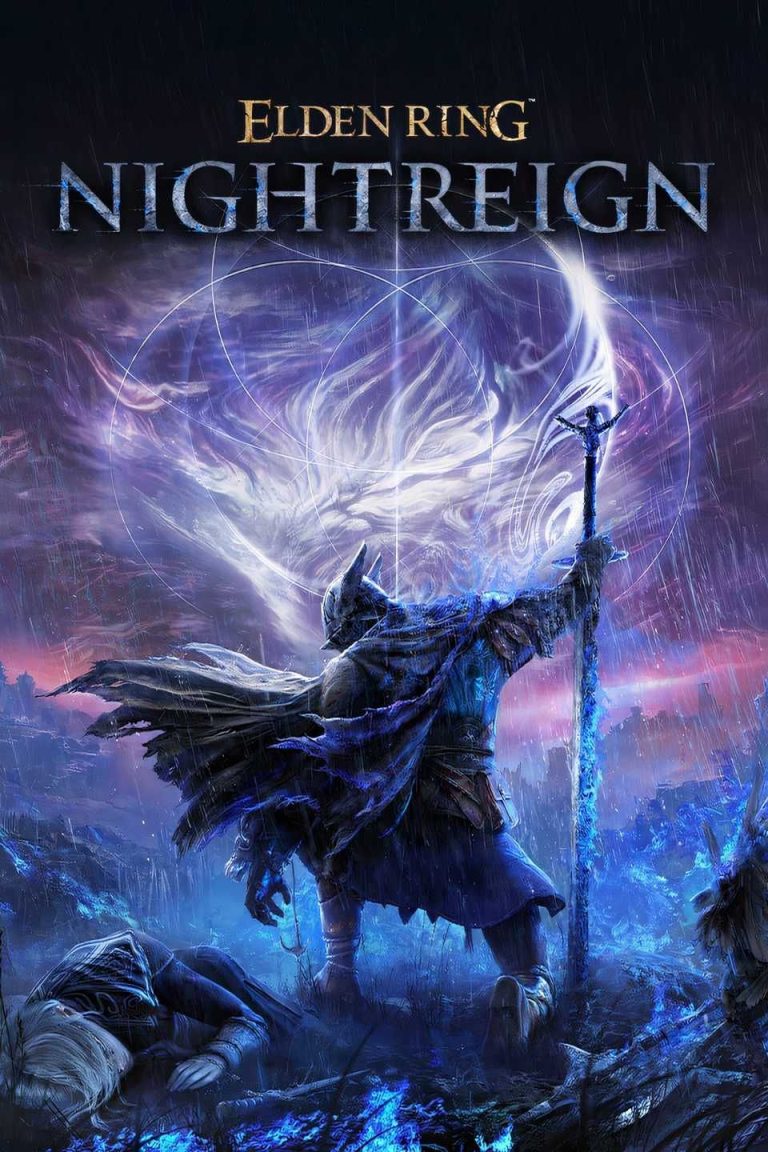
Unlike previous entries where monsters roamed in isolated paths, Wilds features authentic herd mechanics. Large predators stalk in packs, alpha beasts command coordinated defensive perimeters, and herbivores stampede when apex terrors like Doshaguma or Balahara emerge from shifting desert sinkholes. Engaging a target is no longer just about memorizing frame data and hitboxes; it demands acute territorial awareness, forcing hunters to leverage localized flash traps, crumbling stone pillars, and environmental pitfalls before a secondary predator interrupts the brawl. For enthusiasts seeking grand, meticulously crafted multiplayer experiences akin to the brutal encounters found in the Elden Ring Nightreign Everdark Sovereign Challenge, Capcom’s living, breathing arena sets a blistering new benchmark.
Focus Mode and Precision Wounding: Surgical Combat Refined
At the mechanical epicenter of this revolution sits the newly introduced Focus Mode. By holding the targeting trigger, hunters can freely manipulate the camera and weapon aim simultaneously, executing pinpoint strikes against specific monster parts regardless of which direction their hunter’s torso is turned. This fundamental shift eliminates the vintage stiffness of heavier armaments while introducing dynamic precision wounding.
Repeatedly pummeling a specific limb or armored hide creates visible, bleeding wounds. Once exposed, activating a Focus Strike triggers a devastating cinematic counter that inflicts catastrophic stagger damage, destroys monster armor platings, and extracts critical crafting materials right in the middle of battle. Whether you are wielding the Great Sword, charge blade, or heavy bowgun, combat feels visceral, fluid, and surgically calculated. Capcom has effectively merged the technical depth of old-school positioning with modern responsive action pacing, ensuring that every hunt feels like an intense duel rather than a slugfest.
Seikret Mounts and Seamless Dual-Weapon Loadouts
Traversing these colossal biomes is made effortless thanks to the Seikret, a remarkably agile raptor-like companion capable of navigating sheer cliff faces, gliding over deep ravines, and auto-tracking targets across harsh terrain. Yet the true tactical brilliance of the Seikret lies in its saddlebags. For the very first time in franchise history, hunters can stow a secondary weapon, allowing seamless weapon swapping mid-expedition without returning to base camp.
This single feature shatters traditional party composition constraints. A solo hunter can now initiate an encounter with a long-range Bow or Light Bowgun to apply elemental blights and inflict piercing status ailments from a distance, then whistle for their Seikret, hot-swap to a Hammer or Switch Axe, and close the distance to exploit opened wounds with crushing blunt trauma. Combined with mobile item crafting, portable cooking sets, and instant field camp deployments, the flow of exploration never grinds to a halt. If you have been keeping tabs on major technical achievements across modern gaming showcases, much like the jaw-dropping reveals highlighted in our coverage of Pokémon Legends: Z-A Lumiose City mechanics, Monster Hunter Wilds stands as an undisputed technical marvel of ninth-generation gaming.
Arkveld and the Enigma of the White Wraith
Behind the exhilarating mechanics lies a gripping narrative mystery centered on Arkveld, the mysterious flagship monster affectionately dubbed the “White Wraith.” Boasting unique chain-like wing appendages that whip across the battlefield like razor-sharp scythes, Arkveld belongs to a species thought to have been eradicated centuries ago. Uncovering why this apex anomaly has resurfaced within the Forbidden Lands forms the dramatic core of the Research Commission’s expedition, guided by the sharp administrative leadership of guild handler Alma and skilled blacksmith artisan Gemma.
Every hunt inches closer to uncovering an ancient civilizational collapse, blending intricate high-fantasy worldbuilding with Capcom’s renowned creature biology. As Capcom continues optimizing weapon frame pacing and multiplayer netcode, it is clear that Monster Hunter Wilds is poised to be one of the most transformative action RPGs of this generation.
What Do You Think?
Are you excited to master Focus Mode and take down Arkveld in Monster Hunter Wilds, or are you still committed to your classic weapon playstyles from Monster Hunter World and Rise? Which weapon pairing are you planning to pack onto your Seikret saddle first? Drop your thoughts, favorite weapon combos, and hunting strategies in the comments below!






One thought on “Monster Hunter Wilds Gameplay Deep Dive: How Capcom’s Focus Mode and Apex Apex Predators Are Redefining Action RPGs”