


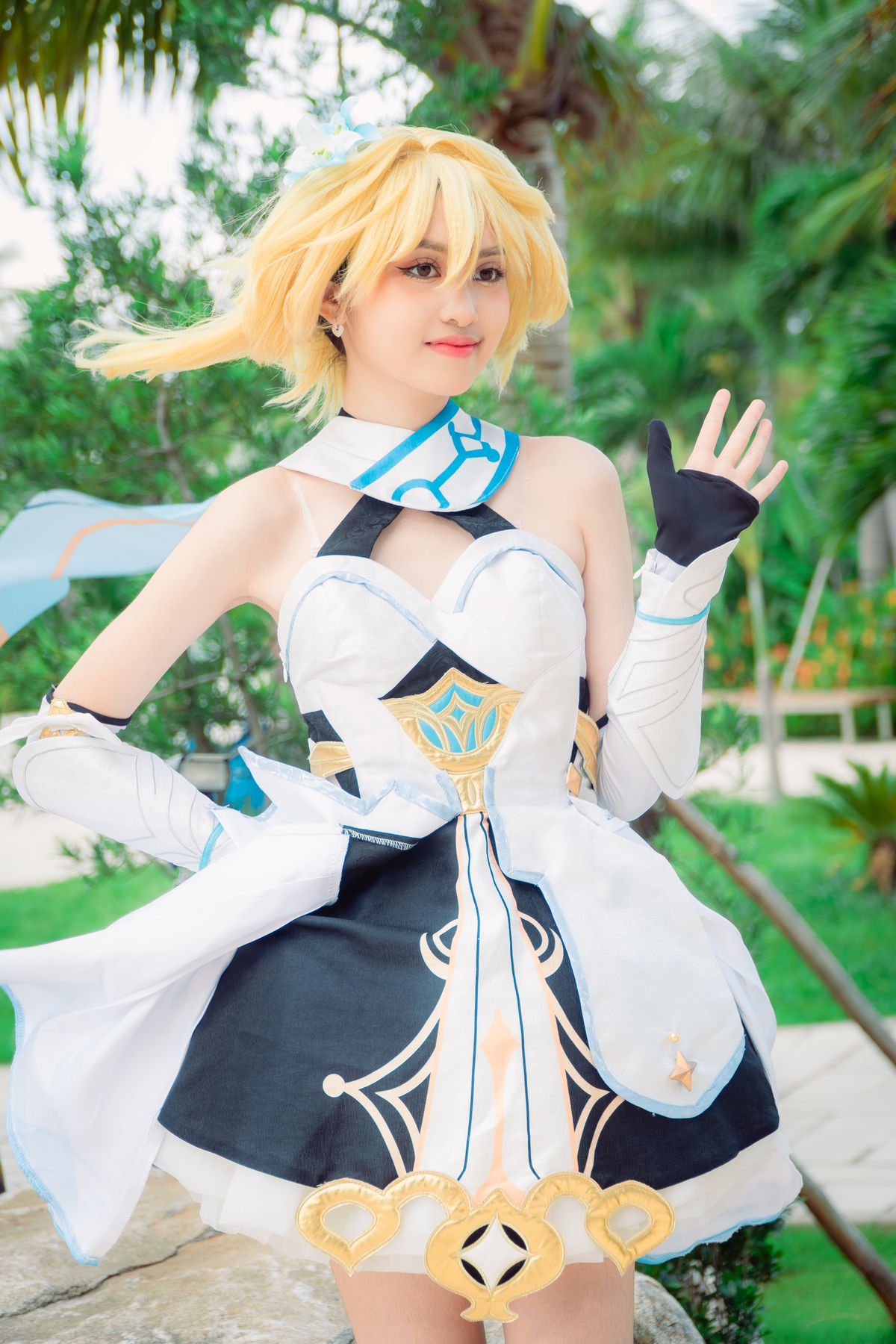
Imagine sitting in a voice chat and hearing Paimon’s unmistakable squeaky tone — coming from a complete stranger. That’s not a fever dream; that was a real product. An AI voice service in China has been letting users talk in the voices of 63 Genshin Impact characters in real time. And this week, the bill finally arrived: a Shanghai court ordered the company to pay miHoYo roughly $112,000 (750,000 yuan) in damages — and the ruling reads like a warning shot for the entire AI voice industry.
The Case: 63 Stolen Voices, One Massive Lawsuit
The unnamed Shanghai-based AI provider ran a voice conversion service that let users change their voices in real time using downloadable “voice packs.” According to miHoYo, the company reproduced the voices of 63 Genshin Impact characters without permission and sold those voice packs for profit. That wasn’t the end of it — the service also:
- Created promotional videos using Genshin Impact character art and in-game animation
- Used modified images of the characters as avatars for its voice packs
- Let users preview character dialogue before buying
miHoYo didn’t mess around. It demanded 5 million yuan (about $746,000) in damages plus an immediate injunction, arguing copyright infringement and unfair competition. The court, however, landed on a more modest sum — but the reasoning behind the ruling is what has the industry talking.
How the AI Company Tried to Defend Itself — and Failed
The defendant’s defense strategy was exactly what you’d expect from an AI company in 2026. First, it argued that its voices were generated by large-scale AI training models, meaning the output varied depending on what the user input — so it wasn’t “reproducing” anything. Second, it claimed that voice rights belong to the voice actors themselves, not to miHoYo, so the game developer had no standing to sue.
Both arguments collapsed in court. A voiceprint analysis found that the AI service’s output and the actual Genshin Impact character voices had “nearly identical characteristics.” And in a moment of courtroom honesty, the defendant admitted to mixing one minute of audio from a Genshin character with other materials to train its voice conversion model. One minute of stolen audio. That’s all it took to sink the case.
Why This Ruling Is a Bigger Deal Than the $112K
Let’s be honest: for a company of miHoYo’s size, $112K is pocket change. The real bombshell is what the court actually said. The judges ruled that Genshin Impact’s character designs and in-game footage qualify as artistic and audiovisual works — that part was expected. But here’s the groundbreaking bit: after years of operation, Genshin Impact’s character voices function as a distinguishing mark that lets consumers identify the source. In plain English: the court treated character voices as something close to a trademark.
That means cloning a character’s voice isn’t just copyright infringement — it’s unfair competition, an imitation that could fool consumers into thinking the AI service was official miHoYo product. The company was ordered to stop immediately, and the judgment became final after the defendant withdrew its appeal. Game over.
The AI Voice Crisis Isn’t Going Anywhere
This case lands in the middle of an escalating war over AI voices in anime and gaming. Just this week, Studio Ghibli’s Toshio Suzuki broke his silence on AI-generated art with a brutally honest one-word answer. Meanwhile, Evangelion and Danganronpa legend Megumi Ogata has publicly said she’s “heartbroken” over unauthorized AI voice generation, asking why Japan can’t establish content guidelines. Voice actors on both sides of the Pacific have been sounding the alarm — and this Shanghai ruling gives them actual ammunition.
For fans, the implications are huge. AI voice cloning has been a gray area for years, with hilarious memes and horrifying deepfakes living side by side. This ruling draws a line: if you train an AI on a character’s voice and sell it, you’re stealing — even if you train it on a massive model, even if you argue the output is “transformative.”
Who’s Next in the Crosshairs?
miHoYo is already hyperactive on the AI front. The company recently pulled the plug on its own AI-powered “virtual girlfriend” simulator BSide: Olivia Lin less than two months after launch, and it’s clearly watching the AI space closely. If a Chinese court can protect Genshin voices, the same logic applies to:
- Other gacha giants — Star Rail, Zenless Zone Zero, and Wuthering Waves characters are just as cloneable
- Anime studios — imagine the chaos if copyrighted anime lines become training data for fan-made AI dubs
- VTubers and streamers — their entire identity is a voice, and AI clones are already everywhere
Some speculate this ruling pushes China toward formal AI voice legislation, which would put it ahead of Japan — where Ogata says guidelines still don’t exist. Others think it’ll simply drive the shady services underground, into decentralized platforms where lawsuits can’t reach them. Either way, one thing is certain: the era of free AI voice cloning is ending.
The Fans Are Already Buzzing
Reactions across social media are split. Some fans are celebrating the win as a victory for voice actors, noting that the court’s “distinguishing mark” logic protects the soul of the characters they love. Others are mourning — let’s face it, AI voice memes of Paimon arguing with Aether in random Discord servers were funny while they lasted. And a third camp is asking the uncomfortable question: if voices now function as trademarks, what does that mean for fan dubs, parody content, and community projects that have always operated in good faith?
For the latest on where Genshin Impact is headed next, check out our breakdown of the massive 7.0 Snezhnaya update that’s breaking every miHoYo record, and how miHoYo’s new cozy game Petit Planet is coming for Animal Crossing’s crown. The company is expanding everywhere — but it’s also defending what it built.
Final Verdict
The $112K payout is a rounding error for miHoYo. But as a legal precedent, it’s one of the strongest statements yet that a character’s voice is property — real, protectable property. For AI companies, the message is simple: ask permission, or prepare for the lawyers. For fans, the takeaway is wilder than it looks: the voices you hear in Genshin Impact are now officially recognized as part of what makes the game identifiable. Your favorite character’s voice isn’t just acting anymore. It’s a brand.
So here’s the question: do you think AI voice cloning should be banned outright, or should it be legal with permission and licensing — and would you pay for an official “Paimon voice pack” if miHoYo sold one? Drop your take in the comments — the AI voice war is only getting started.