



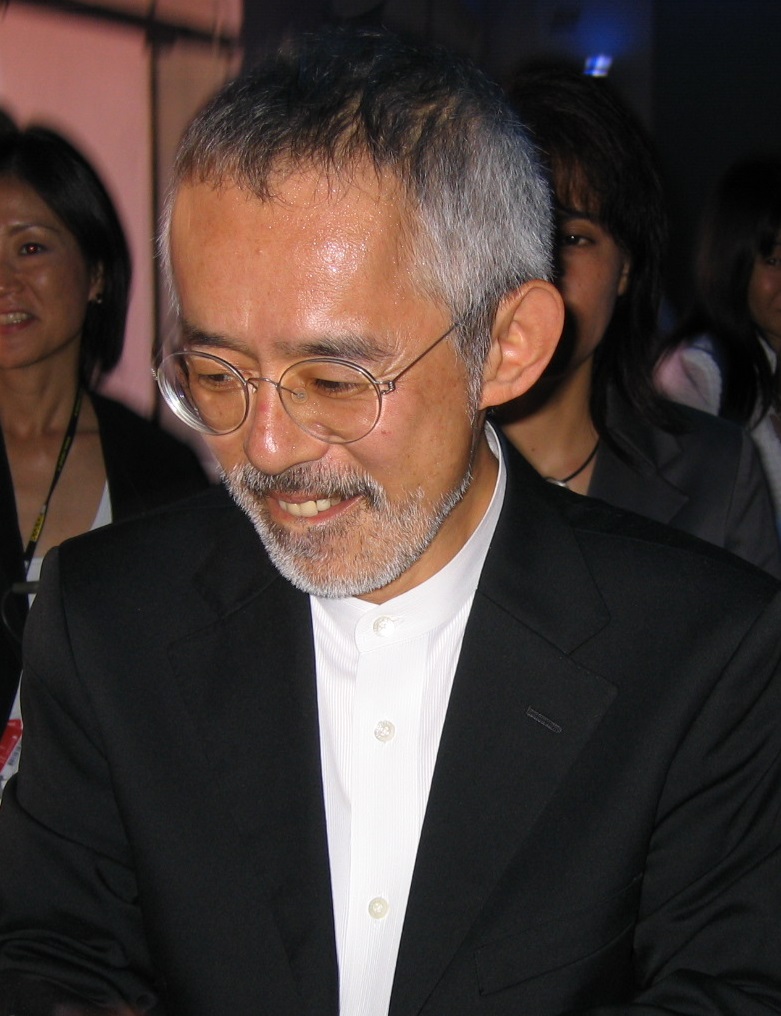
He stayed quiet for over a year while millions of “Ghibli-style” AI images flooded the internet. Now Studio Ghibli co-founder Toshio Suzuki has finally spoken — and his verdict on generative AI is far blunter than anyone expected.
In an interview with The Asahi Shimbun published this week, Suzuki addressed the viral trend head-on for the first time. The legendary producer revealed that Ghibli had received countless press inquiries about AI-generated images mimicking the studio’s iconic look, but deliberately chose silence. His reason? He was waiting for the hype to die on its own.
“As Expected, They Got Bored” — Suzuki’s Cold Take on the AI Trend
Suzuki explained that he believed people would eventually get bored of those AI images. Quote: “As expected, they did.” It is a remarkably dismissive assessment from one of animation’s most influential figures — and it lands like a mic drop.
The producer went further, arguing that generative AI can produce certain types of animation, but anyone with real knowledge of the craft can immediately tell whether imagery was made by a human or a machine. For a studio built on hand-drawn artistry, that distinction is everything.
Why AI Can Never Copy Totoro — the Stomach Test
When asked directly whether AI could ever mimic a genuine Studio Ghibli work, Suzuki gave a flat one-word answer: “No.”
He then offered a fascinating example. Pointing to My Neighbor Totoro‘s title character, Suzuki explained that when Hayao Miyazaki draws someone pressing Totoro’s stomach, he always makes sure there is a visible depression in the fur. That tiny detail — the squash, the weight, the softness — may look simple, but neither CGI nor AI can replicate the feeling behind it.
It is the kind of observation only a producer who has watched Miyazaki work for four decades could make. The soul of Ghibli is not in the style. It is in thousands of micro-decisions that no dataset can capture.
Miyazaki Does Not Even Know Generative AI Exists
Perhaps the most delightful revelation from the interview: Hayao Miyazaki himself has no idea generative AI even exists.
Suzuki revealed that the legendary director completely shut himself off from news and information while working on the Oscar-winning The Boy and the Heron. During that period, Miyazaki did not use his smartphone, did not read newspapers, did not watch TV — and even stopped socializing.
Suzuki observed the irony beautifully: AI is essentially the gathering of information, but Miyazaki’s creative method is the exact opposite — total isolation, total inward focus. While the tech world scrapes the internet to imitate him, the man himself was unreachable, drawing in silence.
Will Miyazaki Make Another Film?
Fans hungry for one more Miyazaki masterpiece got a bittersweet update. Suzuki candidly admitted that Miyazaki absolutely still has the desire to make more films — but whether he, and his aging body, can actually pull it off is a different question entirely.
Still, there is hope. Suzuki noted that Miyazaki continues to dream up unusual conceptual ideas, including the Panorama Box exhibition at Ghibli Park. The fire clearly has not gone out. After decades of supposedly “final” films, nobody should count the master out.
Why This Interview Matters for the Whole Anime Industry
Suzuki’s comments land at a moment when the anime world is wrestling hard with AI. From automated in-betweening to AI-assisted backgrounds, studios across Japan are debating where the line should be drawn. Having Ghibli — the most respected name in the business — plant its flag so firmly on the human side sends a powerful signal.
It also reframes the conversation. The question is not whether AI images look like Ghibli. It is whether they feel like Ghibli — and according to the man who helped build the studio alongside Miyazaki and Isao Takahata, the answer will always be no.
For context, Suzuki has been with Ghibli since its earliest days, serving as producer on classics from Princess Mononoke and Spirited Away to Howl’s Moving Castle and Ponyo. When he speaks about what makes animation art, the industry listens.
What Do You Think?
Suzuki says real animators can always spot AI work — do you agree, or has generative AI gotten good enough to fool you? And the bigger question: should studios embrace AI tools to survive, or is hand-drawn purity worth protecting at any cost?
Drop your hottest take in the comments — is “Ghibli-style AI” harmless fun, or straight-up theft of Miyazaki’s legacy?
One thought on “Studio Ghibli Producer Finally Breaks Silence on AI Art — And His Answer Is Brutal”