Seven years. That is how long fans waited for Team Cherry to release Hollow Knight: Silksong — and when it finally dropped on September 4, 2025, the internet simply could not handle it. Steam crashed. The eShop buckled. And within 24 hours, Hornet’s debut adventure had already rewritten the record books for indie game launches. One year later, the aftershocks are still reshaping the industry.
But here is the twist nobody saw coming: the real story is not the launch anymore. It is what Team Cherry is quietly building next — and the clues have been hiding in plain sight in Pharloom all along.
Silksong Broke Steam Before Most Players Even Got In
Let us put the numbers in perspective. On launch day, Hollow Knight: Silksong peaked at over 500,000 concurrent players on Steam alone — a figure that dwarfs the original Hollow Knight’s lifetime peak and rivals full-priced AAA releases. The Steam store itself went down under the load, with thousands of players staring at error pages instead of the mossy grottos of Pharloom.
Nintendo’s eShop fared no better. The Nintendo Switch version briefly vanished from search results as servers struggled, while the PlayStation 5 and Xbox Series X storefronts reported delayed unlocks across multiple regions. For a $20 indie title from a three-person team in Adelaide, Australia, this was unprecedented.
Review aggregator Metacritic tells the rest of the story. Silksong opened with a critic average in the low 90s, with outlets calling it a generational metroidvania that surpasses its predecessor in nearly every way. Player reviews flooded in at “Overwhelmingly Positive” — Steam’s highest possible tier — within hours.
Why Hornet Changed Everything
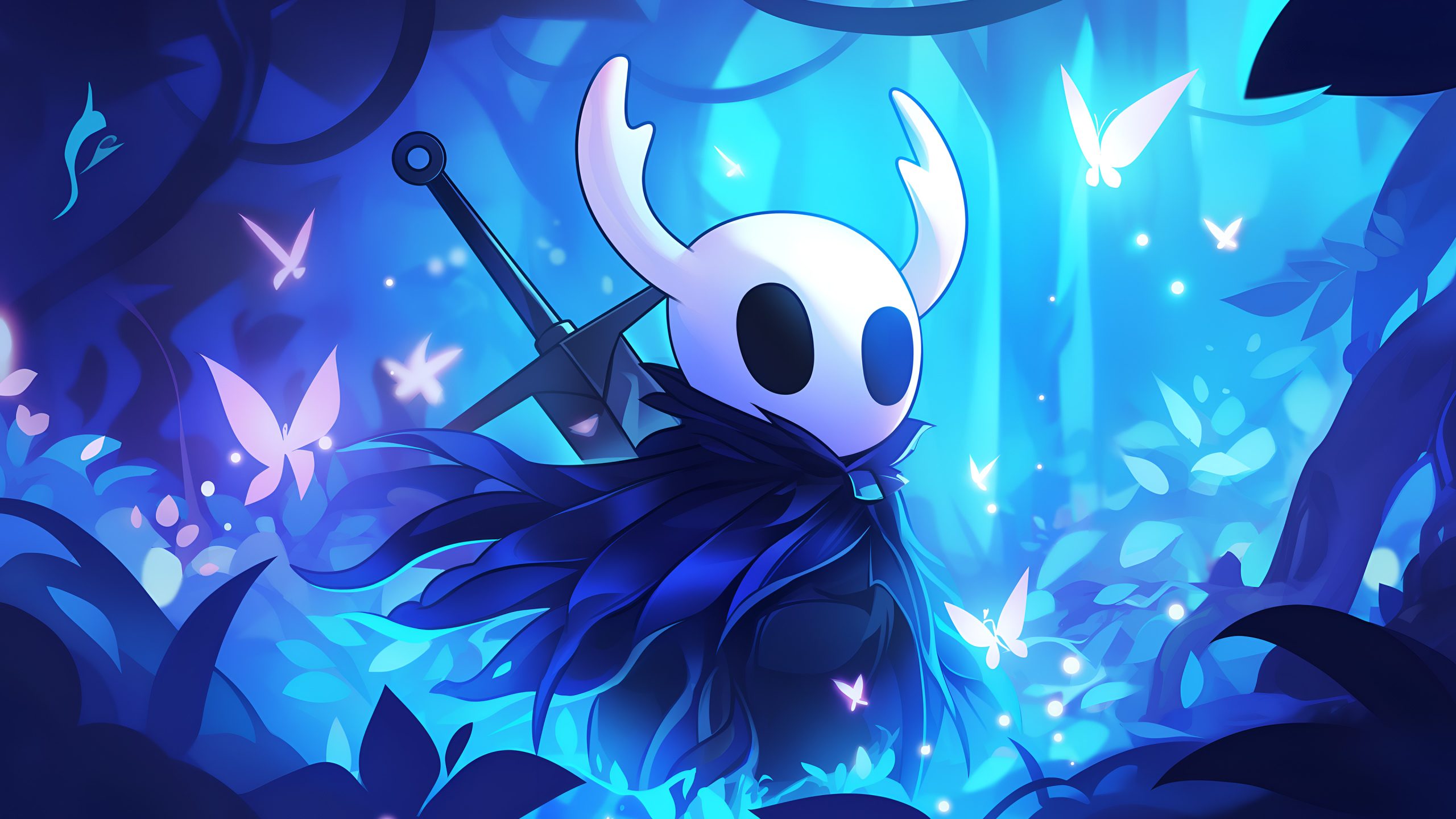
The original Hollow Knight starred the Knight, a silent, nail-swinging vessel exploring the fallen kingdom of Hallownest. Silksong flips the formula: you play as Hornet, the princess-protector of Hallownest, kidnapped and taken to the haunted kingdom of Pharloom — a land ruled by silk and song.
Hornet is faster, louder, and far more acrobatic than the Knight ever was. Her needle-and-thread combat rewards aggression: she can sprint, craft traps and tools on the fly, and heal while moving — a direct answer to the most common complaint about the original game’s slower pace. Bosses like Lace, the masked duelist, and the Widow have already entered the pantheon of hardest indie bosses ever designed, with community death counts in the millions.
The crafting system deserves special mention. Using shell shards collected across Pharloom, Hornet builds tools — from buzzsaws to silk snares — that fundamentally change how each area plays. It is the kind of systemic depth you expect from a FromSoftware title, not a $20 indie sequel.
Team Cherry’s Silence Speaks Volumes
Here is where things get interesting. Since launch, Team Cherry — founders Ari Gibson, William Pellen, and composer Christopher Larkin — have said almost nothing about the future. No roadmap. No DLC announcement. Just one cryptic line in a blog post: “Hornet’s journey does not end at the citadel.”
Fans have seized on that sentence. Dataminers digging through Silksong’s files claim to have found references to unreleased areas, including a flooded district beneath Pharloom’s lowest bellway station and an unused boss arena tagged “Songclave.” None of this is confirmed — but Team Cherry has a history here. The original Hollow Knight received four major free content packs, including Godmaster and Grimm Troupe, long after release.
If history repeats, Silksong’s first expansion could be the biggest indie DLC drop ever. And with the game now sitting on tens of millions of copies sold across Steam, Switch, PlayStation, and Xbox Game Pass, Team Cherry can afford to dream bigger than ever.
The $20 Price Tag That Humbled AAA
Maybe the most viral part of the Silksong phenomenon is economic. At $19.99, Silksong launched at a third of the price of most AAA games — yet outperformed nearly all of them critically and commercially in its launch window. Industry analysts have called it a “pricing earthquake,” proof that players reward craftsmanship over marketing budgets.
Compare that to the $70 standard set by Sony, Microsoft, and Nintendo flagships, and the contrast is brutal. Silksong did not need a cinematic universe, a battle pass, or day-one microtransactions. It needed silk, steel, and seven years of polish.
What This Means for the Tokyo Game Show and Beyond
With the Tokyo Game Show 2026 just weeks away, all eyes are on whether Team Cherry makes a surprise appearance. The studio famously avoids the spotlight, but a DLC teaser on a TGS stage would break the Japanese internet overnight. Other indie darlings — from Hades 2 to the next Stardew Valley-scale phenomenon — are now chasing the Silksong blueprint: stay silent, ship excellence, price fairly.
One thing is certain: Hornet is now gaming royalty. Fan art floods Pixiv daily, speedrunners have already pushed any-percent times under two hours, and the Silk Soul mode — Silksong’s answer to Steel Soul permadeath — has ended more friendships than any party game of 2026.
What Do You Think?
Did Silksong live up to seven years of hype for you — or did the difficulty spikes in Pharloom’s late game push you away? And what is your take on Team Cherry’s cryptic tease: free DLC, paid expansion, or a full sequel announcement at Tokyo Game Show 2026? Drop your hottest Hornet build and your boldest prediction in the comments — the best theory might just deserve its own article. (˶ᵔ ᵕ ᵔ˶)
Related Reading on Wibux
- GTA 6 Release Date Officially Locked for November 19, 2026 — Jason, Lucia, and Why Analysts Say It Will Make $3 Billion
- Gundam Rogue Orbit: Game Mecha dengan Aksi Smooth yang Wajib Kamu Coba di 2026
- PlayStation State of Play September 2026: Semua Pengumuman dan Game Terbesar yang Wajib Kamu Tahu