


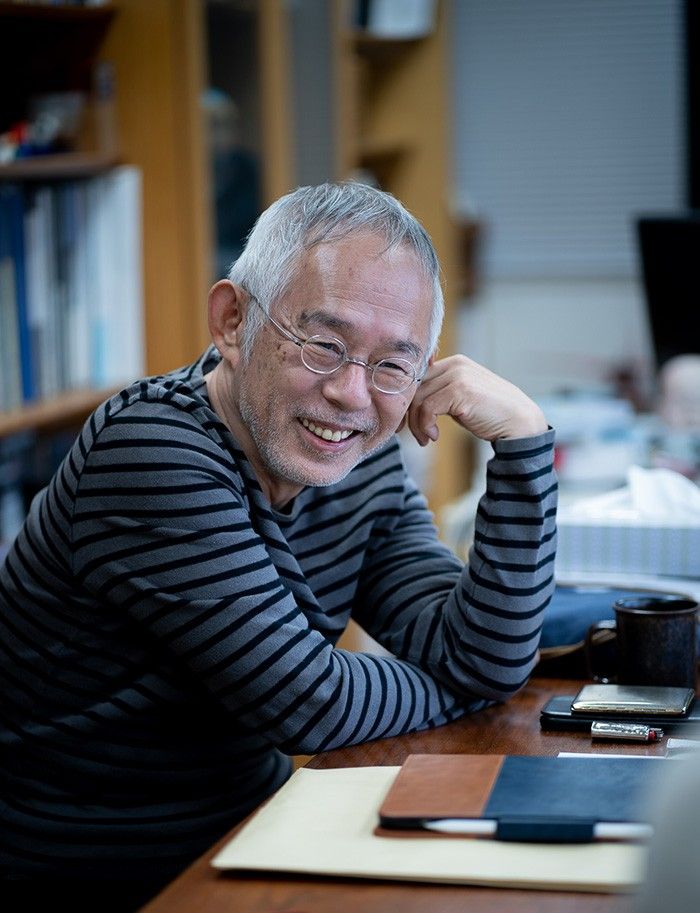
Studio Ghibli co-founder Toshio Suzuki has finally spoken publicly about the “Ghibli-style” AI image trend that took the internet by storm earlier this year — and his response is as blunt as you would expect from one of animation’s most legendary producers.
In a new interview with Asahi Shimbun, Suzuki revealed that Studio Ghibli received countless press inquiries about the wave of AI-generated images mimicking the studio’s iconic art style. But he deliberately chose to stay silent. His reason? He figured people would eventually get bored of them. And, as he put it, “As expected, they did.”
Suzuki Says Anyone With Experience Can Spot the Difference
When asked whether AI can truly replicate a Studio Ghibli work, Suzuki didn’t hesitate: “No.” He explained that he had initially expected generative AI to be more artistically capable than it turned out to be. The producer pointed to a very specific example from My Neighbor Totoro — the moment when someone presses Totoro’s stomach and his body dips with a natural depression. Suzuki said that seemingly simple detail is something neither CGI nor AI can replicate properly.
This isn’t just a casual dismissal. Suzuki has been in the animation industry since the early 1980s, working alongside Hayao Miyazaki on masterpieces like Princess Mononoke, Spirited Away, and Howl’s Moving Castle. When someone with that level of experience says AI can’t match Ghibli, it carries serious weight.
Miyazaki Doesn’t Even Know AI Exists
Perhaps the most striking revelation from the interview is Suzuki’s admission that Hayao Miyazaki — the genius behind Ghibli’s greatest films — has no idea that generative AI even exists. During the production of The Boy and the Heron, which won the Academy Award for Best Animated Feature in 2023, Miyazaki completely isolated himself from the outside world. He stopped reading newspapers, watching television, using his smartphone, and even socializing with friends.
Suzuki noted that AI is essentially built on the aggregation of information, while Miyazaki’s creative process is the exact opposite — working from deep internal vision rather than external data. This contrast, Suzuki suggested, is precisely why AI will never produce anything truly Ghibli.
Will Miyazaki Make Another Film?
The interview also touched on the question every Ghibli fan wants answered: will Miyazaki direct another feature film? Suzuki’s answer was characteristically honest. He confirmed that Miyazaki does have the desire to create more films, but whether his body can keep up with that ambition is another matter entirely. At 85 years old, the physical demands of directing an animated feature are enormous.
Still, Suzuki revealed that Miyazaki continues to develop unusual and inventive concepts. One example cited was the Panorama Box exhibition at Ghibli Park, a physical installation that brings his artistic vision into three-dimensional space. Even if another full film doesn’t materialize, it’s clear Miyazaki’s creative fire hasn’t dimmed.
Why This Matters for the AI Art Debate
Suzuki’s comments land at a pivotal moment in the ongoing debate about AI and artistic expression. The “Ghibli-style” AI trend sparked heated discussions about copyright, artistic integrity, and whether machines can truly replicate human creativity. Studios, artists, and legal experts around the world have been weighing in — but hearing directly from someone who helped build the very aesthetic being copied carries unique authority.
You might also enjoy our coverage of other major anime news this season, including fresh developments from hololive resmi dapat anime tv sendiri! digarap studio kai, i. For Suzuki, the answer seems clear: AI can mimic the surface, but it will never capture the soul. And in an industry built on soul, that distinction matters more than anything.
What Do You Think?
And don’t forget to check out our deep dive on netflix is about to erase one of its best anime after 10 yea. Do you agree with Toshio Suzuki that AI can never truly replicate the magic of Studio Ghibli? Or do you think generative AI will eventually close the gap? Drop your thoughts in the comments below — we’d love to hear your take on this one.