



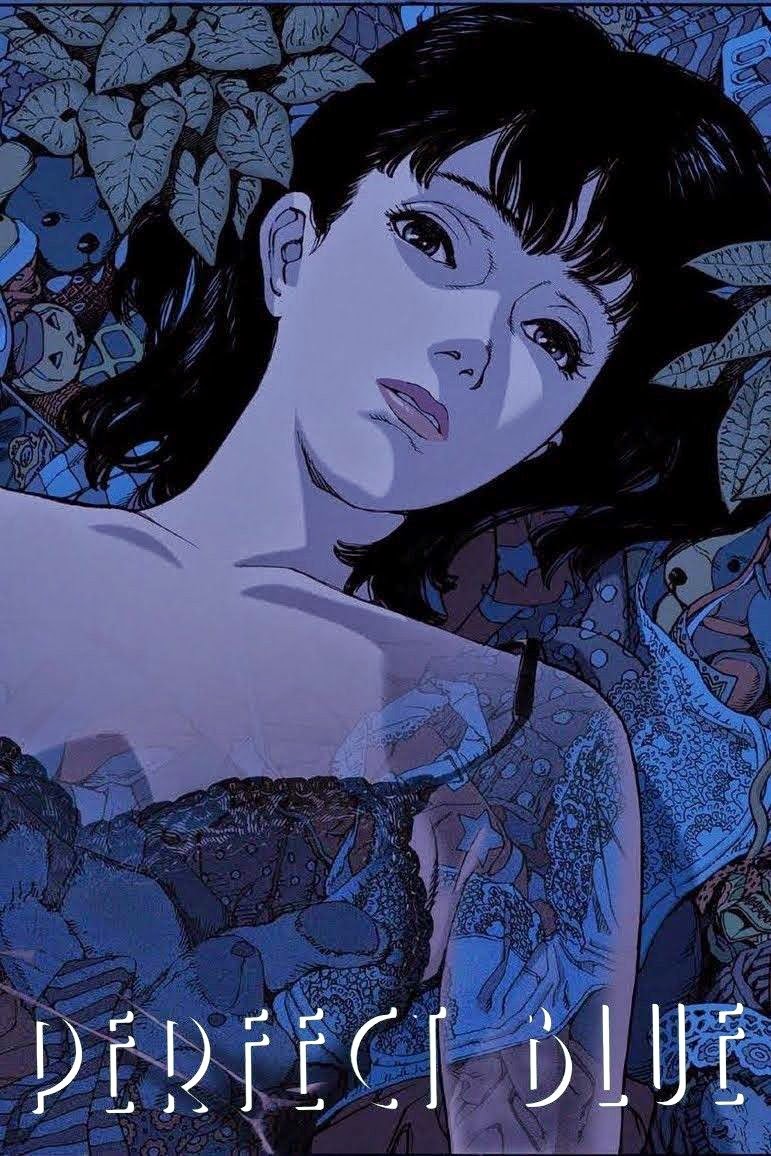
Satoshi Kon’s Perfect Blue just landed on Netflix on September 1, 2026 — and within days, a whole new generation of viewers is discovering why this 1997 psychological thriller is still considered one of the most disturbing and brilliant anime films ever made. Nearly three decades after Mima Kirigoe first questioned her own sanity, the film is trending again, and the reaction is exactly the same: how did this come out in 1997?
If you’ve never watched it, this is the perfect moment. But fair warning: Perfect Blue is not a movie you casually watch before bed. It’s a descent into paranoia, obsession, and identity collapse that blurs the line between reality and fantasy so effectively that it influenced some of the biggest filmmakers in the world — including Darren Aronofsky, whose Requiem for a Dream and Black Swan borrow heavily from Kon’s visual language.
What Is Perfect Blue About?
The story centers on Mima Kirigoe, a member of the J-pop idol group CHAM! who makes the risky decision to leave her music career behind and become a serious actress. It sounds like a standard showbiz drama — until an obsessive fan named Me-Mania begins stalking her, impersonating her online, and leaving her increasingly disturbing messages.
As Mima’s acting roles grow darker and more demanding, reality starts to splinter. She receives faxes claiming “you are the real Mima” while a mysterious doppelganger appears to be living her life online. When people around her start dying, Mima can no longer trust what she sees — or who she is. It’s a slow, suffocating spiral that many viewers describe as the most unsettling 81 minutes anime has ever produced.
Why Perfect Blue Still Feels So Modern
Here’s the terrifying part: Perfect Blue was released in 1997, before social media, before parasocial fan culture exploded, before deepfakes and AI. Yet the film reads like it was written about today’s internet. The idea of an online stalker creating a fake version of a celebrity is almost prophetic — it’s essentially a 1990s premonition of the way obsessed fans, AI recreations, and digital impersonation work in 2026.
That eerie foresight is exactly why younger viewers are flocking to the film on Netflix right now. Discussions are filling up with hot takes about how Perfect Blue predicted internet fandom, streaming-era celebrity burnout, and even the anxiety of being a public figure whose identity is constantly stolen and recirculated online.
The Satoshi Kon Legacy
Perfect Blue was the directorial debut of Satoshi Kon, who went on to direct masterpieces like Paprika, Tokyo Godfathers, and Millennium Actress before his tragic death in 2010. Kon is often called the “lost genius” of anime — a director whose dreamlike editing and seamless scene transitions inspired everyone from Christopher Nolan (Inception) to Darren Aronofsky (Black Swan).
Because Kon left us so early, his filmography is painfully small — which makes every re-release feel like an event. Fans who’ve never had an easy way to watch Perfect Blue now have it at their fingertips on one of the biggest streaming platforms in the world. It’s a vital piece of anime history finally getting the mainstream spotlight it deserves.
The 4K Question Fans Are Asking
One of the biggest debates surrounding the Netflix release is whether we’ll ever get a proper 4K restoration of Perfect Blue. Given the recent trend of classic anime getting high-quality remasters — like the 4K anniversary re-release of the Cowboy Bebop movie — fans are hoping Madhouse and the Kon estate will eventually deliver a definitive version. For now, the Netflix HD master is the easiest way to experience it, and for many first-time viewers, it’s more than enough to feel the impact.
A Cultural Turning Point
Perfect Blue isn’t just a great thriller — it’s a movie that keeps reshaping how we think about identity, fandom, and the price of fame. Watching it in 2026, in an era of influencer culture, parasocial relationships, and AI-generated content, feels almost like a required cultural education. It’s the rare film that rewards rewatching: knowing the twist doesn’t ruin it; it only makes you notice the layers you missed the first time.
If you’re looking for something to shake the sense of safety that most anime gives you, this is it. And if streaming giants keep rescuing under-seen classics like this, we’re in for a golden age of anime rediscovery — much like the growing wave of free anime on Pluto TV. Whether you’re a longtime Kon fan or discovering Mima for the very first time, Perfect Blue on Netflix is the September 2026 watch that everyone will be talking about.
So, Are You Ready to Watch It?
Perfect Blue is now streaming on Netflix. It’s unsettling, it’s brilliant, and it’s impossible to forget — a psychological maze that will have you staring at your own reflection a little longer than usual.
Here’s the question we already know will spark the comments: do you think Perfect Blue predicted the dark side of modern internet fandom — or is real life even scarier than the movie? And if you’ve already seen it, what scene still haunts you after all these years? Drop your thoughts below.


3 thoughts on “Perfect Blue Just Hit Netflix and It’s Breaking a Whole New Generation of Anime Fans’ Brains”