
Nintendo just dropped its first-quarter financial results for the fiscal year ending March 2027, and the headline number everyone expected — Switch 2 hardware crossing 23 million units — is somehow not even the most interesting part. The real shocker? Operating profit exploded 150.5% year-over-year, net sales came in at 517.8 billion yen, and behind the numbers sits a story about tariffs, movie magic, and one very unlikely game about living your best island life.
Here is everything you need to know about Nintendo’s latest earnings, what it means for the Switch 2’s second year, and why analysts are suddenly paying attention to Kyoto again.
Switch 2 Is Selling Like Nothing Else Right Now
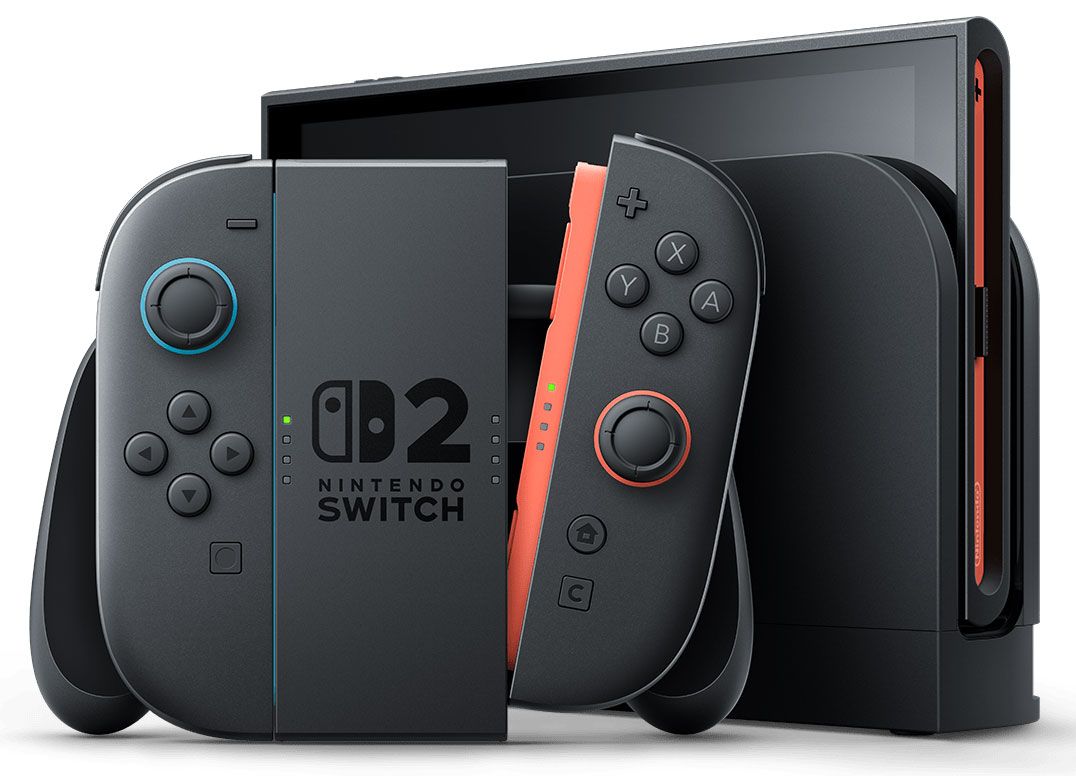
Nintendo Switch 2 hardware has now reached 23.68 million units sold worldwide since its June 2025 launch. In the April-June quarter alone, the console moved 3.82 million units — and software added 9.46 million unit sales, led by Yoshi and the Mysterious Book (released in May) and Star Fox (June), with Pokémon Pokopia from the previous fiscal year still selling steadily.
Compare that with the original Switch, which is still quietly ticking along: 0.66 million hardware units in the quarter, but a massive 33.81 million software units — including Tomodachi Life: Living the Dream, which has sold 7.94 million units in just a few months. That title alone shows how much money is still in the Switch library thanks to backward compatibility on Switch 2.
The 150% Profit Jump Nobody Saw Coming
Net sales fell 9.5% year over year to 517.8 billion yen, but operating profit surged 142.1 billion yen — up 150.5% — and ordinary profit hit 206.1 billion yen. Net profit rose 53.5% to 96.0 billion yen.
How? Two reasons, according to the company. First, software-heavy revenue mix — digital sales alone hit 132.7 billion yen, up 90% year over year as more people buy downloads. Second, the refund of IEEPA tariffs in the U.S., which were previously recorded as cost of sales, landed in this quarter’s numbers like a gift from the trade gods.
It’s a reminder that for Nintendo, the model isn’t selling hardware at a loss — it’s selling software at scale.
The Super Mario Galaxy Movie Is Making Serious Money
The IP business is booming: The Super Mario Galaxy Movie propelled IP-related income to 34.8 billion yen, up 107.4%. Nintendo’s movie strategy is now a real profit center, and with a sequel reportedly in development, don’t expect that revenue line to shrink anytime soon.
What’s Next: Splatoon Raiders, Fire Emblem, and Ocarina of Time
The second half of 2026 is loaded. Splatoon Raiders launched in July (which he’s already streaming in our more Switch 2 third-party ports landing on August 11), Fire Emblem: Fortune’s Weave arrives in September, Nintendo Switch Sports Resort in October — and the big one: The Legend of Zelda: Ocarina of Time is still on track for later this year. If you missed our breakdown of why Fire Emblem: Fortune’s Weave’s reveal spark a pricing debate, you should read it — it’s the same vibe of this report: everything is going up.
Digital sales are accelerating, the movie business is a rocket, and the Switch 2 is still in its second year of a likely five-year cycle. If Nintendo keeps this mix of hardware momentum and software attach rates, the 2026 holiday season could be one of the strongest in company history.
What Do You Think?
Are you surprised by Nintendo’s profit jump — or the tariff refund doing the heavy lifting? Are you picking up an early Switch 2 this year, or waiting for Zelda? And honestly: is anyone still playing Tomodachi Life in your house? Drop your thoughts in the comments — we read every single one, and the Tomodachi crowd is surprisingly loud.
Why the Switch 2 Is on Track to Be Nintendo’s Fastest-Ever Seller
With 23.68 million units in a little over a year, Switch 2 is outpacing every console in Nintendo history at this stage of its life cycle — and it’s doing it at a $449.99 price point that critics said would cap its ceiling. Instead, the hybrid keeps posting record attach rates: 58.17 million Switch 2 software units total, or roughly 2.5 games per console. Backward compatibility means the old library (1.56 billion Switch software units and counting) stacks right on top, and that’s a moat no competitor can copy overnight.
Of course, not everything is a smooth ride. The 9.5% drop in net sales shows Nintendo is cycling through the peak of launch hype, and the tariff-refund windfall is a one-time benefit — next quarter’s comparison will be much harder. The real test comes this holiday: Splatoon Raiders, Fire Emblem: Fortune’s Weave, and Ocarina of Time all land within weeks of each other, and if Sony’s rumored handheld rumors are real, 2027 might decide how long Nintendo’s dominance lasts.