
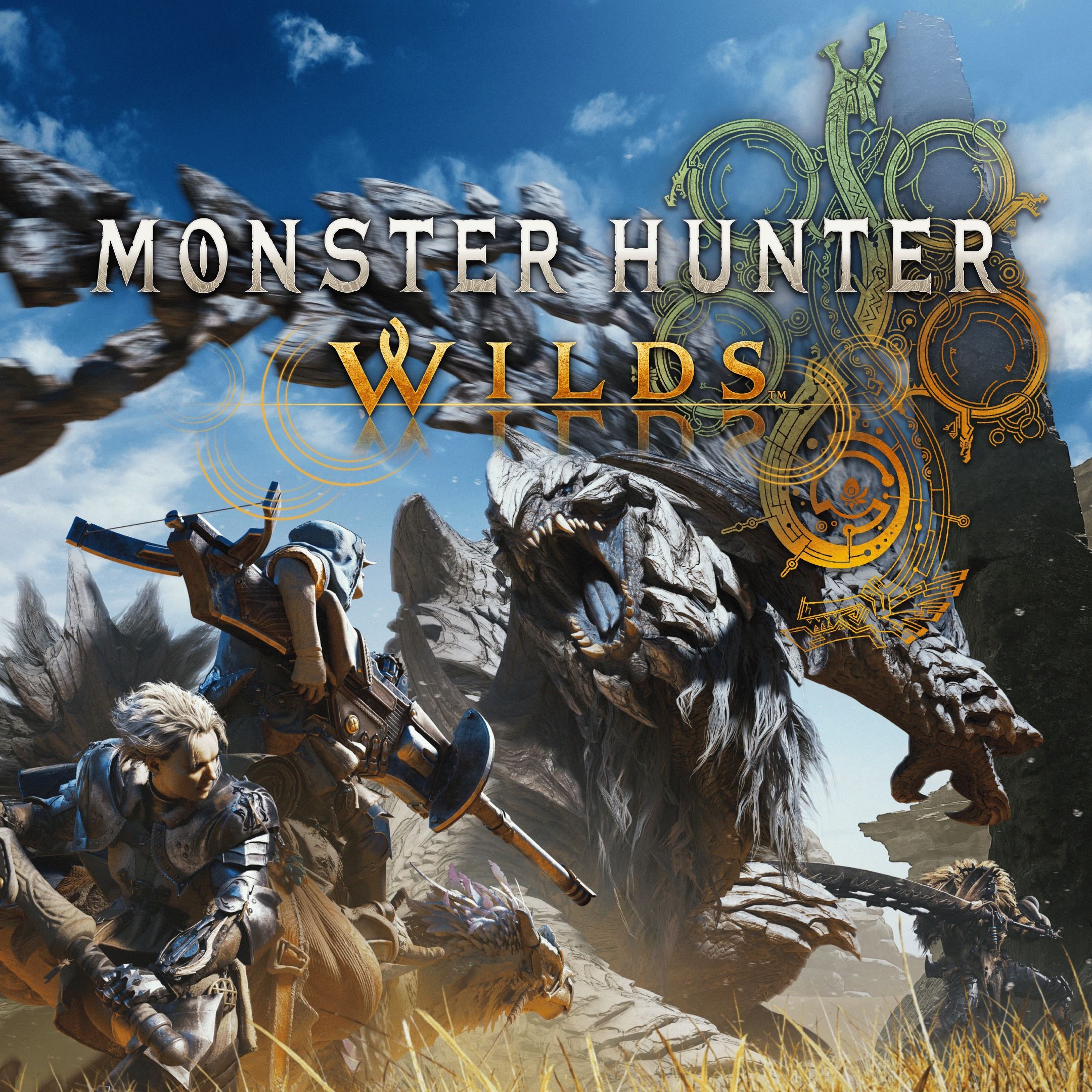
When Capcom officially lifted the veil on the extended gameplay systems for Monster Hunter Wilds, the entire hunting community held its collective breath. Could franchise producer Ryozo Tsujimoto and executive director Yuya Tokuda truly evolve the gold standard established by Monster Hunter: World without compromising the visceral, deliberate combat that defined two decades of hunting legacy? The definitive answer across worldwide open beta tests is an emphatic yes. By discarding traditional quest hub barriers and engineering dynamic, weather-shifting wilderness biomes, Capcom has not merely crafted another sequel—they have engineered an unprecedented leap in ecosystem design and action combat fluidity.
The Evolution of Dynamic Ecosystems: The Windward Plains and Inclemency
The beating heart of Monster Hunter Wilds lies in its fully realized living environments. Where previous titles segmented maps into distinct hunting arenas separated by brief transitional corridors, Wilds drops hunters directly into sprawling landscapes like the Windward Plains, where weather conditions dictate the food chain in real time. Under the direction of Yuya Tokuda, Capcom developed a weather cycle that alternates between the Fallow period—a desolate state plagued by harsh sandstorms—and the Inclemency, where brutal lightning storms summon apex predators like the electric wyvern Rey Dau.
When the storm breaks and the abundance period arrives, the plains transform into lush meadows teeming with endemic life and grazing herbivores. This dynamic environmental shift directly affects monster behavior, territorial aggression, and trap placement. In contrast to more linear open-world setups explored in modern gaming, such as the sprawling cityscapes detailed in our analysis of GTA 6 Vice City open-world systems, Capcom’s wilderness functions as an active participant in every hunt rather than a passive backdrop.
Focus Mode and Tactical Precision: Elevating Hunter Combat
Combat mechanics in Monster Hunter have always demanded discipline, spacing, and anticipation. With Wilds, combat director Kaname Fujioka and the development team introduced Focus Mode—a revolutionary tactical layer that allows players to manually aim strikes, guard angles, and pinpoint vulnerable monster wounds with surgical precision. Landing consecutive strikes on a specific body part creates visible tenderized wounds, enabling powerful Focus Strikes that deal devastating stagger damage and sever monster materials mid-fight.
Furthermore, the Seikret mount introduces seamless weapon swapping in the field. Hunters can now carry two weapons simultaneously, such as pairing a hard-hitting Great Sword with a mobile Light Bowgun or a status-inflicting Hunting Horn. This mechanical freedom addresses one of the franchise’s longest-standing bottlenecks: having to return to base camp to swap gear when adapting to a multi-monster hunt. For players who appreciate intricate, frame-tight combat systems—much like the high-stakes kinetic action seen in Kingdom Hearts 4 Unreal Engine 5 combat mechanics—Wilds strikes the ideal balance between high skill ceiling and fluid accessibility.
Arkveld and the Mystery of the White Wraith
Narrative has historically served as secondary framing for the hunting loop, but Monster Hunter Wilds weaves its ecological mystery directly into the core campaign. At the center of the Forbidden Lands Expedition stands Arkveld, the enigmatic “White Wraith”—an extinct species thought lost to time, distinguished by unique chain-like wing appendages that whip across the arena with terrifying reach. Veteran art director and creature designer teams at Capcom designed Arkveld to embody both biological menace and primordial tragedy.
The Research Commission expedition features a rich cast of human companions, including handler Alma, smithy prodigy Gemma, and expedition palico companions who feature full voice acting for the first time in mainline series history. The story explores the tragic history of the Keepers and the fall of ancient civilizations in the Forbidden Lands, providing genuine emotional stakes to complement the adrenaline-pumping hunts.
Unlocking the Power of RE Engine on Modern Platforms
Built from the ground up on Capcom’s proprietary RE Engine, Monster Hunter Wilds showcases staggering technical ambition across PlayStation 5, Xbox Series X|S, and PC via Steam. The engine handles hundreds of herd animals rendering simultaneously on screen, volumetric sandstorms, destructible geological features, and seamless transitions between base camps and open wilderness without a single loading screen. Capcom’s commitment to crossplay across all platforms at launch ensures that hunting parties can unite globally without barrier, solidifying Wilds as the definitive cooperative experience of 2026.
What Do You Think?
Will Focus Mode and the dual-weapon Seikret system make Monster Hunter Wilds the greatest action RPG in Capcom history, or do you prefer the classic deliberate pacing of earlier generations? Which weapon combination are you planning to bring into the Forbidden Lands to hunt Arkveld? Share your hunting setup, beta impressions, and theories in the comments below!