Ever since the bittersweet, universe-altering strings of “What a Wonderful World” closed out the animated adaptation of Stone Ocean in late 2022, a collective, breathless hush has enveloped the anime community. For casual viewers, the end of Jolyne Cujoh’s tragic yet defiant stand marked the conclusion of a multi-generational blood feud against the lingering shadow of DIO. But for initiated manga connoisseurs and long-time disciples of Hirohiko Araki, that finale was merely a prelude to the true promised land: JoJo’s Bizarre Adventure: Part 7 – Steel Ball Run.
Universally lauded as Araki’s magnum opus, Steel Ball Run does not merely occupy a high pedestal within the franchise; it frequently contends for the title of the greatest manga ever penned, perched comfortably alongside titans like Kentaro Miura’s Berserk on global aggregate leaderboards. Yet, as whispers and speculative fervor regarding David Production’s next move hit a fever pitch, the prospect of bringing this sweeping, dust-choked American epic to the screen poses creative and logistical questions unlike anything the studio has faced before.
The Seinen Rebirth: Why Steel Ball Run is Araki’s Magnum Opus
To understand the sheer magnitude of the anticipation, one must dissect the creative metamorphosis Araki underwent during the mid-2000s. Originally serialized in Weekly Shonen Jump before transitioning to the monthly seinen publication Ultra Jump, Steel Ball Run emancipated the mangaka from the relentless grind and editorial guardrails of standard shonen demographics. The narrative breathes with an unprecedented cinematic scope, abandoning urban sprawl and claustrophobic corridors in favor of the untamed, unforgiving American frontier of 1890.
The premise is intoxicatingly audacious: a 6,000-kilometer cross-country equestrian race from San Diego to New York City, boasting a staggering fifty-million-dollar purse. However, what begins as an eccentric sports spectacle rapidly mutates into a geopolitical conspiracy steeped in supernatural horror, divine Providence, and cosmic horror. In shedding the baggage of the original timeline, Araki gifted himself a clean canvas to deconstruct the very core of his mythos—reimagining destiny, heroism, and the cost of human ambition.
Johnny Joestar and Gyro Zeppeli: A Masterclass in Subversive Brotherhood
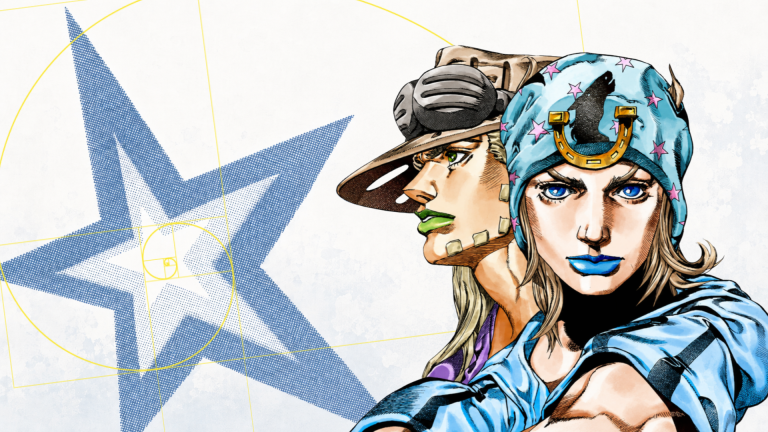
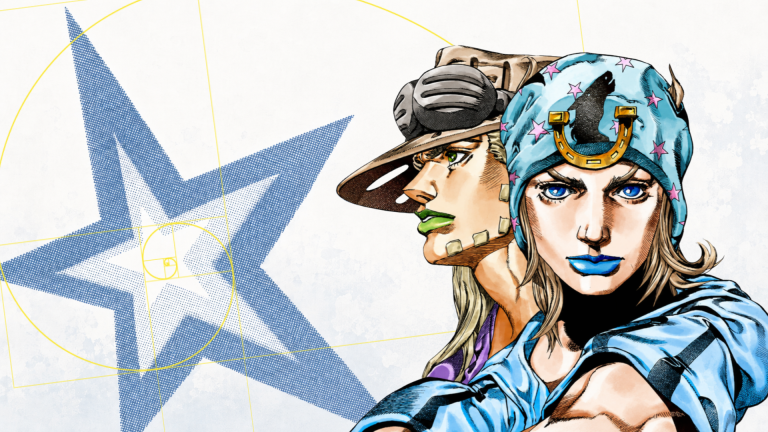
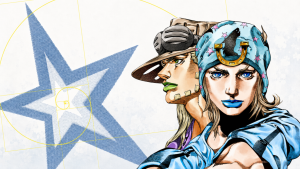
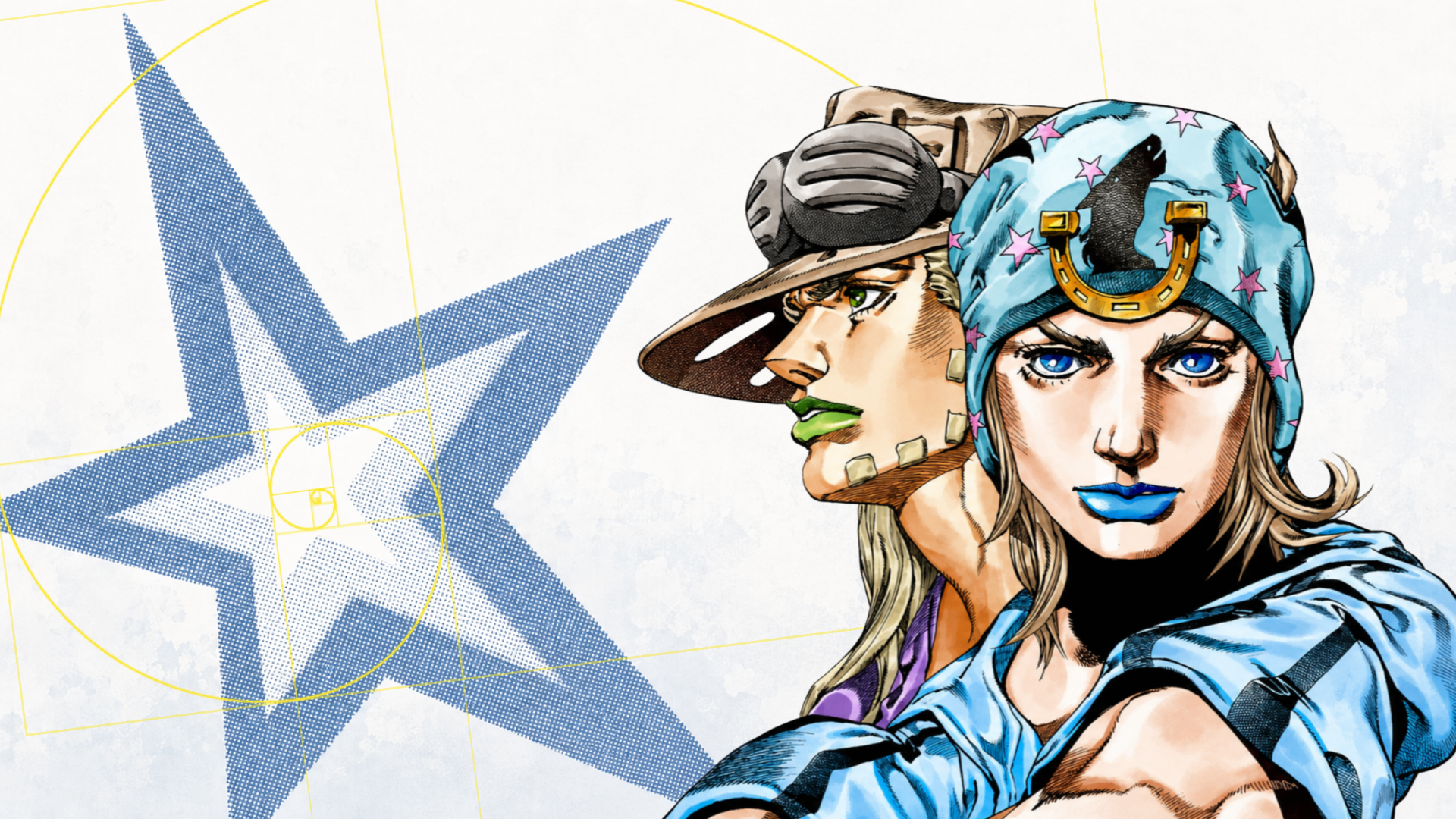
At the beating heart of this sprawling trans-continental odyssey lies the finest character dynamic Araki has ever forged: the unlikely companionship of Johnny Joestar and Gyro Zeppeli. Their rapport anchors the narrative through the grueling wastes, transcending traditional shonen tropes of performative friendship to explore something raw, fragile, and profoundly mature.
From Negative to Zero: The Dark Determination of Johnny Joestar
Unlike his chivalrous namesake Jonathan Joestar, Johnny begins his arc stripped of nobility. A former horse-racing prodigy whose reckless arrogance resulted in a gunshot wound that paralyzed him from the waist down, Johnny is embittered, selfish, and desperate. His crusade across America is not inspired by altruism or righteous justice; he simply wants to claw his way back from a state of psychological and physical negation. Araki routinely illustrates Johnny with a terrifying, pitch-black resolve—aptly coined “Dark Determination”—signaling a protagonist entirely willing to commit cold-blooded murder if it brings him an inch closer to restoring his mobility and spirit.
The Golden Spin and the Zeppeli Heritage
Acting as Johnny’s philosophical foil, mentor, and occasional comedic foil is Gyro Zeppeli, a disgraced Neapolitan executioner wielding the mystical art of the Spin. Far more nuanced than previous hamon masters, Gyro carries the excruciating weight of an unjust execution sentence hanging over an innocent child in his homeland. The mechanics of his weapon—steel spheres turned lethal conduits through the mathematical perfection of the Fibonacci Sequence and the Golden Ratio—redefine Araki’s combat choreography. Between bizarre musical interludes about mozzarella cheese and intense, cerebral shootouts, Gyro represents the tragic, guiding warmth Johnny so desperately lacks.
The Technical Gauntlet: Equestrian Animation and David Production’s Crossroads
While the demand for an adaptation is deafening, industry insiders know all too well why David Production has taken its time. The central pillar of Steel Ball Run represents the single most notorious nightmare in the world of 2D animation: horses.
Anatomically intricate, muscular, and demanding complex kinetic quadrupedal movement from thousands of shifting camera angles, horses are an animator’s ultimate trial by fire. Steel Ball Run does not merely feature occasional equestrian cameos; it is sustained, hyper-kinetic cavalry warfare across dynamic terrain. To translate the blistering speed of the race without turning the production into a flat, disjointed 3D CGI wasteland—a fate that has befell several ambitious historical anime—demands an astronomical budget and a hybridized animation pipeline of the highest caliber.
David Production has consistently proven their love for Araki’s vision through bold color-palette shifts, sound-effect kanji typography, and rhythmic pacing. Yet, tackling Part 7 will necessitate either an extensive co-production arrangement or the mastery of cel-shaded 3D assets integrated seamlessly with hand-drawn character close-ups. Furthermore, after the polarizing “batch release” schedule of Stone Ocean on Netflix—which severely fractured community discourse and stifled weekly viral momentum—fans and critics alike are vocally imploring for a return to traditional, weekly prestige television broadcasts.
The Corpse, The Patriot, and The Redefined Stand Mechanics
Beyond the technical hurdles lies a thematic complexity that requires delicate narrative handling. The race is covertly orchestrated to locate the mummified remains of the Holy Corpse—heavily implied to be Jesus Christ—whose scattered relics bestow terrifying, physics-defying powers. This macabre treasure hunt culminates in a conflict against President Funny Valentine, widely regarded as one of the most compelling antagonists in modern fiction.
Valentine’s multidimensional Stand, Dirty Deeds Done Dirt Cheap (D4C), alongside Johnny’s multi-tiered evolutions of Tusk, elevated Araki’s Stand battles into the realm of conceptual philosophy. Valentine is a zealous nationalist whose villainy is cloaked in sincere, unyielding patriotism—a chilling reflection of imperialist dogma that forces the viewer to interrogate the moral superiority of its “heroes.” Capturing the existential dread, mind-bending dimensional shifts, and raw metaphysical violence of these climactic encounters will demand visionary directorial panache.
The Road Ahead: An Impending Renaissance
The cultural buzz surrounding JoJo’s Bizarre Adventure: Steel Ball Run is not born of mere nostalgia; it stems from the tantalizing promise of witnessing a masterwork realized at the peak of modern anime production capabilities. If David Production can conquer the logistical Everest of its equestrian landscapes and preserve the visceral, melancholic maturity of Johnny and Gyro’s journey, this adaptation could transcend the anime medium to stand as a landmark piece of modern animated drama.
The race has not officially begun, but the horses are at the starting gate, and the fandom is holding its collective breath. How do you envision David Production handling the daunting challenge of Part 7’s horse animation—should they push for a high-end CGI hybrid, or does the legacy of Steel Ball Run demand uncompromising, hand-drawn prestige? Drop your thoughts in the comments below, and stay tuned to Wibux.com for the latest updates on the anime world’s most anticipated horizon.