

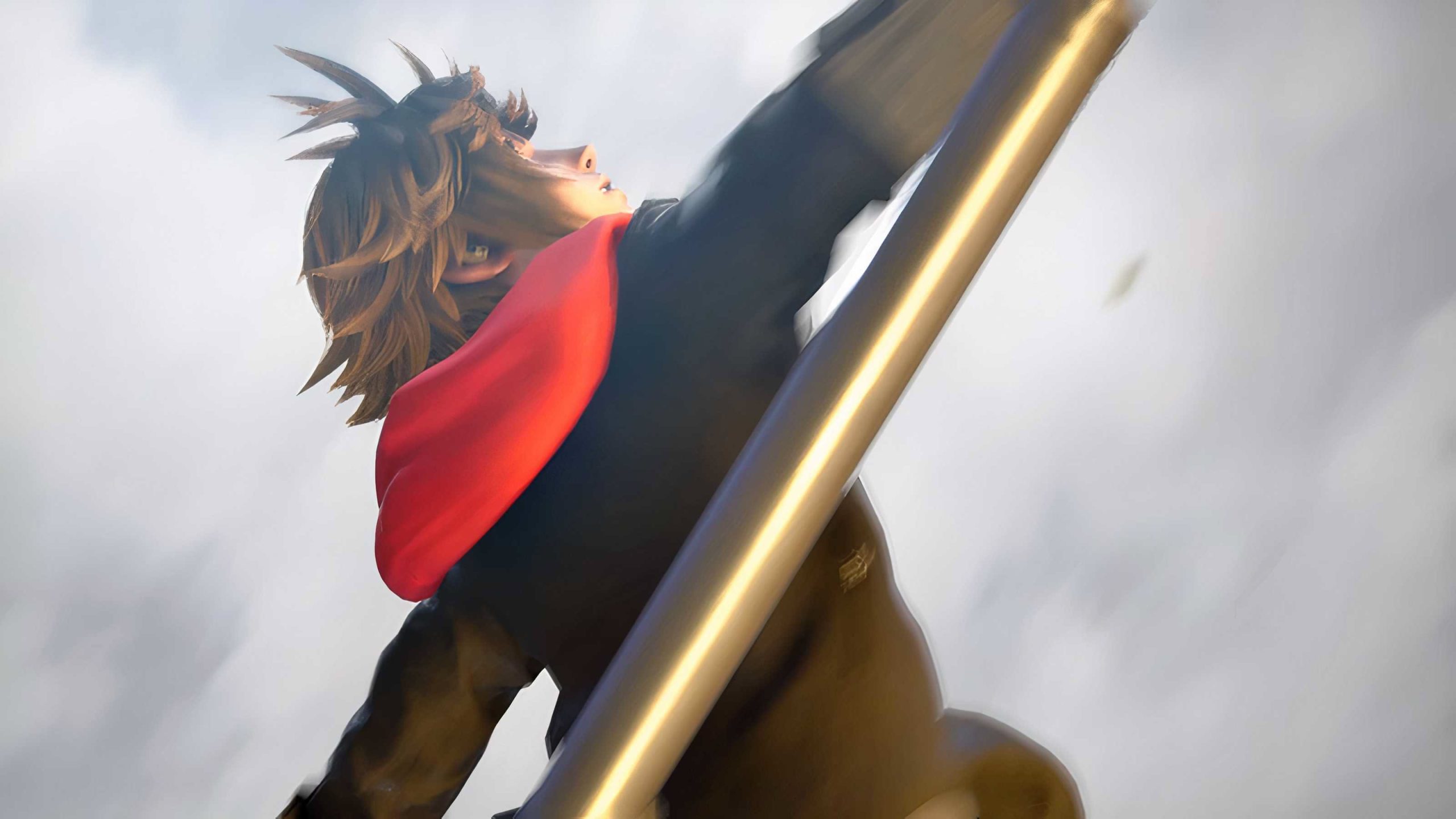
Ever since the heart-stopping conclusion of the Dark Seeker Saga, a solitary question has haunted millions of Keyblade wielders worldwide: what happens when the chosen hero slips beyond reality itself? When Square Enix unveiled the earliest cinematic glimpse of Kingdom Hearts 4, longtime franchise architect Tetsuya Nomura shattered two decades of expectations by dropping Sora right into the sprawling, photorealistic metropolis of Quadratum. No longer confined to the whimsical cartoon aesthetics of yesteryear, this bold reinvention signals an unprecedented technological leap driven by Epic Games’ powerhouse Unreal Engine 5.
The Lost Master Arc and Sora’s Plunge into Quadratum
The transition into the Lost Master Arc represents far more than a cosmetic overhaul. By placing Sora in an apartment within the Shibuya-inspired district of Minami Aoyama, Tetsuya Nomura subverts the foundational ethos of the entire franchise. Quadratum exists as an “unreality”—a realm that mirrors the modern human world yet harbors ancient metaphysical conflicts. Awoken by the enigmatic Strelitzia, a former Keyblade wielder whose tragic fate in Kingdom Hearts Union χ deeply moved players, Sora finds himself trapped in a dimension where life and death intertwine under completely different cosmic rules.
Unlike previous installments where Disney kingdoms formed whimsical pit stops, Quadratum introduces a grounded, melancholic tension. Players witness Sora adjusting to mundane modern living while colossal, sky-scraping Heartless manifest across city streets, ripping asphalt into kinetic weapons. This contrast bridges high-octane spectacle with existential storytelling, echoing themes explored across ambitious modern productions like Death Stranding 2: On The Beach.
Unreal Engine 5: Dynamic Keyblade Transformations and Fluid Traversal
At the mechanical core of Kingdom Hearts 4 lies a radically expanded combat system built from the ground up on Unreal Engine 5. Nomura and the Osaka development team have embraced fluid, parkour-infused mobility that turns the concrete canyons of Quadratum into interactive combat playgrounds. Sora’s Keyblade is no longer merely a striking weapon; it functions as a modular grappling hook, whip, and kinetic catalyst, allowing players to scale high-rise buildings and slingshot directly into monstrous foes.
The leap to Nanite virtualized geometry and Lumen dynamic illumination allows every spark of magic, reflective glass pane, and fluttering fabric crease to react instantaneously to combat encounters. The blistering speed of combat captures the spirit of adrenaline-charged epics, evoking the environmental fluidity seen in Ghost of Yotei while pushing high-speed directional combat to dizzying heights.
The Mystery of the Foretellers, the Master of Masters, and Riku’s Quest
Narratively, Kingdom Hearts 4 marks the full emergence of the Foretellers—Ira, Invi, Aced, and Gula—alongside the enigmatic Luxu and the Master of Masters. While Donald Duck and Goofy scour familiar Disney dimensions desperately searching for Hades in the Underworld, Riku embarks on a solitary crossing into unreality to track down his lifelong friend. Guided by the shadowy legacy of the Black Box and cryptic prophecies, this overarching struggle threatens to tear down the fabric separating light, darkness, and unreality.
Furthermore, veteran composer Yoko Shimomura returns to craft the orchestral backbone of this ambitious chapter. Shimomura’s signature melancholic piano melodies, blended with soaring brass arrangements, elevate Sora’s urban solitude into an operatic tour de force that rivals the dread-inducing tension of upcoming releases like Resident Evil 9.
A Daring Rebirth for Square Enix’s Beloved Crossover
Kingdom Hearts 4 stands poised to redefine what an action RPG can achieve when a beloved twenty-year legacy embraces fearless transformation. By trading comfortable nostalgic formulas for ambitious world-building, mature psychological stakes, and bleeding-edge combat rendering, Tetsuya Nomura is steering Sora toward his most perilous and awe-inspiring quest yet.
What do you think?
Are you excited to explore the photorealistic streets of Quadratum, or do you prefer the classic vibrant Disney worlds of previous Kingdom Hearts adventures? Which Disney or Square Enix properties are you hoping to see integrated into the Lost Master Arc? Share your wildest theories and expectations in the comments below!