


What happens when the deadliest assassin sent to take your heart ends up stealing it in the most bittersweet, explosive romance in modern shonen history? Anime fans worldwide have been holding their breath ever since Studio MAPPA announced that the iconic Bomb Girl arc from Tatsuki Fujimoto’s manga masterpiece would be hitting the big screen. Instead of continuing Chainsaw Man as a standard television broadcast, the creative powerhouse opted for a full-scale cinematic release with Chainsaw Man – The Movie: Reze Arc, a daring strategic move designed to turn an intimate, tragedy-laced encounter into a global box office sensation.
The Bomb Girl Phenomenon: Why Tatsuki Fujimoto’s Masterpiece Demands the Big Screen
When Tatsuki Fujimoto penned the Bomb Girl arc in Shueisha’s Weekly Shonen Jump, manga readers instantly recognized that the dynamic between Denji and the enigmatic Reze was something extraordinary. Fujimoto has always subverted traditional battle shonen tropes, injecting raw cinematic pacing, quirky dialogue, and deeply human melancholy into chaotic supernatural bloodshed. In the television adaptation, MAPPA laid the groundwork by showcasing Denji’s desperate search for basic human intimacy and a normal teenage life alongside Hayakawa Aki and Power under the watchful, manipulative eye of Makima.
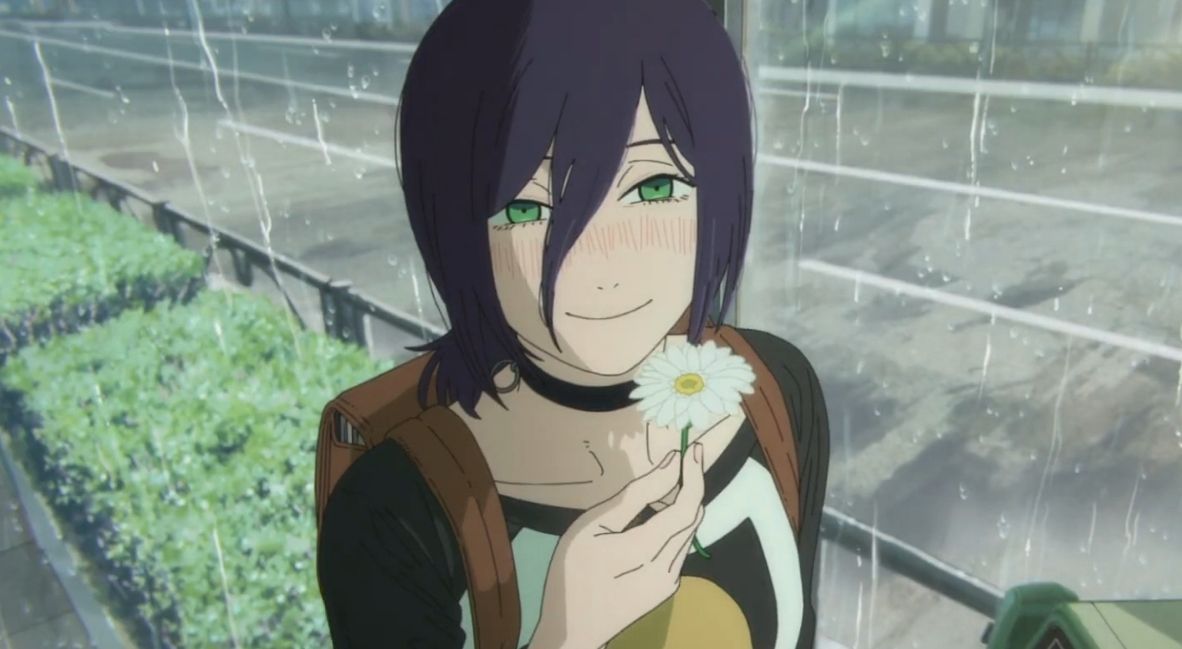
However, the Reze arc shifts the emotional stakes into overdrive. The narrative introduces Reze, voiced by the brilliant Reina Ueda (known for her roles in Demon Slayer and SSSS.Gridman), who meets Denji (Kikunosuke Toya) during a sudden rainstorm in a telephone booth. What begins as a charming, innocent rendezvous at a local café quickly spirals into a pulse-pounding game of deception, espionage, and devastating emotional vulnerability. The cinematic format allows MAPPA’s animators to explore the atmospheric tension of nocturnal Tokyo and Fujimoto’s quiet character beats with unrivaled audio-visual grandeur.
MAPPA’s Uncompromising Production Power: Keisuke Seshimo and Hiroshi Seko
Studio MAPPA, guided by veteran animation producer Keisuke Seshimo and series composition maestro Hiroshi Seko (whose screenwriting credits include Attack on Titan and Jujutsu Kaisen), has spared no expense in elevating Chainsaw Man’s theatrical presentation. With musical director Kensuke Ushio returning to compose an eclectic, emotionally charged industrial and synth-pop score, the movie promises to deliver theatrical sensory overload. Unlike the episodic constraints of weekly television, a feature-length theatrical budget gives MAPPA the liberty to execute sprawling, unhinged action sequences where the Bomb Devil collides with the Chainsaw Devil across collapsing city skylines.
For fans who marveled at the artistic breakthroughs in Dandadan by Science SARU and the staggering seasonal return of Sousou no Frieren Season 2 by Madhouse, Studio MAPPA’s cinematic venture sets an entirely new benchmark for production fidelity. Every flame burst, spark, and shattering blade in the Reze arc is meticulously rendered to capture both the grit of 1990s analog grain and cutting-edge digital choreography.
Denji and Reze: A Fatalistic Romance Destined for Heartbreak
At its core, Chainsaw Man – The Movie: Reze Arc is not merely a relentless parade of supernatural explosions; it is a profound exploration of loneliness, exploitation, and fleeting connection. Denji has spent his entire life being treated as an expendable tool—first by the Yakuza, and subsequently by the Public Safety Devil Hunters. When Reze enters his orbit, teaching him to swim at night in an abandoned school pool and offering an escape from the relentless meat grinder of Devil hunting, Denji experiences genuine affection for the very first time.
Yet, in Fujimoto’s dark universe, happiness is always double-edged. As Reze’s true allegiance as a Soviet hybrid operative unravels, the tragic irony of two weaponized youths finding solace in one another becomes palpable. The sheer emotional resonance of Denji torn between his loyalty to Makima and his longing to run away with Reze gives the narrative its unforgettable narrative punch. Voice actors Kikunosuke Toya and Reina Ueda infuse their performances with an aching tenderness that transforms brutal melee showdowns into poignant dialogues between wounded souls.
Why The Reze Arc Will Rewrite Theatrical Box Office Records
The global anime cinematic landscape has evolved dramatically over recent years, proving that canonical manga arcs adapted into feature films can generate monumental box office returns. From Mugen Train to Jujutsu Kaisen 0, audiences have demonstrated an insatiable appetite for high-stakes theatrical spectacles. Chainsaw Man – The Movie: Reze Arc possesses all the vital ingredients to emulate this stratospheric success: an iconic anti-hero, an unforgettable antagonist who doubles as a tragic love interest, and MAPPA’s peerless kinetic animation.
Furthermore, the movie serves as the pivotal turning point that directly bridges Denji’s early misadventures into the catastrophic climax of Public Safety Saga Part 1. By delivering this critical arc on the silver screen, Shueisha and MAPPA are creating an unmissable cultural event that will dominate international theatrical charts upon release, standing tall alongside blockbusters like Solo Leveling Season 2 Arise from the Shadow.
What Do You Think?
Is Reze the best character introduced in Chainsaw Man, or does your heart still belong to Makima or Power? How do you think MAPPA’s theatrical movie format compares to a traditional weekly season release? Share your thoughts, predictions, and favorite manga moments in the comments below!



2 thoughts on “Chainsaw Man The Movie Reze Arc: Why MAPPA, Tatsuki Fujimoto, and Denji’s Deadly Romance Will Shatter Box Office Records”