



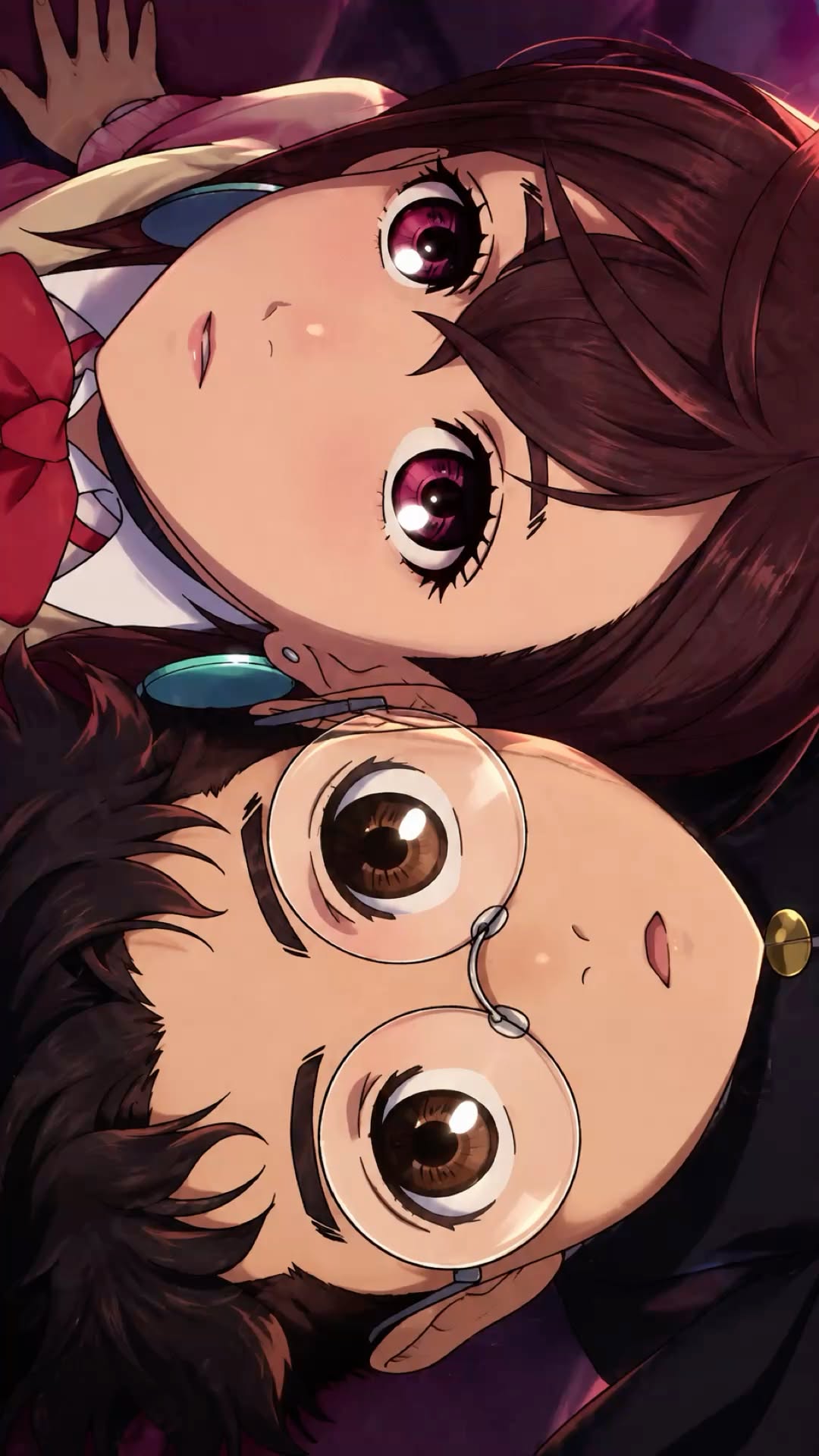
What happens when you throw alien abductions, vengeful folklore spirits, acrobatic exorcisms, and a tender teenage romance into a blender running at hyper-speed? You get Dandadan, the electrifying supernatural shonen sensation that has completely captivated global audiences and shattered traditional anime conventions. When Science SARU first announced they were taking the helm to adapt Yukinobu Tatsu’s wild masterpiece, manga enthusiasts held their collective breath. Now, witnessing the kinetic madness unfold on screen, it is undeniable: Dandadan is not just another seasonal anime hit, but a generational benchmark for modern animation storytelling.
The Creative Genius of Science SARU and Director Fuga Yamashiro
Adapting Yukinobu Tatsu’s intricate, hyper-detailed manga artwork was widely considered a near-impossible logistical nightmare. Tatsu, a former assistant to Tatsuki Fujimoto on Chainsaw Man, packs every manga panel with absurd architectural detail, explosive dynamic perspective, and frenetic energy. Enter visionary director Fuga Yamashiro, a long-time protégé of Masaaki Yuasa at Science SARU. Yamashiro made the audacious creative decision to lean into visual elasticity, vibrant pop-art color grading, and seamless rotoscope-inspired movement rather than rigid anatomical fidelity.
Working alongside renowned series composition writer Hiroshi Seko (famed for his narrative work on Jujutsu Kaisen and Mob Psycho 100), the production team streamlined Tatsu’s chaotic pacing into an exhilarating television rhythm. Every sprint, transformation, and spectral blast feels weighty yet intoxicatingly fluid, setting a brand-new standard for how chaotic manga choreography should transition to the silver screen.
Electric Chemistry: Momo Ayase and Ken ‘Okarun’ Takakura
At the beating emotional heart of Dandadan is the undeniable chemistry between its two polar-opposite protagonists: Momo Ayase and Ken Takakura, affectionately nicknamed Okarun. Momo, voiced with fiery nuance and rebellious charm by Shion Wakayama, grew up in a household steeped in spiritual exorcism led by her badass spirit-medium grandmother, Seiko Ayase. On the flip side, Okarun, brought to life with stuttering vulnerability by superstar voice actor Natsuki Hanae, is a bullied social outcast obsessed exclusively with extraterrestrials and UFO conspiracies.
Their initial ideological wager—Momo venturing into an abandoned alien hospital while Okarun visits a haunted tunnel—sets off a chain reaction of unhinged supernatural encounters. Yet beneath the curse of the fearsome Turbo Granny (magnificently voiced by veteran Mayumi Shintani) and grotesque Serpoian invaders, their blooming romance feels extraordinarily grounded, authentic, and delightfully awkward. Unlike stereotypical shonen archetypes where romance is sidelined for hundreds of chapters, Momo and Okarun’s mutual trust forms the narrative anchor of the entire saga.
The Aural Wizardry of Kensuke Ushio
An anime as visually unhinged as Dandadan demanded a soundtrack equally rebellious, and legendary electronic composer Kensuke Ushio delivered in spades. Ushio, renowned for his ground-breaking scores on Devilman Crybaby, Chainsaw Man, and A Silent Voice, infused Dandadan with an eclectic audio blend of pulsing synthwave, acid techno, heavy metal guitar licks, and eerie traditional Japanese percussion.
Whether scoring a high-stakes supernatural footrace against Turbo Granny or underscoring a quiet, blushing rooftop confession between Momo and Okarun, Ushio’s soundtrack elevates each sequence from great animation into pure cinematic adrenaline. Much like how epic soundscapes elevate gaming blockbusters like the upcoming Death Stranding 2 On The Beach, Dandadan treats its audio design as a primary storytelling character.
Why Dandadan Outshines Conventional Shonen Tropes
In an era where modern shonen has often leaned heavily into relentless tournament arcs or grimdark suffering, Dandadan feels like a breath of fresh, radioactive air. It bridges the gap between classic monster-of-the-week comedy and grand, emotionally resonant team-up battles. Alongside other breakthrough productions like Solo Leveling Season 2 and feudal open-world sagas such as Ghost of Yotei, storytelling in Japanese media has entered an ambitious creative golden age where genre boundaries no longer exist.
- Unhinged Genre Fusion: Effortlessly toggles between sci-fi space opera, urban yokai horror, and high school rom-com within a single ten-minute span.
- Peak Production Value: Science SARU delivers cinematic key animation, innovative framing, and mesmerizing sakuga sequences in every single episode.
- Endearing Character Ensemble: From Aira Shiratori’s chaotic self-importance to Jiji’s lovable goofiness, every supporting character enriches the quirky world.
- Relatable Teenage Heart: Beneath the golden balls and alien lasers lies a deeply moving story about overcoming loneliness, finding belonging, and young love.
What Do You Think?
Are you completely mesmerized by the neon madness of Dandadan, or do you prefer more traditional dark fantasy shonen anime? Which duo stolen your heart more: Momo and Okarun, or are you waiting for the chaos of the Evil Gun arc? Drop your thoughts, favorite fight scenes, and episode ratings in the comments below!


One thought on “Dandadan Anime Phenomenon: Why Science SARU, Momo Ayase, and Okarun Are Redefining Modern Shonen”