

What if the most dangerous secret in the entire universe was not locked away inside an impenetrable fortress, but casually drawn onto parchment with ordinary ink and a fountain pen? The global anime community is bracing for what could be the most visually breathtaking and philosophically intricate fantasy masterpiece of the decade. As official production updates on the long-anticipated Witch Hat Atelier anime adaptation gain massive viral traction across social media, fans of intricate dark fantasy are discovering why this series stands apart from typical modern shonen tropes.
The Pen Is Mightier Than the Wand: Kamome Shirahama’s Groundbreaking Magic System
Ever since mangaka Kamome Shirahama debuted Witch Hat Atelier (Tongari Boshi no Atorie) in Kodansha’s Morning Two, the series has captivated international critics and collected prestigious accolades worldwide, including the prestigious Eisner Award and Harvey Award. The brilliance of Shirahama’s narrative begins with its subversive core conceit: magic is not an innate divine privilege granted only to highborn aristocrats or chosen heroes. Instead, magic is drawn. Anyone capable of drafting precise geometric glyphs using specially formulated magical ink can cast reality-altering spells.
To preserve peace and prevent apocalyptic catastrophes, the secretive sorcerer society established strict decrees and memory-wiping countermeasures, fooling the general populace into believing magic is a scarce congenital gift. When Coco, an ordinary, kindhearted village girl with an insatiable passion for spellcraft, secretly observes the distinguished traveling wizard Qifrey drawing a spell circle, her innocence triggers an unthinkable tragedy: an illicit forbidden grimoire petrifies her beloved mother into cold solid stone. Driven by remorse and unwavering resolve, Coco embarks into Qifrey’s atelier to study forbidden craft and discover a cure, unknowingly stepping onto the frontline of an ideological war between orthodox Pointed Hats and the anarchic Brimmed Hats.
For readers who enjoy complex storytelling on par with modern icons like Solo Leveling Season 2 Sung Jinwoo and the gritty emotional stakes explored in Dandadan Science SARU, Shirahama’s world offers an exceptionally nuanced balance between fairy-tale whimsy and lurking psychological dread.
BUG FILMS and Ayumu Watanabe: A Dream Creative Pedigree
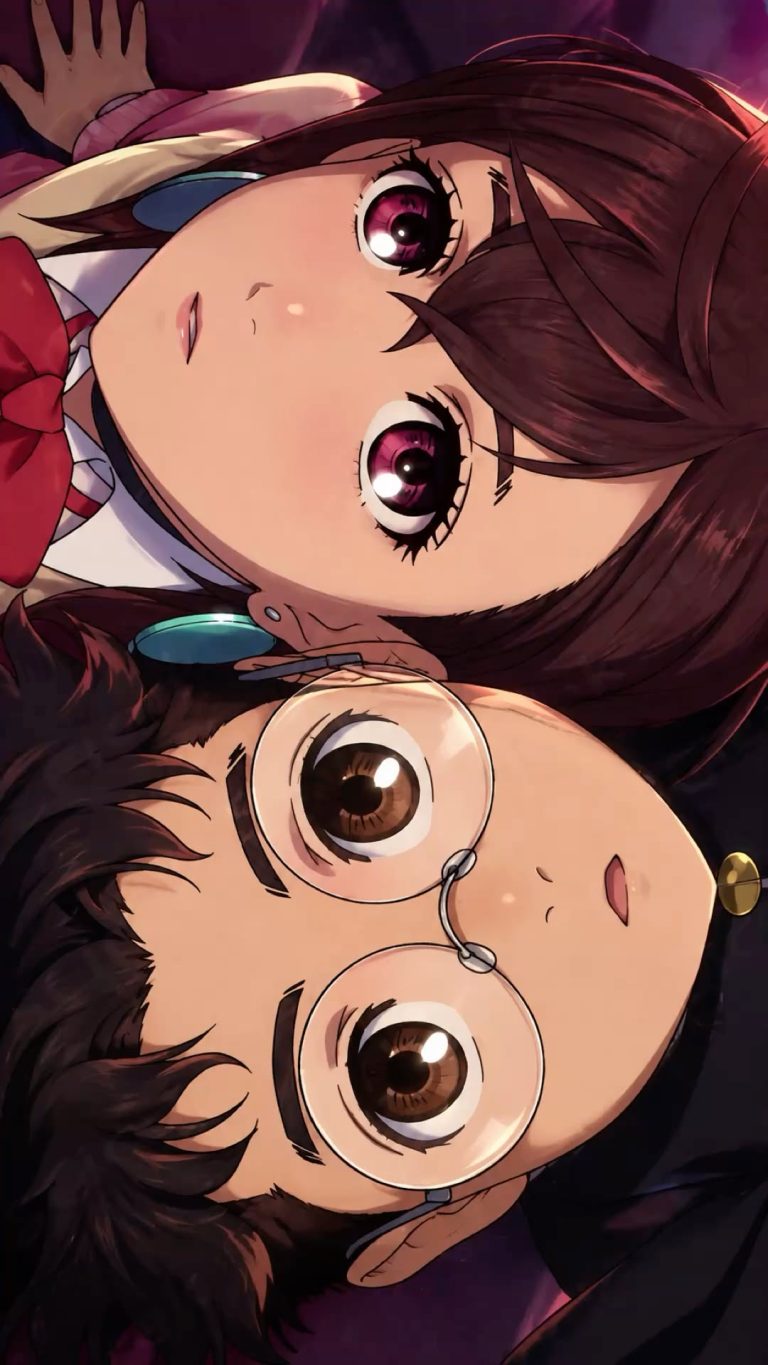
Adapting Shirahama’s hyper-detailed, vintage European storybook etchings into fluid animation seemed almost impossible until animation powerhouse BUG FILMS stepped into the spotlight. Founded by veteran studio producers, BUG FILMS proved its technical agility with explosive sequence designs and vibrant art direction. Guiding the project as head director is industry titan Ayumu Watanabe, celebrated for his cinematic visual mastery in works like Children of the Sea, Summer Time Rendering, and Komi Can’t Communicate.
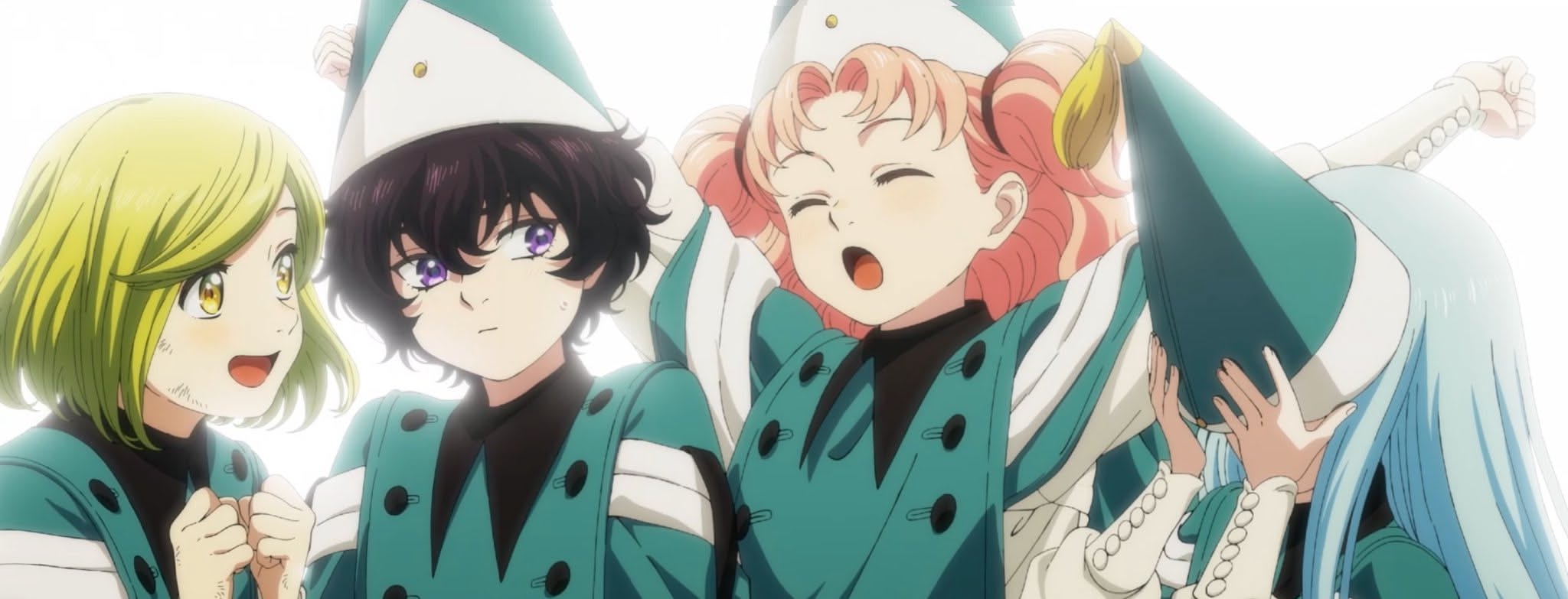
Watanabe’s directorial style specializes in atmospheric lighting, subtle character mannerisms, and breathtaking scale. Adapting an aesthetic as painterly and textured as Witch Hat Atelier requires an uncompromising standard of hand-drawn authenticity. Production teasers have already revealed that the creative staff is prioritizing tactile linework, ensuring that the flowing robes of apprentice witches Agott, Tetia, and Richeh capture the delicate European storybook aesthetics that made the original manga an international sensation.
Elden Ring Maestro Yuka Kitamura Orchestrates the Soundscape
Perhaps the single most electrifying announcement surrounding the anime adaptation is the hiring of legendary video game composer Yuka Kitamura. Best known across the gaming world for her melancholic, thunderous orchestral and choral compositions in FromSoftware masterpieces such as Dark Souls III, Bloodborne, Sekiro: Shadows Die Twice, and Elden Ring, Kitamura brings an unmatched sonic gravitas to the project.
Her distinctive musical palette—marked by haunting solo violins, gothic choral chants, and soaring brass arrangements—provides the ideal sonic counterweight to the darker mysteries underpinning Coco’s magical apprenticeship. Much like the grand cinematic atmosphere praised in upcoming open-world gaming epics such as Death Stranding 2 On The Beach, Kitamura’s soundtrack guarantees that every spell drawn on screen resonates with ancient mystery and emotional weight.
Why Witch Hat Atelier Arrives at the Perfect Cultural Moment
In an anime landscape often dominated by cookie-cutter fantasy tropes and hyper-speed power scaling, Witch Hat Atelier offers something genuinely timeless. It respects the curiosity of its protagonist, treats disability, creativity, and pedagogical ethics with immense emotional maturity, and explores the terrifying societal ramifications of gatekept knowledge.
With Crunchyroll securing streaming rights and BUG FILMS dedicating top-tier animation resources to do justice to Kamome Shirahama’s vision, this adaptation has all the ingredients to become an instant modern classic alongside the greatest fantasy adaptations of our era.
What do you think?
Are you excited to see Kamome Shirahama’s breathtaking magical world brought to life by BUG FILMS and director Ayumu Watanabe? Do you think Yuka Kitamura’s musical score will deliver the same goosebumps as her iconic Elden Ring and Dark Souls tracks? Drop your thoughts, favorite apprentice witches, and adaptation predictions in the comments below!