



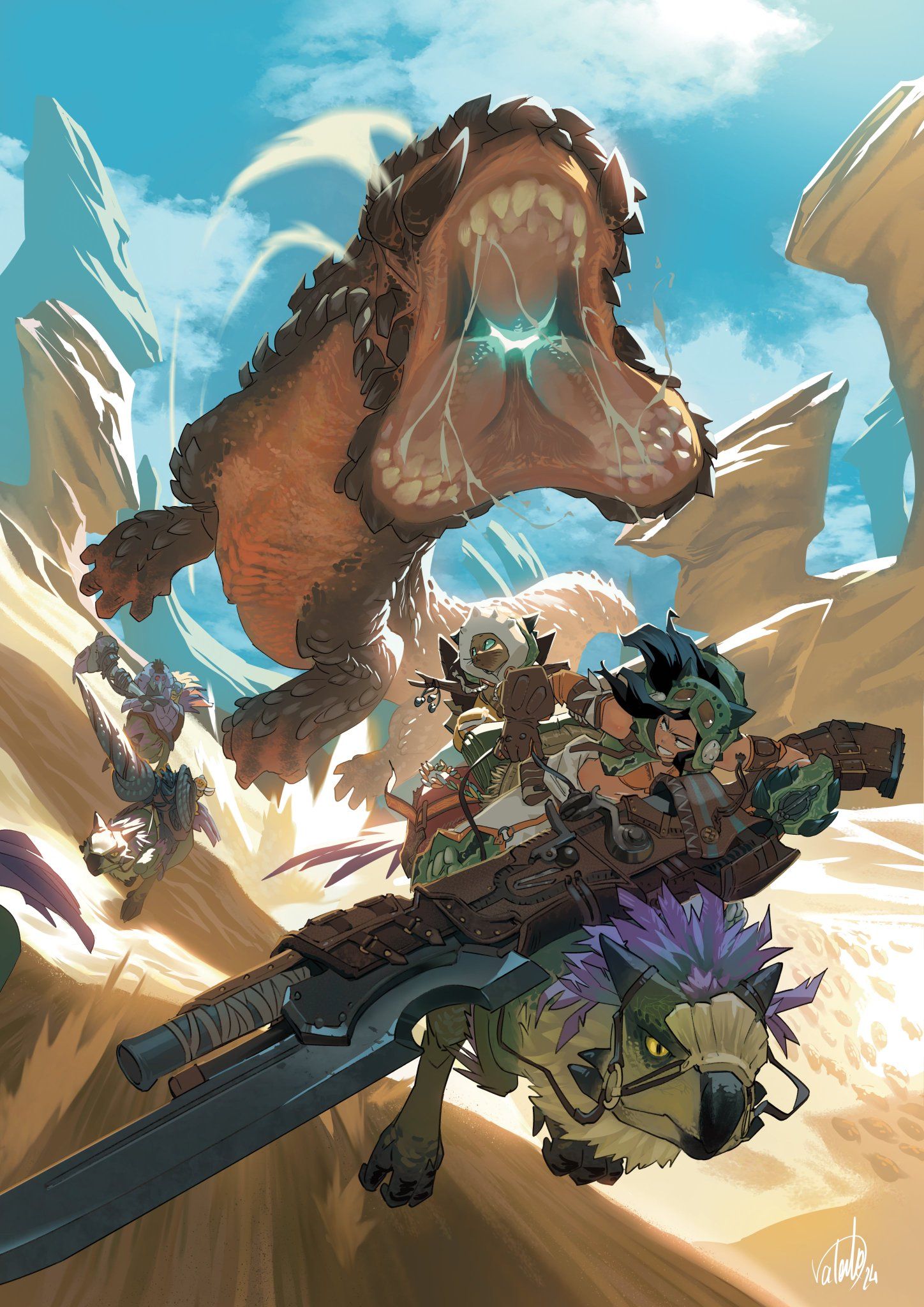
When the servers finally swung open for the global playtest, nobody predicted the absolute digital frenzy that followed. Within mere hours of launch, Monster Hunter Wilds shattered expectations by pulling in over 460,000 peak concurrent players on Steam alone—easily outstripping the launch-day records of its celebrated predecessors, Monster Hunter: World and Monster Hunter Rise. For gaming enthusiasts across the globe, the sheer magnitude of this open beta turnout has transformed Capcom’s upcoming action RPG into the undisputed blockbuster event of 2026.
The Numbers Behind the Digital Stampede: How Monster Hunter Wilds Dominated Steam
According to real-time telemetry from SteamDB and official Capcom live dashboards, the open beta surged past 460,000 simultaneous hunters on PC during its inaugural weekend. To put that monumental achievement into perspective, this playtest milestone eclipses the peak player records of nearly every AAA action RPG release on Steam over the past year. Fans flooded forums and social feeds with screenshots of massive player hubs, queue timers, and frantic hunts across the treacherous Windward Plains.
Series producer Ryozo Tsujimoto and game director Yuya Tokuda had previously teased that Monster Hunter Wilds was engineered from the ground up to offer unprecedented ecological realism and seamless environmental dynamism. Yet, seeing hundreds of thousands of gamers dive into an unfinished test build simultaneously demonstrates an unparalleled level of global anticipation. Gamers eager to test their hardware and sharpen their weapons rallied together in what felt less like a stress test and more like a worldwide hunting festival.
Seamless World, Ruthless Apex Predators: The New Hunting Dynamic
What makes Monster Hunter Wilds feel radically distinct from past entries is its transition toward a fully living, reactive ecosystem. In the beta, players experienced the harsh weather shifts of the Windward Plains, alternating between the barren Fallow periods and the lush Plenty phases. The highlight of the playtest was confronting Rey Dau, the fierce Flying Wyvern known as the apex predator of the Plains, capable of channeling devastating electrical discharges during catastrophic sandstorms.
Beyond monster ecology, the introduction of the Seikret mount has rewritten mobility dynamics. For the first time in series history, hunters can stow a secondary weapon on their mount, enabling dynamic on-the-fly weapon swapping. An agile Long Sword user can smoothly pivot to a Heavy Bowgun when facing aerial assaults, providing tactical versatility that seasoned veteran Kaname Fujioka and the combat design team carefully tuned to expand player freedom without trivializing encounters.
Performance, Optimization, and Community Discourse
While the player enthusiasm was undeniably electrifying, the beta also sparked intense technical debates across the gaming community. Capcom’s proprietary RE Engine was pushed to its technological limits, demanding robust PC hardware and modern upscaling techniques like DLSS and FSR to maintain stable frame rates amid chaotic sandstorms and dense herd physics. Producer Ryozo Tsujimoto promptly addressed player feedback, reassuring fans that the beta client represented an older development branch and that Capcom’s optimization teams are actively polishing shader compilation, CPU overhead, and stability ahead of the official launch.
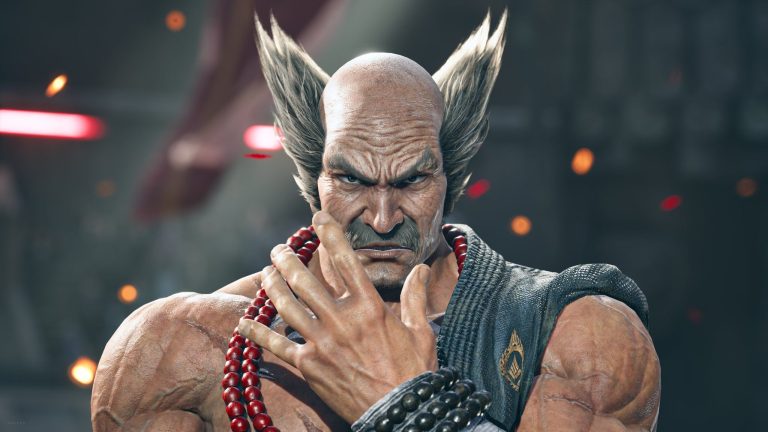
The intense engagement mirrors the industry-wide excitement seen across other major Japanese action releases, such as the tactical community shifts covered in our breakdown of the Tekken 8 Heihachi Mishima competitive meta and the cinematic storytelling innovations examined in Death Stranding 2 On the Beach. Fans are scrutinizing every frame because they understand that Monster Hunter Wilds is primed to set the benchmark for ninth-generation co-op gaming.
Focus Mode and Refined Weapon Mechanics: Raising the Skill Ceiling
Another major leap forward highlighted during the open beta is the newly implemented Focus Mode. By aiming attacks and guards directly toward monster wounds, hunters can trigger Focus Strikes that deal colossal burst damage while carving vulnerable weak points into monster hides. This mechanical refinement bridges the gap between accessible action and high-level mastery, rewarding precise positioning and deliberate tactical execution.
Whether navigating coordinated four-player multiplayer hunts alongside veteran allies or testing solo survival alongside Support Hunters, players were treated to an adrenaline-charged preview of modern gaming combat. As social platforms continue to buzz with clip highlights of razor-thin escapes and thunderous apex monster showdowns, one reality has become undeniable: Capcom’s monster hunting legacy has entered its most ambitious chapter yet.
What Do You Think?
Did you participate in the Monster Hunter Wilds open beta, and were you able to conquer the formidable Rey Dau during the vicious sandstorms? How did your PC or console handle the intense weather systems and particle effects, and which weapon combination are you planning to main upon full release? Drop your hunting tales, loadouts, and performance thoughts in the comments below!




One thought on “Monster Hunter Wilds Open Beta Explodes on Steam: Over 460,000 Concurrent Players Prove Capcom’s Hunting Era Is Unstoppable”