



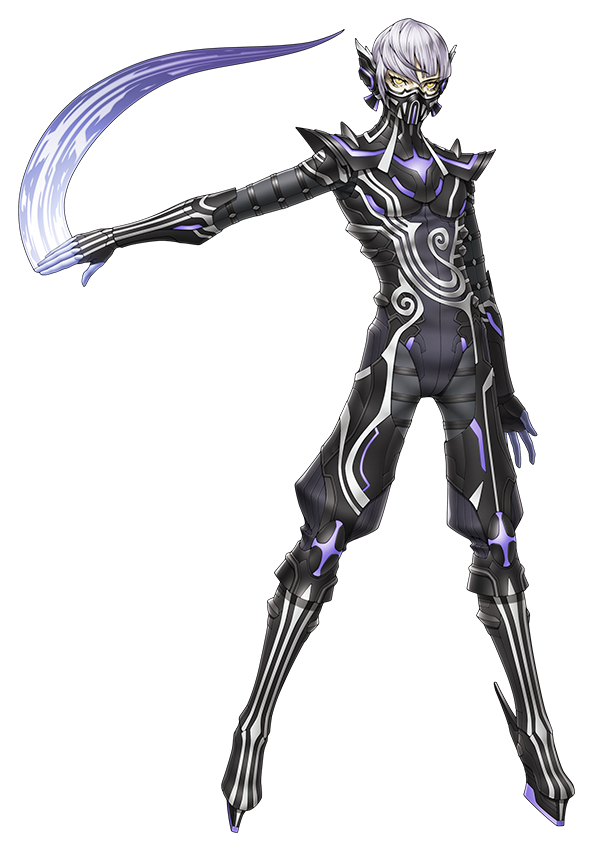
When Atlus originally unleashed Shin Megami Tensei V on the Nintendo Switch back in late 2021, JRPG purists lauded its punishing turn-based combat and atmospheric, ruin-strewn depiction of post-apocalyptic Tokyo. Yet, narrative enthusiasts often noted a distinct emptiness in its minimalist storytelling. Fast forward to Shin Megami Tensei V: Vengeance, and director Shigeo Komori alongside producer Shinjiro Takata have completely rewritten that legacy. By introducing the sweeping Canon of Vengeance storyline, introducing mysterious newcomer Yoko Hiromine, and bringing the full demonic armageddon to PlayStation 5, Xbox Series X|S, PC, and modern consoles at a blazing 60 frames per second, Atlus has delivered an absolute masterclass that challenges even the towering cultural footprint of Persona 5 Royal.
What makes Shin Megami Tensei V: Vengeance an undeniable viral phenomenon among modern gamers? Is this expanded re-release merely an enhanced port, or does it stand as the definitive modern dark fantasy epic every RPG enthusiast must experience? Let us unpack the demonic pacts, tactical brilliance, and shocking narrative revelations behind Atlus’s crowning triumph.
The Canon of Vengeance: A Dark, Divergent Tale of Retribution
Unlike standard definitive editions that tack on an isolated endgame dungeon or a brief epilogue chapter, Shin Megami Tensei V: Vengeance branches right from the very prologue. When the high school protagonist wakes up in the apocalyptic Netherworld of Da’at and fuses with the enigmatic being Aogami to become the god-like Nahobino, players are faced with a pivotal choice: take the hand of a mysterious girl or turn away.
Choosing the new path unlocks the Canon of Vengeance, a completely alternate 75-hour campaign that diverges sharply from the original Canon of Creation. Here, the narrative spotlight centers on Yoko Hiromine, a fierce and cynical transfer student with an exorcist background whose philosophy aggressively questions the rigid dogmas of order and chaos. Alongside her, the story introduces the terrifying Qadištu, a coven of four formidable female demons led by the bloodthirsty matriarch Lilith, alongside Naamah, Eisheth Zenunim, and Agrat bat Mahlat. Their sinister machinations to overthrow the Throne of God introduce intense personal drama, shocking betrayals, and ethical moral grey zones that elevate the lore far beyond anything seen in previous mainline entries.
The Press Turn Battle System Perfected: Magatsuhi Skills and Innate Traits
Combat has always been the pulsating heart of the Megami Tensei franchise, and Vengeance refines the celebrated Press Turn system into an art form. Every encounter demands precision: strike an enemy’s elemental vulnerability or score a critical hit, and your party earns an additional action icon; miss an attack or strike a nullified element, and your precious turns vanish instantaneously.
Director Shigeo Komori implemented transformative gameplay overhauls that make party building endlessly addictive:
- Innate Demon Traits: Over 270 demons now possess unique passive traits that fundamentally alter team synergy. Legendary figures like Jack Frost, Cu Chulainn, and Alice now trigger game-changing chain effects, boosting specific elemental damage, lowering MP costs, or altering buff durations based on companion archetypes.
- Expanded Magatsuhi Skills: Combat dynamics shift dramatically with exclusive dual and faction Magatsuhi abilities. Demons tied by mythological lore or shared factions can unleash devastating team-up ultimates that can instantly turn the tide of high-stakes boss showdowns.
- Demon Haunts and Personal Bonds: Interspersed throughout Da’at are tranquil sanctuaries where the Nahobino can directly converse with recruited demons. Rewarding conversations grant stat boosts, teach rare abilities, and provide hilarious, intimate glimpses into demon personalities rarely spotlighted in hardcore dungeon crawlers.
Audio-Visual Spectacle: Post-Apocalyptic Tokyo Unleashed in 4K 60FPS
While the original Switch release pushed Nintendo’s hybrid hardware to its absolute thermal limits, Shin Megami Tensei V: Vengeance flourishes unrestricted on modern platforms. Traversing the towering red dunes of Minato, navigating the haunting architectural ruins of Shinagawa, and exploring the newly introduced subterranean areas run with buttery-smooth responsiveness and razor-sharp graphical fidelity.
Complementing this visual feast is an unforgettable musical score orchestrated by legendary Atlus composer Ryota Kozuka. Blending crushing heavy metal riffs, dark ambient synthesizers, and haunting sacred chants, the soundtrack intensifies every high-stakes standoff against cosmic entities. From the chaotic battle themes to the mournful world exploration melodies, the music encapsulates an oppressive yet mesmerizing atmosphere unmatched in the genre.
Why Atlus Is Dominating the Golden Age of Japanese RPGs
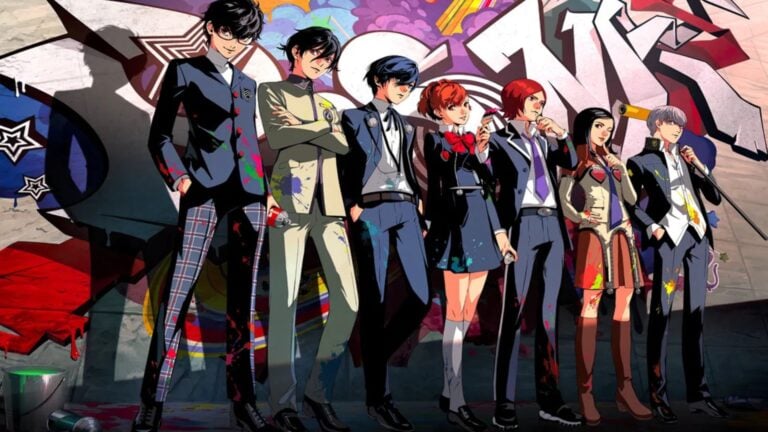
Between the phenomenal reception of Metaphor: ReFantazio, ongoing buzz surrounding next-generation installments like Persona 6, and tactical gems across the industry, Atlus has solidified its status as an untouchable titan of the genre. While the vibrant social simulation of the Persona series continues to attract mainstream pop culture recognition, Shin Megami Tensei V: Vengeance caters directly to those yearning for raw challenge, deep philosophical inquiries, and uncompromising mechanical depth. Furthermore, alongside masterpieces like Romancing SaGa 2: Revenge of the Seven and Monster Hunter Wilds, it proves that traditional, hardcore Japanese gaming is thriving on the global stage like never before.
What Do You Think?
Have you embarked on the harrowing journey through Da’at in Shin Megami Tensei V: Vengeance yet? Did you choose the classic Canon of Creation, or did Yoko Hiromine’s Canon of Vengeance win you over with its darker, emotional stakes? Which demon build has carried you through the toughest boss battles? Share your thoughts, demon fusions, and theories in the comments below!





One thought on “Shin Megami Tensei V: Vengeance Shatters JRPG Standards — Why Atlus, Shigeo Komori, and the Canon of Vengeance Outshine Persona”