




Could Capcom’s next monster-slaying epic completely redefine the high-stakes action combat genre for the next decade? The gaming community found its answer as millions of eager hunters plunged into the massive open beta for Monster Hunter Wilds, sending server queues skyrocketing and dominating social media trends within minutes of going live. Directed by long-time series steward Ryozo Tsujimoto and executive director Kaname Fujioka, this ambitious installment isn’t just another incremental upgrade—it represents a complete structural overhaul of hunting dynamics, biome ecology, and environmental realism.
The Evolution of Combat: Precision Targeting with Focus Mode
For two decades, hunting monsters in Capcom’s flagship franchise demanded meticulous positioning, precise animation commitments, and patience. In Monster Hunter Wilds, the groundbreaking addition of Focus Mode bridges tactical anticipation with fluid modern responsive combat. By holding down the designated focus trigger, hunters can precisely aim strikes and guard in real-time, highlighting monster wounds that glow with critical weak-point vulnerabilities.
Landing consecutive heavy hits against localized parts creates devastating wound ruptures. These moments grant clutch stagger openings, allowing hunters to execute high-damage Focus Strikes without sacrificing mobility. Director Yuya Tokuda emphasized that this system was designed not to lower the franchise’s legendary skill ceiling, but rather to give seasoned veterans and newcomers alike intuitive surgical precision when battling colossal leviathans.
If you enjoy expansive open-world epics that push hardware to its absolute limits, take a look at our breakdown of Ghost of Yōtei: How Sucker Punch and Atsu Are Revolutionizing Open-World Samurai Action on PlayStation 5 to see how modern developers are reshaping interactive storytelling and cinematic exploration.
Dynamic Ecosystems in the Windward Plains: Weather That Fights Back
The open beta introduced players to the harsh expanse of the Windward Plains, a vast arid territory subject to extreme climatic transformations. Unlike static maps of previous generations, ecosystems in Wilds cycle dynamically between the barren, storm-ravaged Inclemency period and the fertile Fallow recovery phase.
During catastrophic Sandtides, lightning arcs violently across shifting sand dunes, altering monster behavior and introducing apex predators like the electric wyvern Rey Dau. The sheer unpredictability of localized weather means no two hunts ever unfold identically. Hunters must adapt on the fly, luring wandering packs of Balahara into terrain traps or baiting roaming Doshaguma alphas into territorial disputes that tear through crumbly rock formations.
The Seikret Mount and Real-Time Weapon Switching
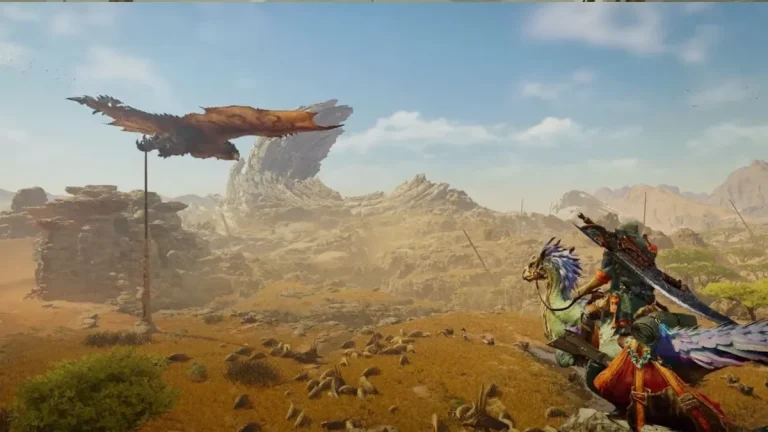
Traversing these colossal biomes would be agonizing without the agile Seikret mount. Far more than a simple transportation tool, this feathered companion can navigate treacherous cliff faces automatically, allowing players to sharpen their Great Swords, consume recovery potions, or craft ammunition mid-stride without halting their hunt.
Even more game-changing is the secondary weapon holster attached to the Seikret saddle. For the first time in mainline franchise history, hunters are no longer locked into a single weapon loadout per expedition. A hunter can engage an enraged flying wyvern using a Heavy Bowgun from afar, mount their Seikret when the beast crashes, switch seamlessly to a Charge Blade, and rush in for devastating close-range elemental discharges. This level of tactical flexibility keeps encounters energetic and unpredictable.
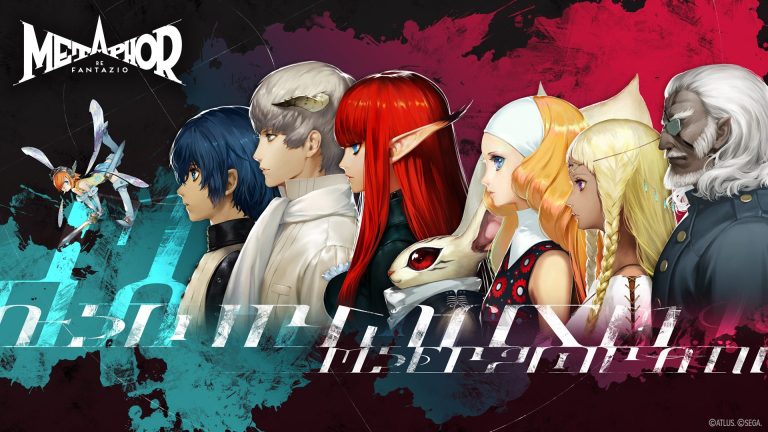
Fans who appreciate intricate battle systems and high-concept tactical depth should also explore our analysis of Metaphor: ReFantazio Shatters JRPG Records: Why Atlus’s Fantasy Masterpiece Is Running Away with Game of the Year for another showcase of peak Japanese role-playing game design.
Why Monster Hunter Wilds Is Poised to Shatter Launch Records
With crossplay support across PlayStation 5, Xbox Series X|S, and Steam on PC, Capcom has eliminated platform barriers that once divided cooperative hunting communities. Even during early beta stress tests, peak concurrent player numbers rivaled established live-service giants, signaling an unprecedented level of worldwide anticipation.
Between seamless transitions from base camps into active hunts, immersive voice acting for your custom hunter, and intricate creature AI that reacts naturally to territorial encroachment, Monster Hunter Wilds feels like the true generational leap fans have waited six years to experience.
What Do You Think?
Did you jump into the Monster Hunter Wilds open beta, and which weapon archetype felt the most satisfying with Focus Mode? Do dynamic sandstorms and real-time secondary weapon swapping elevate the hunting formula, or do you prefer the classic deliberate pacing of older titles? Drop your thoughts, favorite hunt stories, and main weapon picks in the comments below!





One thought on “Monster Hunter Wilds Open Beta Explodes: Why Focus Mode and the Windward Plains Are Changing Action RPGs Forever”