




What makes a legendary role-playing game timeless? Is it the nostalgia of traversing sprawling pixelated continents, or the enduring thrill of assembling a fellowship of warriors against impossible demonic odds? When Square Enix announced that they were taking the crown jewel of classic Japanese RPGs and reconstructing it from the ground up, the entire gaming landscape held its collective breath. Today, Dragon Quest III HD-2D Remake stands as an astonishing testament to video game preservation and reinvention—proving beyond shadow of a doubt that turn-based fantasy is not only alive and well, but thriving at the very peak of the medium.
The Legend of Erdrick: Rebirth of an Epic Masterpiece
Originally released on the Famicom in 1988, Dragon Quest III: The Seeds of Salvation revolutionized the industry by introducing profound party customization, open-ended exploration, and a narrative twist that cemented creator Yuji Horii into global video game history. The young hero of Aliahan, setting forth on their sixteenth birthday to carry on the unfulfilled crusade of their brave father Ortega, is a narrative archetype that inspired nearly every modern adventure story. But in this spectacular HD-2D remake, developed under the meticulous guidance of veteran producer Masaaki Hayasaka alongside Square Enix and Team Asano, that journey feels grander, more atmospheric, and deeply emotional than ever before.
Every corner of the world has been meticulously rendered using the acclaimed aesthetic style first popularized by Octopath Traveler and refined through Triangle Strategy and Live A Live. Sunlight filters through the lush canopy around the tower of Najimi, waves crash against the rocky shores of Portoga with crystalline particle effects, and torches cast dynamic, dancing shadows across the ancient dungeon corridors beneath the pyramids of Isis. The visual presentation creates an astonishing sense of wonder, making familiar routes feel like entirely unexplored territory for both veteran adventurers and eager newcomers.
Revamped Turn-Based Combat and the Brand-New Monster Wrangler Vocation
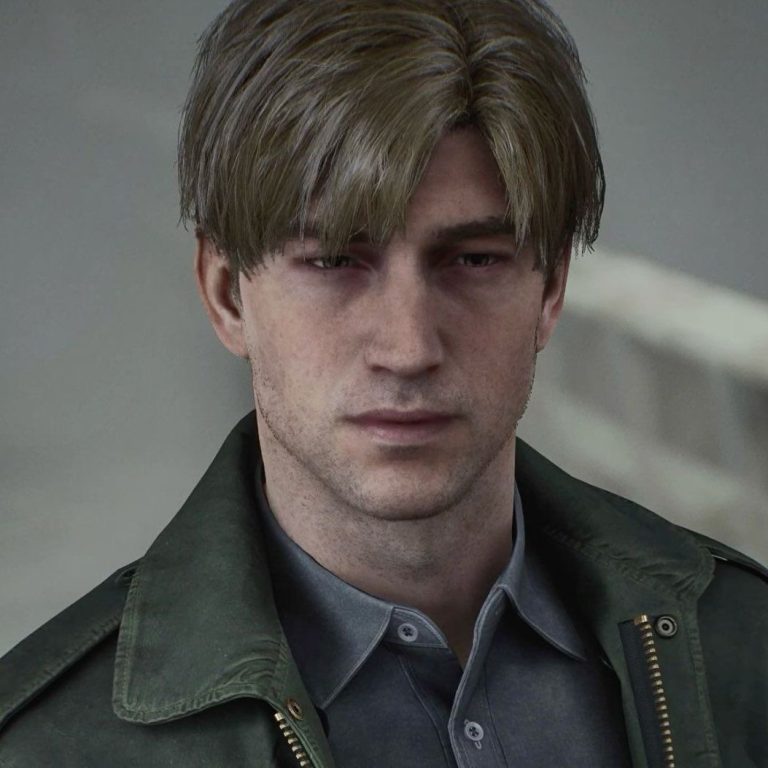
While some modern franchises abandon tactical turn-based roots in favor of pure real-time action—a design shift seen across major blockbusters like Ghost of Yotei and the frantic combat mechanics of Silent Hill 2 Remake—Dragon Quest III HD-2D Remake proudly doubles down on turn-based excellence. Combat encounters remain blistering, highly strategic, and deeply rewarding, amplified by dynamic camera movements, fluid spellcasting animations, and an orchestral score originally composed by the late Koichi Sugiyama that elevates every monster encounter into an operatic duel.
The biggest mechanical revelation, however, is the introduction of the completely new Monster Wrangler vocation. Departing from traditional classes like the Warrior, Mage, Priest, and Martial Artist, the Monster Wrangler allows players to recruit docile creatures roaming the wilderness, unleashing unpredictable beast abilities in combat and unlocking secret battle tournaments. Paired with comprehensive quality-of-life additions—such as adjustable battle speeds, tactical battle logs, autosaves, and custom party personality traits that influence stat growth—the remake completely eliminates tedious 80s grind while preserving genuine tactical depth against punishing Archfiend Baramos encounters.
Honoring Akira Toriyama’s Immortal Artistic Legacy
It is impossible to explore the vibrant kingdoms of Romaria, Jipang, and Tantegel without feeling the immense warmth and creative spirit of legendary manga artist Akira Toriyama. His iconic monster designs—from the grinning blue Slimes and menacing Cruelcucumbers to towering Gold Golems—are brought to life with hand-crafted 3D cell-shaded fidelity that honors his signature style down to every single brushstroke. In a year where fans around the world continue celebrating Toriyama’s peerless contributions to global pop culture, traversing this HD-2D realm feels like stepping directly into an interactive gallery of his greatest fantasy creations.
Furthermore, Yuji Horii and the creative team took extraordinary care to flesh out the narrative surrounding Ortega. Players are treated to emotional cinematic vignettes and newly voiced dialogue sequences depicting Ortega’s travels, personal struggles, and his boundless love for his child. These poignant additions bridge emotional gaps that the 1988 hardware could only hint at, elevating the stakes of your quest far beyond a simple rescue mission into a deeply personal family legacy.
Setting the Stage for the Complete Erdrick Trilogy
Square Enix has masterfully orchestrated this release as the definitive opening chapter of the chronological Erdrick saga, establishing the narrative groundwork for the forthcoming HD-2D remakes of Dragon Quest I & II. By starting at the chronicle’s canonical beginning, players can witness the founding myths that will echo across generations in Alefgard. It stands as an irresistible invitation for modern gamers who missed out on classic JRPG history to experience one of the greatest story arcs ever penned.
What Do You Think?
Are you diving into the gorgeous HD-2D world of Aliahan to test out the new Monster Wrangler class, or are you assembling a classic party of Mage, Priest, and Martial Artist? How do you feel about Square Enix’s HD-2D treatment compared to full modern 3D overhauls? Share your favorite party setups, memories of the Erdrick saga, and thoughts in the comments below!





One thought on “Dragon Quest III HD-2D Remake: Why Square Enix’s Beautiful Revival of the Erdrick Legend Is Redefining Turn-Based JRPGs”