

When Konami first announced that Polish horror developer Bloober Team was tasked with rebuilding the sacred monument of psychological survival horror, skepticism ran rampantly wild across the gaming community. For more than two decades, the fog-drenched streets of Silent Hill 2 stood as an untouchable narrative masterpiece exploring grief, sexual guilt, and devastating sorrow. Many purists feared that an over-the-shoulder modern camera would obliterate the claustrophobic dread that defined the 2001 original. Yet, against virtually every cynical prediction, the Silent Hill 2 Remake has arrived like a thunderclap, earning widespread acclaim, breaking sales milestones, and proving that classic survival horror can be resurrected with breathtaking fidelity and emotional weight.
The Impossible Weight on Bloober Team’s Shoulders
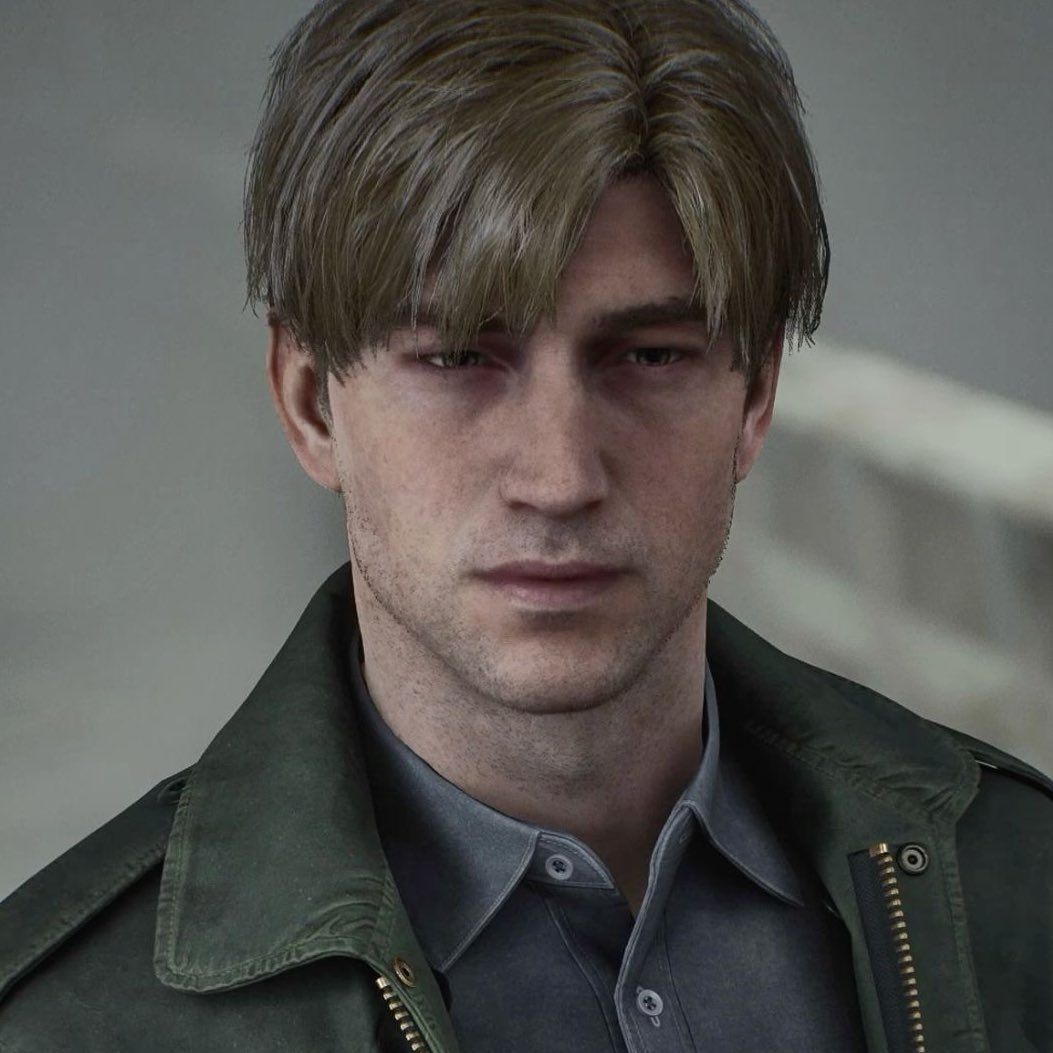
Stepping into the boots of protagonist James Sunderland is not an ordinary gaming experience. Driven by a mysterious handwritten letter from his deceased wife, Mary Shepherd-Sunderland, James arrives in the decaying lakeside resort town of Silent Hill in search of answers. Creative director Mateusz Lenart and producer Motoi Okamoto understood that tampering with this delicate character study could trigger an immense fan backlash. Bloober Team, previously known for walking-simulator style horror titles like Layers of Fear and The Medium, faced the ultimate trial by fire: they had to prove they could deliver tense, deliberate combat alongside haunting narrative storytelling.
By bringing original Team Silent legends directly into the inner production circle—most notably legendary creature designer Masahiro Ito and iconic composer Akira Yamaoka—the remake achieved an uncanny balance between profound nostalgia and modern innovation. Masahiro Ito ensured that every grotesque enemy encounter, from the twitching Lying Figures to the terrifyingly iconic Pyramid Head, retained their deeply unsettling symbolic significance rather than turning into cheap video game cannon fodder.
Rebuilding Fog, Audio, and Atmosphere for Modern Hardware
Built from the ground up in Unreal Engine 5, the visual and acoustic reconstruction of Silent Hill is nothing short of hypnotic. Rather than using fog purely as a technical limitation disguise as the PlayStation 2 hardware originally required, the remake transforms volumetric mist into an oppressive living organism. Moisture clings to James’s green field jacket, dilapidated neon signs buzz with sickly fluorescent hums, and decayed apartment hallways creak under the relentless weight of psychological ruin.
Much of this emotional power stems from Akira Yamaoka’s reworked soundtrack. Featuring reimagined arrangements of timeless themes like “Theme of Laura” and “Promise,” Yamaoka layered brand-new ambient soundscapes that crawl directly beneath the player’s skin. Footsteps echo down rusted iron stairs, wet breathing emanates from unseen corners of Brookhaven Hospital, and spatial audio forces players wearing headphones to constantly question their own senses. Much like the anticipation surrounding Silent Hill f, Konami is demonstrating a renewed commitment to elite atmosphere.
Performance and Narrative: The Haunting Duality of Maria and Mary
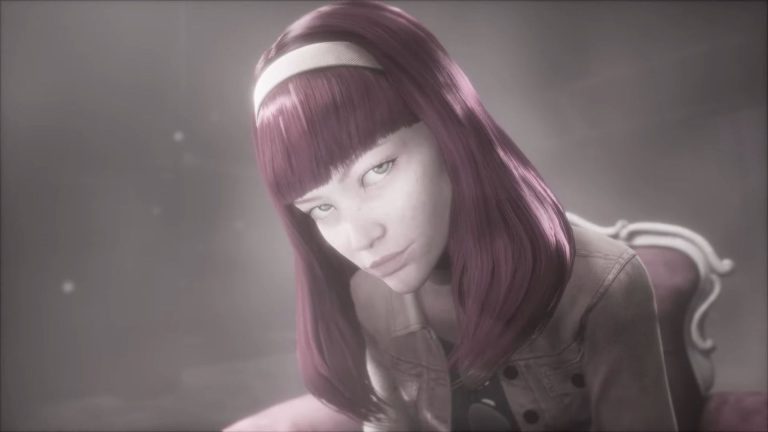
At the center of this tragedy lies the uncanny relationship between James Sunderland and Maria, the enigmatic, flirtatious woman who bears a striking physical resemblance to his lost wife. Through subtle facial performance capture and nuanced voice work led by actor Luke Roberts as James and Salome Gunnarsdottir as Mary and Maria, the emotional turbulence hits far harder than ever before. Every hesitation, sideways glance, and crack in James’s voice conveys a man drowning in denial.
Bloober Team expanded the layout of the town and iconic dungeons such as the Wood Side Apartments, Blue Creek Apartments, and the Lakeview Hotel, without diluting the narrative rhythm. Exploration feels tense, puzzles require genuine observation and note-taking, and survival demands strict resource management. While other modern titles have pursued high-adrenaline combat or grand open-world role-playing systems seen in recent triumphs like Metaphor: ReFantazio, Silent Hill 2 doubles down on deliberate, uncomfortable pacing that allows its haunting revelations to simmer.
The Evolution of Modern Survival Horror
What makes the Silent Hill 2 Remake an undisputed masterpiece is its refusal to modernize away the original game’s tragic soul. It stands proudly alongside the best remakes in gaming history, demonstrating how reverence for source material can coexist with modern gameplay sensibilities. For fans craving deep psychological storytelling, this release echoes the profound thematic ambition gamers look for in titles like Ken Levine’s upcoming psychological shooter Judas.
- Faithful Restoration: Retains every critical story beat while enriching exploration and character intimacy.
- Artistic Vision: Guided by original masters Masahiro Ito and Akira Yamaoka alongside director Mateusz Lenart.
- Masterful Pacing: Tense resource conservation that honors authentic survival horror traditions.
- Emotional Resonance: Groundbreaking vocal performances that elevate James Sunderland’s haunting pilgrimage.
What Do You Think?
Has Bloober Team’s reconstruction of Silent Hill 2 set a new gold standard for survival horror remakes, or do you still prefer the nostalgic grain and fixed camera angles of the 2001 original? Which ending did you unlock on your first journey through the fog—Leave, In Water, Maria, or one of the brand-new secret conclusions? Share your thoughts, theories, and favorite spine-chilling moments in the comments below!