Anime culture is perpetually consumed by seasonal cycles, but few speculative announcements carry the seismic weight of JoJo’s Bizarre Adventure: Steel Ball Run. Ever since the poignant, dimension-shattering conclusion of Stone Ocean aired in late 2022, the collective gaze of the fandom has drifted away from the modern prison yards of Green Dolphin Street and toward the dust-choked trails of 1890s North America. For over a decade, Hirohiko Araki’s magnum opus has stood as an elusive monolith: a high-water mark of manga illustration, narrative complexity, and raw artistic ambition that routinely jostles with Berserk for the top spot on historical reader rankings. Yet, as David Production remains tantalizingly tight-lipped about Part 7, the digital sphere is vibrating with anticipation, analytical breakdowns, and a healthy dose of technical apprehension.
Adapting Steel Ball Run is not simply a matter of picking up where Jolyne Cujoh left off. It represents a philosophical hard reset, a structural renaissance, and an animation hurdle so colossal that industry insiders have long half-jokingly referred to it as an “unanimatable” prospect. As rumors swirl and production chatter grows louder, we stand on the precipice of what could be the defining anime event of the mid-2020s.
A Seinen Rebirth: Leaving the Shonen Restraints in the Dust
To understand the ravenous hunger for a Steel Ball Run anime, one must first appreciate the seismic pivot Araki executed in the mid-2000s. Originally serialized in Weekly Shonen Jump before transitioning to the monthly seinen pages of Ultra Jump, Part 7 freed Araki from the grueling weekly deadline meat grinder and the editorial censorship native to teenage demographic magazines. The result was transformative. The vibrant, punchy aesthetic of the earlier eras gave way to hyper-detailed anatomical precision, intricate cross-hatching, and an unprecedented narrative maturity.
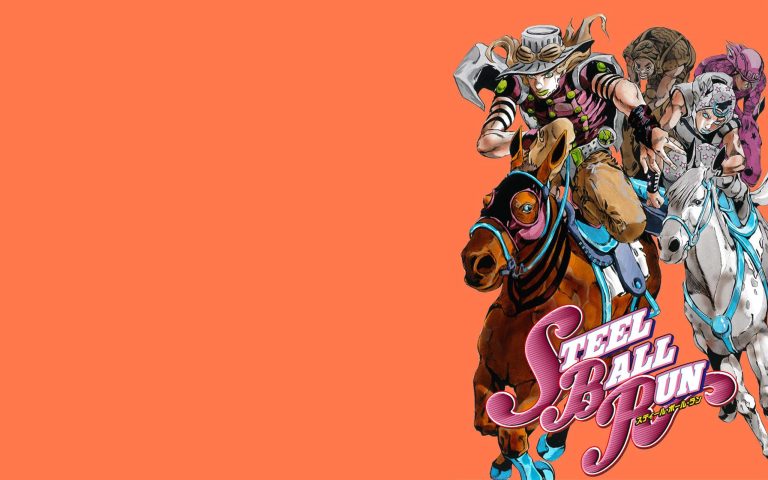
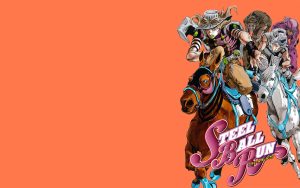
Set against the backdrop of a continent-spanning, cross-country horse race with a fifty-million-dollar purse, Steel Ball Run subverts the traditional martial-arts tournament structure by transforming the American wilderness itself into an active combatant. The race is brutal, cynical, and historically evocative. It weaves genuine turn-of-the-century technological anxiety with supernatural mysticism, grounding Stand battles in vast geographic hazards ranging from the sun-scorched sands of the Arizona desert to the frozen expanse of the Great Lakes.
Johnny Joestar and Gyro Zeppeli: A Masterclass in Psychological Dualism
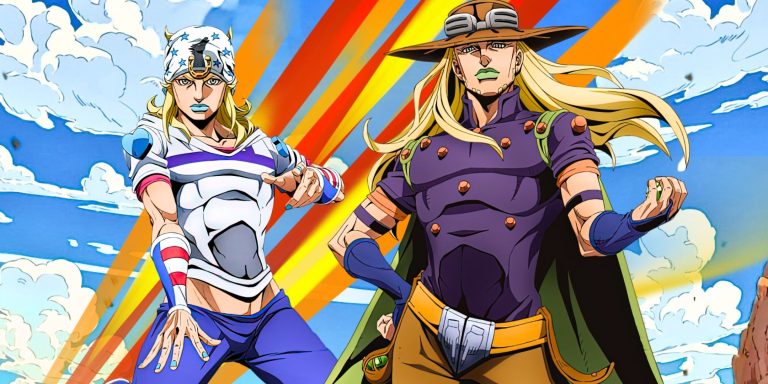
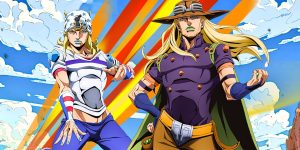
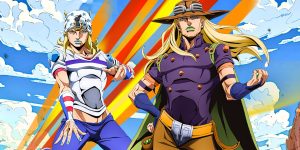
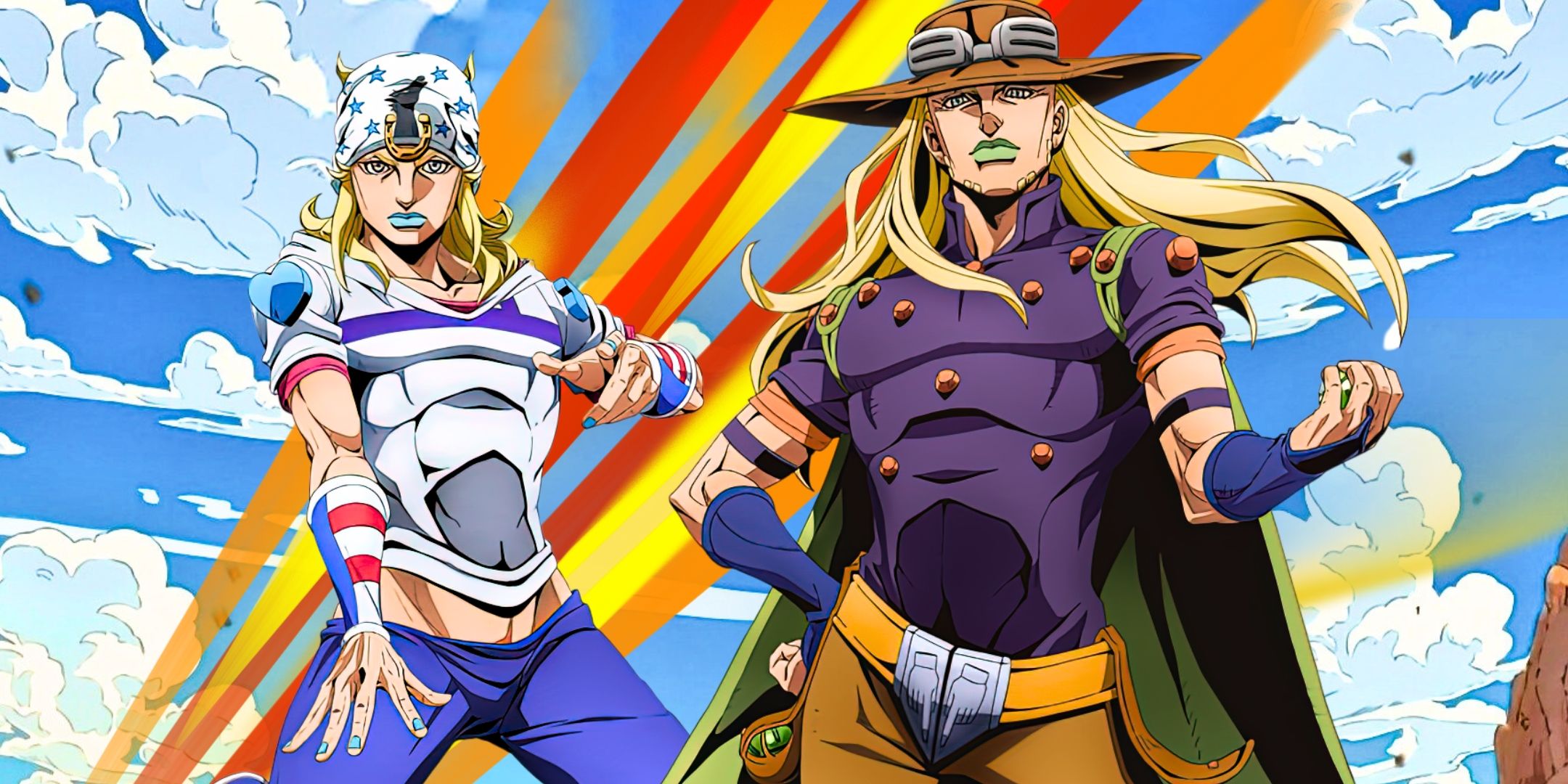
At the beating heart of this sprawling trans-continental odyssey is perhaps the most fully realized duo in modern graphic fiction: Johnny Joestar and Gyro Zeppeli. Unlike the altruistic, chivalrous Jonathan Joestar of Phantom Blood, Johnny is an unapologetic deconstruction of the archetype. Paraplegic following an act of arrogant vanity, Johnny begins the story not as a hero seeking justice, but as a bitter, self-interested former prodigy desperate to regain sensation in his legs.
Araki frequently refers to Johnny’s defining trait as his “dark determination”—an unyielding, sometimes terrifying willingness to cross moral boundaries to claw his way back from a negative state to zero. He is countered, tempered, and elevated by Gyro Zeppeli, a disgraced Neapolitan executioner’s son armed with twin revolving steel spheres, an absurd sense of humor, and a heart far softer than his hardened exterior suggests.
The Geometry of Miracles: The Evolution of the Spin
Where previous parts relied entirely on Stands as manifestations of fighting spirit, Steel Ball Run reintroduces a system of somatic mastery that echoes early-series Hamon: The Spin (Kaiten). Grounded in the mystical application of the Golden Ratio and the Fibonacci Sequence, the Spin is a weaponized form of sacred geometry. Gyro’s spherical trajectory calculations create localized gravitational anomalies, while Johnny’s Stand, Tusk, harnesses this kinetic resonance to evolve through distinct biological stages—eventually piercing dimensions themselves.
The philosophical back-and-forth between Gyro’s stoic, inherited lineage of duty and Johnny’s unvarnished existential hunger produces a character dynamic richer than anything else in the franchise. Their fireside conversations, strange musical improvisations, and escalating camaraderie transform the story from a high-stakes supernatural western into a devastating meditation on grief, sacrifice, and personal redemption.
The Equestrian Nightmare: David Production’s Ultimate Production Hurdle
If the thematic depth of Steel Ball Run is a dream for scriptwriters, the physical mechanics of its production are an undisputed nightmare for animators. There is an enduring maxim within the Japanese animation industry: horses are the graveyard of production schedules. Rendering a single galloping horse in fluid, anatomical, hand-drawn 2D animation requires an extraordinary investment of time and elite key-framing talent. Rendering dozens of them simultaneously, navigating changing terrain, dynamic camera pans, and Stand attacks across multiple cours, borders on industrial madness.
David Production has spent over a decade proving itself the sacrosanct guardian of Araki’s visual flair. From the bold onomatopoeic katakana floating in mid-air to the iconic chromatic palette shifts during moments of heightened tension, the studio has redefined the vocabulary of modern shonen adaptations. Yet, tackling Part 7 will necessitate a radical structural evolution in their pipeline:
Studio heads will almost certainly have to integrate sophisticated 3D CGI models for background racers and prolonged equestrian sequences, much like the hybridized approaches seen in Orange’s Trigun Stampede or MAPPA’s complex set-pieces. The central challenge will be maintaining David Production’s distinct chiaroscuro-inspired linework and expressive character portraits without descending into the uncanny, weightless CG that plagued aspects of the Golden Wind and Stone Ocean climaxes. For SBR to reach its potential, the studio must treat the racehorses not as incidental vehicles, but as living, breathing characters with tangible biomechanical impact.
Funny Valentine and the Corpse: Redefining Antagonism in JoJo Lore
No analysis of the Part 7 hype cycle is complete without interrogating its central antagonist: the 23rd President of the United States, Funny Valentine. In an era where morally gray antagonists have become narrative currency, Valentine stands as an unsettling masterwork. Driven by an uncompromising, messianic brand of American exceptionalism, his pursuit of the mummified Saint’s Corpse parts is framed not through personal greed, but through a terrifyingly earnest desire to grant his nation eternal prosperity at the expense of the rest of the world.
His Stand, Dirty Deeds Done Dirt Cheap (D4C), allows him to traverse parallel dimensions by compressing himself between two objects, creating a puzzle-box of narrative consequences that will challenge the pacing of any television director. The thematic clash between Johnny’s deeply selfish individual desire for healing and Valentine’s utterly selfless, yet monstrously destructive geopolitical nationalism provides an intellectual foundation that outshines the straightforward megalomania of classic villains like Dio Brando or Yoshikage Kira.
The Starting Line Awaits
The discourse surrounding Steel Ball Run has crossed from casual wishful thinking into a full-scale cultural countdown. After the somewhat fragmented reception of Stone Ocean’s Netflix batch-release schedule—a distribution strategy that undeniably suffocated the communal, week-to-week meme culture and organic watercooler discussions that made Stardust Crusaders and Golden Wind international sensations—both fans and critics are demanding a traditional, prestige television rollout for Part 7.
Araki’s magnum opus is a story of immense scale, quiet tragedy, and breathtaking kineticism. It requires patience, immense budgetary faith from Warner Bros. Japan, and an animation team ready to push beyond their physical limits. If David Production can harness the divine geometry of Araki’s pen and conquer the logistical storm of the trans-American trail, Steel Ball Run won’t just be the next chapter of JoJo’s Bizarre Adventure—it has every ingredient to cement itself as a generational masterpiece of modern animation.
How do you think David Production should tackle the legendary horse-racing sequences—cutting-edge hybrid CGI or traditional hand-drawn wizardry? Drop your predictions and dream voice-cast picks in the comments below!