
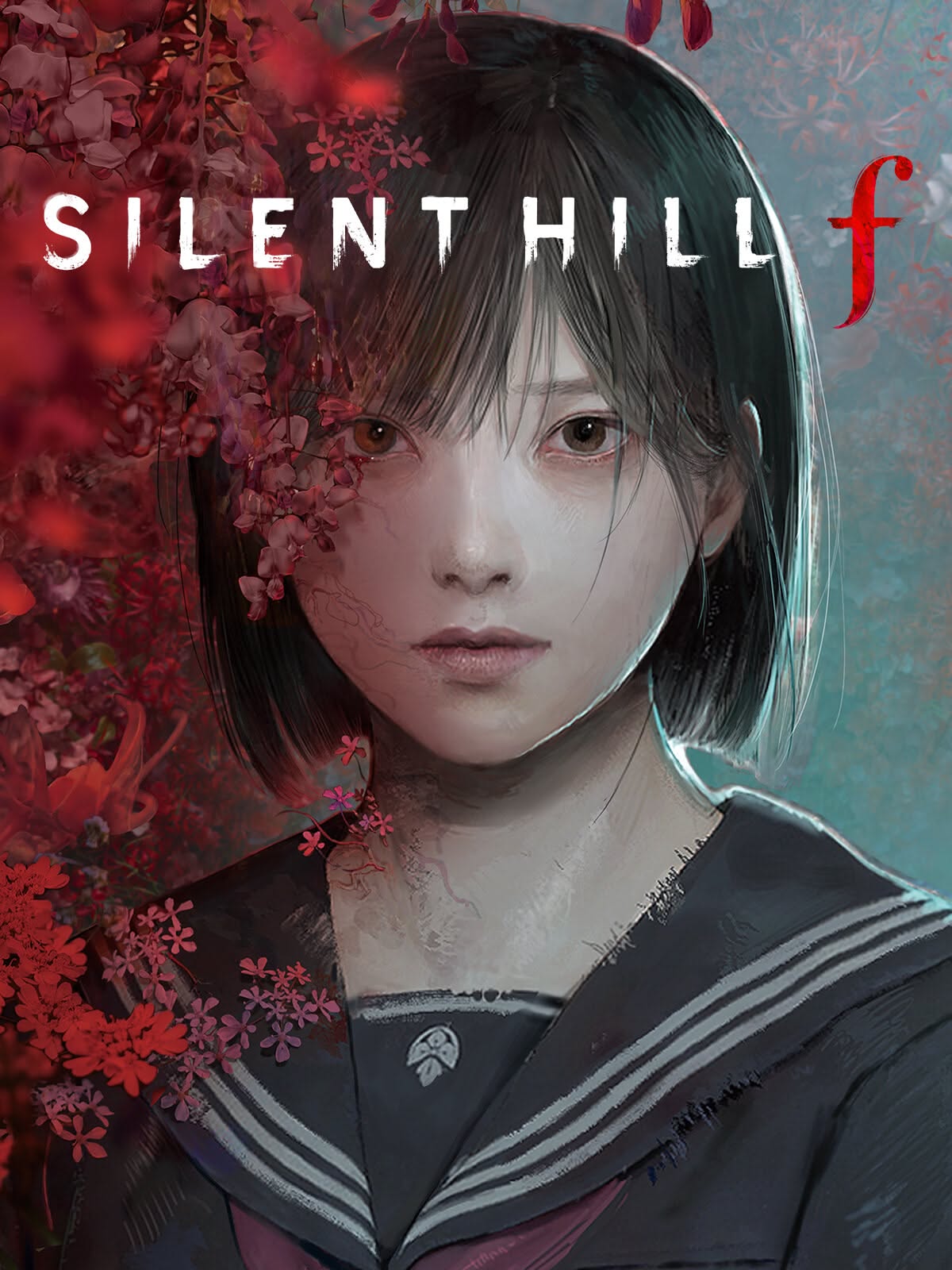
When Konami originally unveiled Silent Hill f, longtime survival horror enthusiasts were captivated by a visual language never before witnessed in the iconic franchise: blood-red spider lilies bursting uncontrollably from decayed wooden tatami floors, mist clinging to suffocating rural valleys, and a schoolgirl slowly consumed by parasitic floral growth. Moving away from the rust, sirens, and industrialized decay of the traditional American resort town, Konami made an audacious creative gamble by transporting its flagship nightmare straight into 1960s rural Japan. But as production details continue to emerge around writer Ryukishi07 and developer NeoBards Entertainment, the gaming community is quickly waking up to a chilling realization: this is not merely a brand-new spin-off, but a radical reinvention poised to push psychological horror to heights the medium has never seen before.
The Genius of Ryukishi07: From Hinamizawa to the Red Mist of Silent Hill
To fully grasp why Silent Hill f has stirred up unprecedented excitement among narrative horror fans, one must examine the mastermind penning its tragic script: Ryukishi07. Renowned worldwide as the legendary author behind seminal sound novels like Higurashi: When They Cry and Umineko: When They Cry, Ryukishi07 has perfected the craft of isolating ordinary characters inside claustrophobic, superstitious village societies where paranoia festered under oppressive cultural silence.
Unlike Western psychological horror tropes that frequently rely on personal guilt manifests and clinical trauma visions, Ryukishi07 builds terror through interpersonal suspicion, generational secrets, and divine retribution. In Silent Hill f, producer Motoi Okamoto specifically sought out the famed visual novel creator to anchor the franchise in an authentically eerie Japanese setting. The terrifying premise of innocent individuals losing their grip on sanity while ancient village customs demand unspeakable blood sacrifices creates an uncanny harmony with the spiritual foundation of Silent Hill’s fog-shrouded Otherworld.
Eerie Aesthetics: Kera’s Body Horror and the Curse of the Lycoris Radiata
Visually, the atmospheric shift is breathtaking yet utterly repulsive. Japanese creature and character designer Kera, celebrated for avant-garde dark surrealism, has engineered a disturbing aesthetic dominated by Lycoris radiata—the ominous Red Spider Lily known throughout East Asian mythology as the Flower of the Underworld. In historic Japanese folklore, these blossoms traditionally mark graveyard borders, guiding souls toward reincarnation while symbolizing eternal parting and tragic farewells.
In the promotional materials crafted alongside NeoBards Entertainment, human figures are seen undergoing visceral floral metamorphosis. Rather than displaying metallic cages or surgical flaying, flesh splits apart to reveal damp earthen roots, blooming petals erupt from shattered cheekbones, and hollow ribcages serve as incubators for sacred botany. This profound synthesis of grotesque violence and mournful natural beauty elevates Silent Hill f into high psychological art, echoing the gothic body-horror legacy established by classic directors like David Cronenberg while maintaining an intimate Japanese Shinto melancholy.
NeoBards Entertainment and Motoi Okamoto: Elevating Mechanical Ambition
Delivering such a daring vision demands seasoned technical craftsmanship. Heading up development is Taiwanese studio NeoBards Entertainment, working under the strategic oversight of Konami producer Motoi Okamoto (veteran of Nintendo classics such as Luigi’s Mansion and Pikmin). Having previously contributed to multiple high-profile entries in the Resident Evil franchise, NeoBards possesses extensive experience with cutting-edge modern survival horror engines, spatial audio design, and bone-chilling enemy physics.
According to insider reports, Silent Hill f completely departs from explosive run-and-gun survival combat. Instead, the game heavily prioritizes brittle resource management, disorienting soundscapes, and nerve-wracking environmental evasion. Players will navigate narrow, damp alleyways between rustic Showa-era wooden houses, where every creaking step threatens to alert grotesque botanical abominations stalking through torrential rainstorms and thick mountain fog.
Connecting the Silent Hill Universe: A Truly Universal Curse
For dedicated lore historians, setting the game in mid-20th-century Japan raises fascinating conceptual questions. Following the worldwide critical and commercial triumph of the Silent Hill 2 Remake by Bloober Team and Konami, fans wondered whether the supernatural power of the Fog World was strictly geographically tethered to the cult of Toluca Lake in Maine. Silent Hill f shatters that limitation, proving that the mysterious spiritual energy capable of manifesting psychological agony and psychic trauma is a global phenomenon capable of warping historical reality anywhere on Earth.
Much like how players witnessed emotional isolation and existential dread in titles like Death Stranding 2: On the Beach and Bleach: Rebirth of Souls, Konami is clearly eager to let visionary Japanese storytellers dissect sorrow, isolation, and taboo through interactive mediums. By trusting Ryukishi07 to pen an uncompromised tragedy, Silent Hill f promises to break the emotional threshold of its audience in ways few modern horror titles dare to attempt.
What Do You Think?
What do you think about Silent Hill f moving the iconic psychological horror franchise to 1960s rural Japan? Do you believe Ryukishi07’s masterclass in supernatural village paranoia will deliver a story even darker than Silent Hill 2? Are you ready to face the terror of the Red Spider Lilies, or will the eerie shift away from Silent Hill town divide longtime fans? Share your thoughts, theories, and excitement in the comments below!