
The 16-Year Miracle: Why Psyren’s October 2026 Premiere Is Shaking the Anime Community to Its Core
For over a decade and a half, Shonen Jump readers maintained an unspoken creed: if you survived the golden late-2000s era of manga serialization without seeing Psyren get an anime adaptation, you were doomed to wait an eternity. Serialized between 2007 and 2010 by mangaka Toshiaki Iwashiro, Psyren stood as one of the most painfully underrated masterpieces in Japanese pop culture history. It was a gritty, pulse-pounding, mind-bending sci-fi battle odyssey that captivated four million tankobon collectors, yet mysteriously vanished into the shadows whenever animation greenlights were handed out. But miracles do happen. Crunchyroll and REMOW have officially unveiled the premiere trailer and confirmed that the Psyren anime adaptation will formally premiere on October 5, 2026, bringing Toshiaki Iwashiro’s post-apocalyptic telekinetic epic into the modern animation spotlight.
The shockwaves rippling across social media, Reddit, and anime forums rival the thunderous excitement surrounding the return of vintage classics like the Magic Knight Rayearth reboot and the brutal supernatural tension in Chainsaw Man International Assassins Arc. Fans who read Ageha Yoshina’s crimson telekinetic awakening back in high school are now tuning in as seasoned anime veterans, and the hype could not be more explosive.
From Red Payphones to Wastelands: What Made Psyren a Cult Phenomenon?
To understand why the internet is melting down over an anime announced sixteen years after its manga concluded, one must look at the groundbreaking premise that made Psyren far ahead of its time. Long before death-game survivals, grim future timelines, and high-stakes supernatural battle tournaments flooded modern streaming queues, Psyren set the gold standard for atmospheric urban mystery.
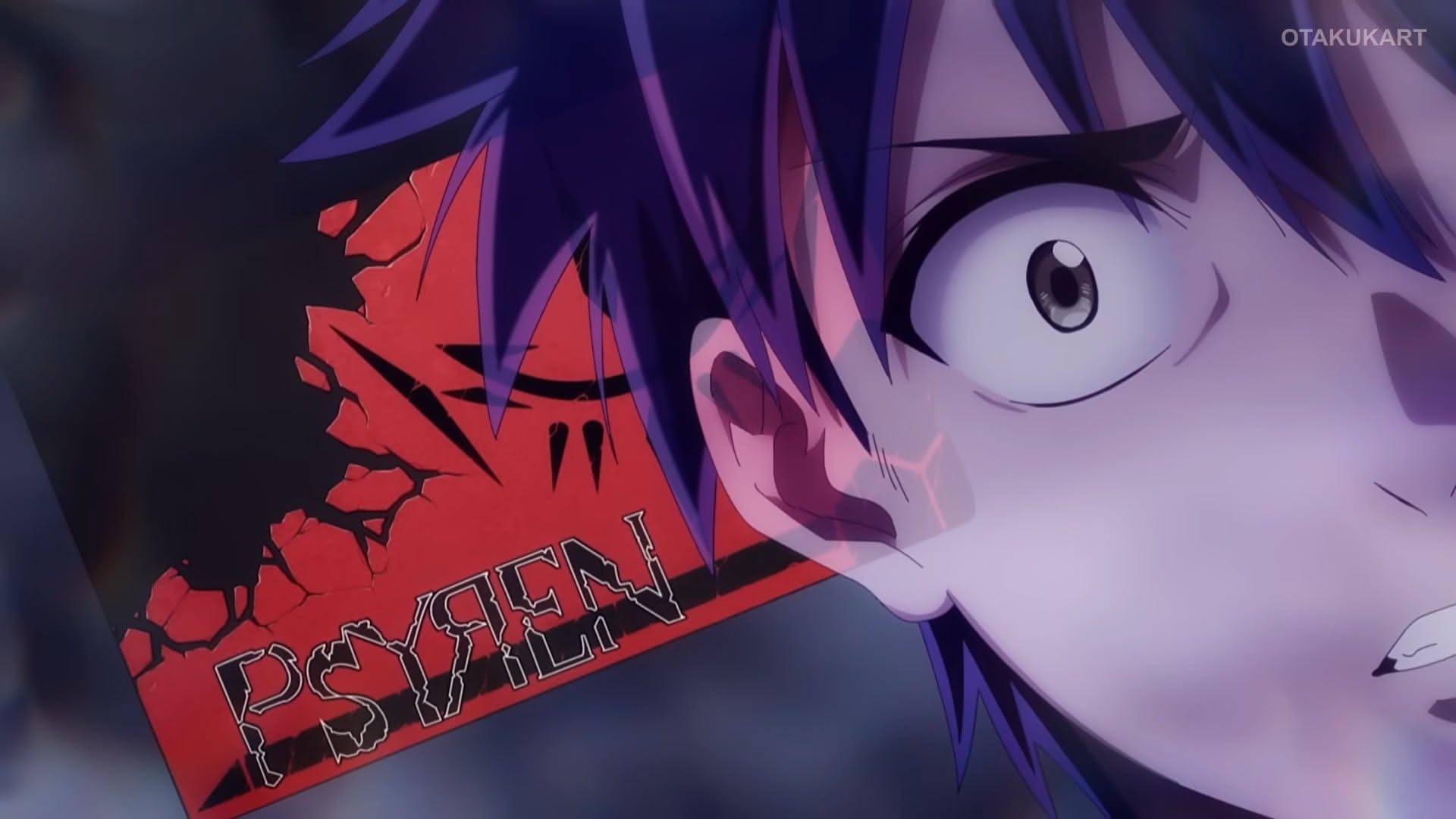
The journey begins deceptively simple: high schooler Ageha Yoshina is a hot-headed troubleshooter willing to handle any neighborhood problem for a flat fee of 10,000 yen. Everything unravels when his childhood friend and classmate, Sakurako Amamiya, vanishes without a trace, leaving behind a mysterious red calling card stamped with the single word: PSYREN. When Ageha uses a public payphone to answer the card’s supernatural calling, he is wrenched out of everyday Tokyo and thrust into a desolate, ruined world crawling with horrific grotesque monsters known as the Tavoo.
In this scorched wasteland, survival is strictly governed by atmospheric PSI powers divided into three distinct psychological disciplines:
- Burst: Raw physical telekinesis that manipulates destructive waves, shock blasts, and kinetic matter.
- Trance: High-level telepathy, sensory disruption, illusion casting, and mind reading.
- Rise: Internal bio-enhancement that accelerates reflexes, muscular power, and biological healing beyond mortal limits.
Every trip to the Psyren wasteland drains a ticking counter on their telephone cards. If you fail to reach the return point, your card expires—and you disintegrate into ash. But the deadliest revelation of all is the truth that shattered readers a decade ago: Psyren isn’t an alien planet or an alternate dimension. It is Japan, devastated by an apocalyptic cataclysm in the immediate future.
Top Fan Theories: How Will the 2026 Anime Handle the Illusive “Nemesis Q” and Timeline Divergences?
With modern production budgets, cinema-grade dynamic lighting, and cinematic sound design now backing the project, fans are eagerly dissecting how closely the adaptation will mirror the original manga—or whether it will expand into uncharted narrative territory. Several compelling theories have taken over the anime sphere leading up to the October premiere:
1. Extended Psychological Horrors in the Nemesis Q Calling Sequences
In the original serialization, Nemesis Q—the shadowy psychic program overseeing the trials—inflicted terrifying cerebral penalties on anyone foolish enough to leak information about Psyren to outsiders. Industry insiders suspect that the 2026 adaptation will amplify the psychological horror elements, turning the initial phone booth summons into heart-stopping cinematic sequences that bridge the gap between supernatural action and genuine psychological thriller, much like the dread seen in Jujutsu Kaisen The Culling Game.
2. Melchsee’s Door and the W.I.S.E. Expansion
One of the manga’s most gripping strengths was the shadowy conspiracy behind the W.I.S.E. organization—the Star Children who orchestrated the downfall of humanity to usher in their psychic paradise. Die-hard manga fans have theorized that Mangaka Toshiaki Iwashiro may have contributed supervisory story notes to flesh out the backstories of Grigori and the younger days of the psychic children at Melchsee’s Door, resolving plot pacing questions that arose during the manga’s original final sprint.
3. Ageha’s Melchsee’s Lance in Modern Sakuga Glory
Ageha’s signature move—the ravenous, black-hole sphere of pure Burst energy known as “Melchsee’s Door” and its evolved combat spear form—was notoriously intricate in ink and paper. Anime animators now possess digital fluid dynamics and particle simulation tools capable of rendering this devouring dark energy into one of the most visually jaw-dropping attacks in modern battle shonen.
Production Quality, Voice Cast, and Global Streaming Expectations
The main promotional video unleashed earlier this month showcased an arresting aesthetic: the stark, desolate contrast between sunny contemporary Shibuya and the ash-choked obsidian ruins of futuristic Japan. Early footage reveals fluid martial arts choreographies blended with kinetic psychic projectile blasts, proving that the production studio treats this beloved retro IP with utmost reverence rather than a disposable nostalgia cash-in.
Crunchyroll’s simultaneous global broadcast scheduled for Monday, October 5, 2026, will ensure that anime fans in over 200 countries and territories can experience every weekly broadcast in synchronized real time with Japanese television. With dubbed versions planned shortly following the initial subbed release, Psyren is poised to become the definitive dark-horse titan of the Fall 2026 anime season.
Final Thoughts: Will Psyren Reclaim Its Rightful Place on the Shonen Throne?
For sixteen years, lovers of intricate battle systems, time-travel paradoxes, and gritty shonen storytelling whispered about Psyren as the ultimate lost treasure of the 2000s. Its sudden resurrection isn’t merely another seasonal release—it is vindication for millions of loyal readers who believed in Toshiaki Iwashiro’s vision when everyone else moved on. As the red payphone rings once again this October, a brand-new generation of viewers will step into the wasteland, dodge the wrath of the Tavoo, and discover what it truly costs to save the future.
Did you read the original Psyren manga when it dominated Weekly Shonen Jump, or will this October premiere be your first time picking up the red calling card? Which psychic ability—Burst, Trance, or Rise—would you train if you were dragged into the wasteland? Drop your thoughts, reactions, and wildest theories in the comments below!