
Phantom Blade Zero did not just launch, it exploded. In only three days after its October 29, 2026 release, S-Game announced that the wuxia action RPG sold over 4 million copies, instantly turning one of the most anticipated Chinese console titles into a global breakout hit. With Soulframe Liang steering the vision, Donnie Yen bringing martial arts star power, and Kenji Tanigaki shaping the action, this is the kind of release that makes the entire action RPG genre stop and pay attention. But what exactly made players rush in so fast?
A Record-Breaking Launch for S-Game
The numbers alone are wild. Reaching 4 million units in 72 hours is not just a good opening weekend, it is a statement. For S-Game, the Beijing-based studio behind the Phantom Blade series, this launch validates years of risky ambition. Soulframe Liang, the game’s director and producer, has been vocal about building a single-player experience that could stand shoulder to shoulder with the biggest names in the industry. The early sales prove that audiences were hungry for exactly that: a premium, story-driven action game with a strong cultural identity.
On Steam, the momentum was impossible to miss. The game surged past hundreds of thousands of concurrent players on launch day and kept climbing through the weekend. That kind of player traffic does not happen by accident. It happens when trailers, word of mouth, and gameplay all hit the same nerve at the same time.
Kungfupunk: A Style You Cannot Ignore
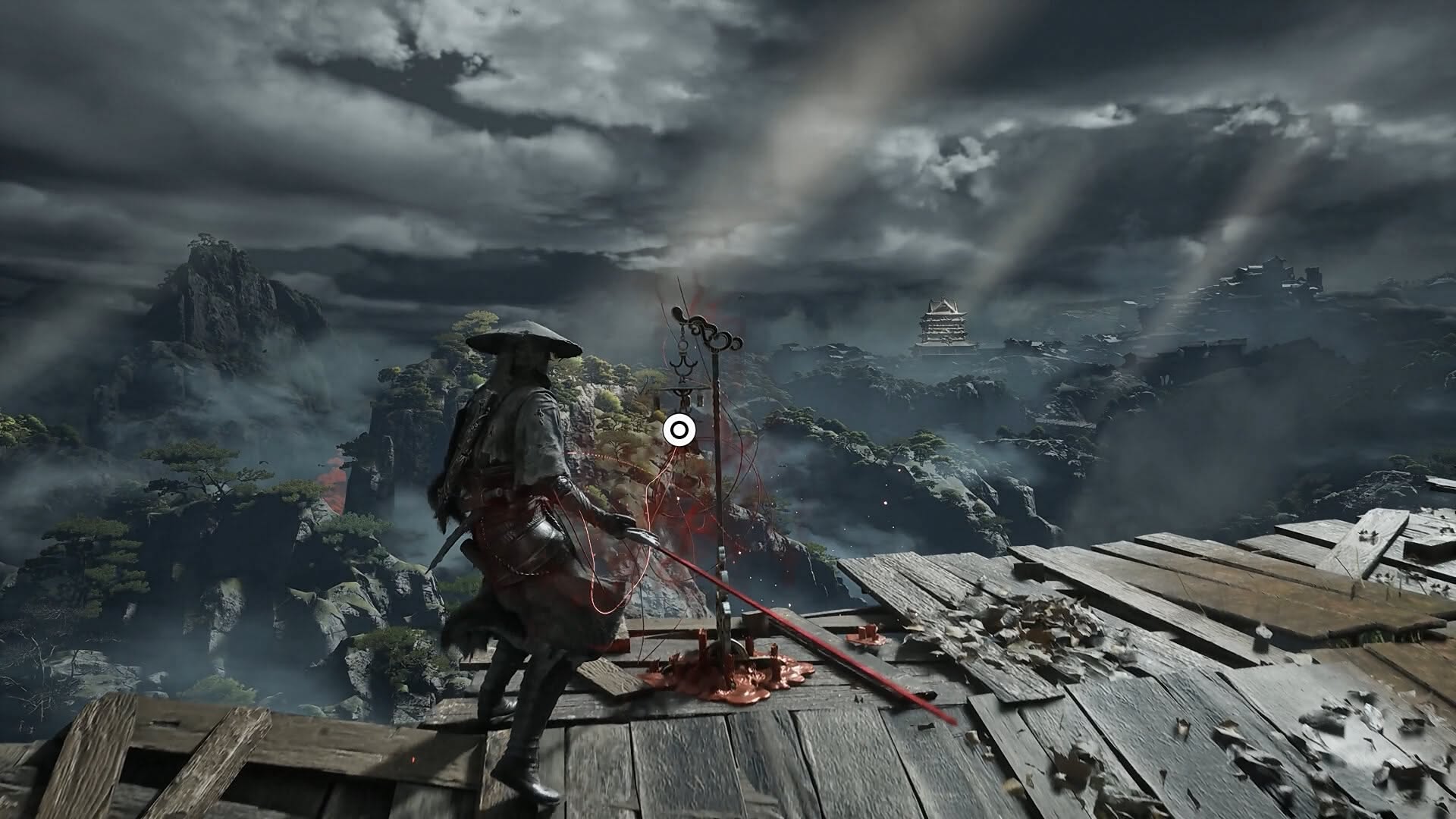
One of the biggest reasons Phantom Blade Zero stands out is its identity. Soulframe Liang calls it “kungfupunk,” a bold blend of traditional Chinese martial arts, wuxia storytelling, steampunk machinery, and cyberpunk edge. Instead of copying familiar dark fantasy formulas, S-Game built a world called the Phantom World, where ancient temples, grim conspiracies, and mechanical horrors coexist in the same frame.
The protagonist, Soul, is an elite assassin framed for murdering the Order’s Shadow Sovereign. Revived with a Tainted Heart, he has only 66 days to live. That ticking-clock premise gives every fight and every story beat a sense of urgency. It is not just about mastering combos; it is about racing against death while uncovering a conspiracy that runs deep through the Wulin underworld.
Combat Designed Like a Martial Arts Film
The combat system is where Phantom Blade Zero truly earns its hype. S-Game designed the action around Chinese martial arts philosophy, where offense and defense can flow together instead of taking turns. Motion capture performances from real martial artists give the animations a grounded, cinematic weight. The result feels less like button-mashing and more like performing deadly choreography.
The involvement of Donnie Yen as a creative consultant and as the character Mó Yuan added serious credibility to the project. Known worldwide for Ip Man and his legendary action career, Donnie Yen helped shape the game’s martial arts authenticity. Action director Kenji Tanigaki, another respected name in fight choreography, also contributed to the action design. Together, they helped S-Game turn kungfu cinema energy into playable combat.
The Team Behind the Blade
While Soulframe Liang is the face of the project, Phantom Blade Zero is clearly a team effort. Composer Caisheng Bo crafted a soundtrack that mixes traditional Chinese instruments like the erhu with modern electronic, rock, and metal textures, giving battles an emotional pulse instead of just background noise. Art director Michael Chang helped define the game’s striking visual identity, leaning into masks, rituals, and cultural details drawn from across China. These choices make the Phantom World feel specific and lived-in rather than generic.
This attention to detail matters. Players can feel when a world is built with intention. From the 66-day countdown mechanic to the weapon variety and phantom edges, the game constantly reminds you that it has its own rules, its own rhythm, and its own personality.
Why This Launch Matters for Action RPGs
Phantom Blade Zero’s success sends a clear message: players want fresh action RPG experiences that are not afraid to be culturally specific. Following the global rise of Chinese single-player hits, S-Game’s breakout shows that the momentum is not a one-time phenomenon. There is room for more studios to bring local legends, martial arts traditions, and bold artistic choices to a worldwide audience.
Of course, big sales do not automatically mean a game is perfect for everyone. Some players will come for the flashy combat, others for the wuxia story, and some may find the fast pace challenging. But that debate is part of what makes a launch like this exciting. Phantom Blade Zero has people talking, comparing, theory-crafting, and sharing clips across every platform.
Read Also
- Professor Layton and the New World of Steam
- Nioh 3 Bloody Insurrection DLC
- Dragon Ball Super: Beerus Remaster Hype
What do you think?
Have you played Phantom Blade Zero yet, or are you still watching from the sidelines? Do you think Soulframe Liang and S-Game just created the next big action RPG franchise, or is the kungfupunk hype moving too fast? Drop your thoughts in the comments and tell us which weapon or boss fight impressed you the most.