


For nearly a decade, JRPG fans around the globe have looked at the color spectrum of modern gaming and asked one lingering question: what comes after the rebellious crimson of Persona 5? The answer has finally exploded into the open, and it is sending shockwaves across the entire gaming industry. Recent internal revelations, developer commentary from Atlus veteran Kazuhisa Wada, and corroborating leaks from industry insider Midori have pulled back the curtain on Persona 6. Codenamed “Carbon”, this next mainline entry is discarding the familiar teenage angst of Shibuya to usher in a dual-protagonist narrative set in an expansive art academy bathed in luminous, organic green.
When director Katsura Hashino and character designer Shigenori Soejima concluded their iconic work on Persona 5 and transitioned to lead Studio Zero’s groundbreaking fantasy project Metaphor: ReFantazio, the torch of Atlus’ flagship franchise was passed to the P-Studio vanguard. Now under the visionary stewardship of Wada and composer Shoji Meguro‘s longtime proteges, Persona 6 stands as the most ambitious, high-budget JRPG production in Sega’s corporate history. But what makes this upcoming revolution so intoxicating, and why is the global community so intensely captivated by its design philosophy?
The Green Revolution: A Daring Aesthetic Evolution
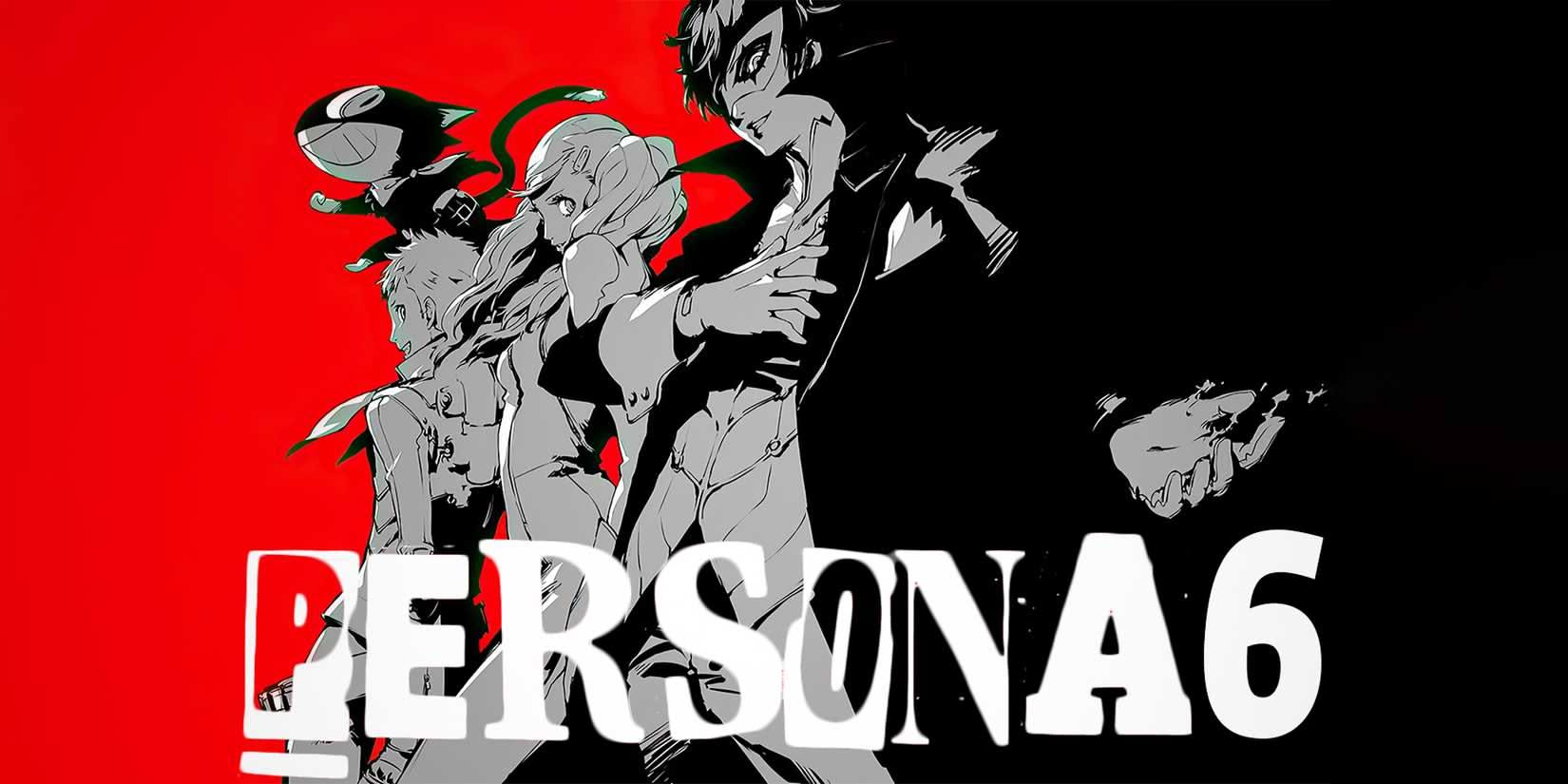
Every modern mainline entry in the Persona franchise is defined by an uncompromising visual identity. Persona 3 anchored itself in melancholic cobalt blue, capturing mortality and psychological isolation. Persona 4 embraced high-contrast golden yellow, channeling youthful optimism, retro television screens, and rural mysteries. Persona 5 ignited a punk-rock revolution with striking crimson and noir comic silhouettes. Persona 6 is charting completely uncharted territory by adopting vibrant emerald and moss green as its thematic anchor.
In Japanese psychological design, green signifies nature, maturation, psychological rejuvenation, and organic change—yet it also carries the unsettling undertone of envy, venom, and toxic decay. Sources close to the production indicate that P-Studio is leveraging this dichotomy to craft a world where personal metamorphosis and societal expectations violently collide. Unlike the urban Tokyo sprawl of previous installments, the setting centers on a prestigious Japanese arts conservatory, where creative expression, psychological duality, and the masks people wear to survive high-stakes scrutiny become the literal catalysts for awakening one’s inner Persona.
Dual Protagonists: Kuro and Shiro’s Divergent Destinies
The single most electrifying revelation surrounding Persona 6 is the return to a dual-protagonist architecture, expanding upon the groundwork laid by Persona 3 Portable while elevating it to unprecedented narrative heights. Known internally by the placeholder code names “Kuro” (Black) and “Shiro” (White), players will experience the intertwining fates of two distinct students with radically opposing worldviews:
- The Male Lead (“Kuro”): A stoic, analytical transfer student burdened by familial trauma, whose narrative path delves into the dark psychological underbelly of high-society art forgery, shadow manipulation, and emotional detachment.
- The Female Lead (“Shiro”): An eccentric, fiercely independent sculptress whose explosive creativity triggers surreal alterations in the collective unconscious, offering a high-energy, emotionally raw perspective on the game’s central mystery.
- Interactive Social Links (Confidants): Depending on which protagonist you choose at the beginning of each seasonal semester, character relationships evolve dynamically, with confidants reacting differently to your choices, aesthetic sensibilities, and moral alignments.
- Seamless Persona Fusion: Igor and the mysterious attendants of the Velvet Room return with an overhauled fusion workshop inspired by classic artistic atelier techniques, allowing players to sculpt custom skill inheritances with pinpoint strategic control.
This structural leap allows Atlus to tell a rich, multi-layered story without relying on repetitive tropes. You are not just saving Tokyo from corrupt politicians or solving serial murders in the countryside; you are exploring the profound boundary between genuine human passion and performative delusion.
Next-Gen Engine Power: From Custom Atlus Tech to Unreal Engine 5
Technologically, Persona 6 represents the largest generational leap the franchise has ever witnessed. Following the technical successes of Persona 3 Reload and Shin Megami Tensei V: Vengeance, Atlus has completely modernized its pipeline around Unreal Engine 5. Gone are the segmented, narrow corridors and loading screens that defined the Tokyo subway system in P5. In their place is a fully realized, seamless semi-open campus and surrounding district where the transition between the daytime school simulator and the surreal subconscious dungeons occurs without a single hitch.
The battle system builds upon the beloved “One More” turn-based mechanics while introducing fluid real-time environmental positioning. Players can fluidly stagger demonic foes, exploit elemental weaknesses with dazzling cinematic camera transitions, and execute group performances that eclipse even the most stylish All-Out Attacks from Persona 5 Royal. Sega president Shuji Utsumi has repeatedly emphasized during financial briefings that Atlus games must target simultaneous worldwide multiplatform launches across PlayStation 5, Xbox Series X/S, PC, and Nintendo’s next-generation hardware from Day One—ensuring that no fan is left behind when the green curtain finally rises.
Why Persona 6 Could Eclipse the Cultural Phenomenon of Persona 5
When Persona 5 launched, it broke out of its niche JRPG status to become a global lifestyle brand, inspiring fashion, jazz music playlists, and crossovers in mainstream fighting games. But that immense legacy also casts a towering shadow. By daring to rewrite the visual aesthetic, doubling down on mature psychological dilemmas, and taking full advantage of modern hardware horsepower, Kazuhisa Wada and his team are not looking backward. They are preparing to deliver a generational masterpiece that redefines what Japanese role-playing games can accomplish on the world stage.
If you’re eager to see how modern Japanese developers are pushing narrative boundaries, check out our recent in-depth coverage of Ghost of Yotei’s massive update and Sekigahara echoes, as well as director Naoki Hamaguchi’s ambitious plans in Final Fantasy VII Remake Part 3 redefining JRPG scale. The golden age of Japanese interactive storytelling is well underway, and Persona 6 looks primed to wear the crown.
What Do You Think?
Are you excited to dive into Persona 6’s brand-new green aesthetic, or do you still have a soft spot for the iconic red rebellion of Persona 5? How do you feel about playing through the story with dual protagonists Kuro and Shiro? Drop your theories, favorite Persona predictions, and wishlist features in the comments below—we can’t wait to hear your take!