
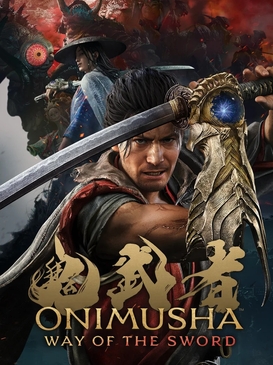
What if the most legendary swordsman in Japanese history came back to life with a demon-slaying gauntlet and a reason to cut through the darkness one more time? That is the irresistible hook behind Onimusha: Way of the Sword, Capcom’s bold return to a classic franchise that has fans asking whether this long-awaited revival can truly recapture the magic. With Miyamoto Musashi at the center of a supernatural war in Kyoto, the game blends historical legend, stylish swordplay, and modern production values into one of 2026’s most talked-about action releases.
A Classic Capcom Franchise Returns With Sharper Steel
After years of silence, Capcom brought Onimusha roaring back with Way of the Sword, a new mainline entry built to honor the series while welcoming a new generation of players. Directed by Satoru Nihei and produced by Akihito Kadowaki, the project aims to balance the franchise’s signature demon-hunting identity with a more grounded, cinematic feel. The result is a game that looks both familiar and refreshingly intense, powered by Capcom’s RE Engine and designed for PlayStation 5, Windows, and Xbox Series X/S.
What makes this comeback especially interesting is how confidently it leans into character-driven storytelling. Instead of simply reviving old ideas, the developers have framed the adventure around a fresh interpretation of Musashi, giving the franchise a strong personality at its core. For longtime fans, it feels like a respectful evolution. For newcomers, it offers a dramatic entry point into a world where steel, spirit, and shadow collide.
Miyamoto Musashi Steps Into a Haunted Kyoto
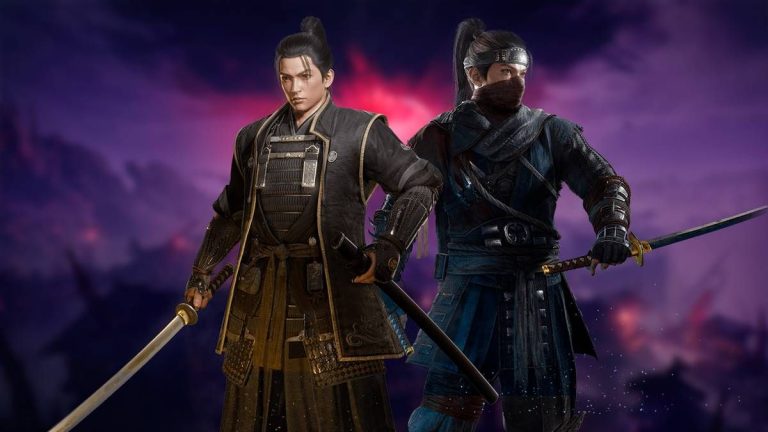
At the heart of the story is Miyamoto Musashi, inspired by the likeness of legendary actor Toshiro Mifune. This version of Musashi is not just a historical icon placed on a poster; he is portrayed as a hardened warrior drawn into a terrifying conflict filled with Genma demons and brutal rivalries. The setting of Kyoto gives the narrative a striking atmosphere, turning familiar streets and temples into battlegrounds where every duel feels personal.
Capcom’s choice to spotlight Musashi is a clever one. He brings instant mythic weight to the experience, but the game also uses that fame to explore vulnerability, growth, and resolve. Alongside memorable foes such as Sasaki Ganryu, Musashi’s journey becomes more than a stylish action showcase. It becomes a story about identity, discipline, and what it means to keep fighting when the world around you feels cursed.
Combat, Craft, and the Thrill of the Perfect Parry
Of course, no Onimusha revival would matter without satisfying sword combat, and this is where Way of the Sword has captured so much attention. Early impressions and post-launch discussion have praised its deliberate pacing, precise parries, and the tension that comes from reading an enemy before striking back. Rather than chasing nonstop chaos, the game rewards timing, awareness, and mastery.
Satoru Nihei and Akihito Kadowaki have spoken about making each clash feel meaningful, and that philosophy shows in the way encounters unfold. Every swing carries weight, every defensive move matters, and every victory feels earned. It is the kind of design that can turn a single duel into a story beat all by itself. In a crowded action market, that focus on readable, skill-based combat may be exactly what helps the game stand out.
Why This Revival Feels Bigger Than Nostalgia
It would have been easy for Capcom to rely only on nostalgia, but Way of the Sword appears determined to prove the series still has something new to say. The dramatic presentation, the reverence for Japanese history, and the modern technical polish all suggest a team that understands why Onimusha mattered in the first place. At the same time, the game is clearly aimed at players who may never have touched the older titles.
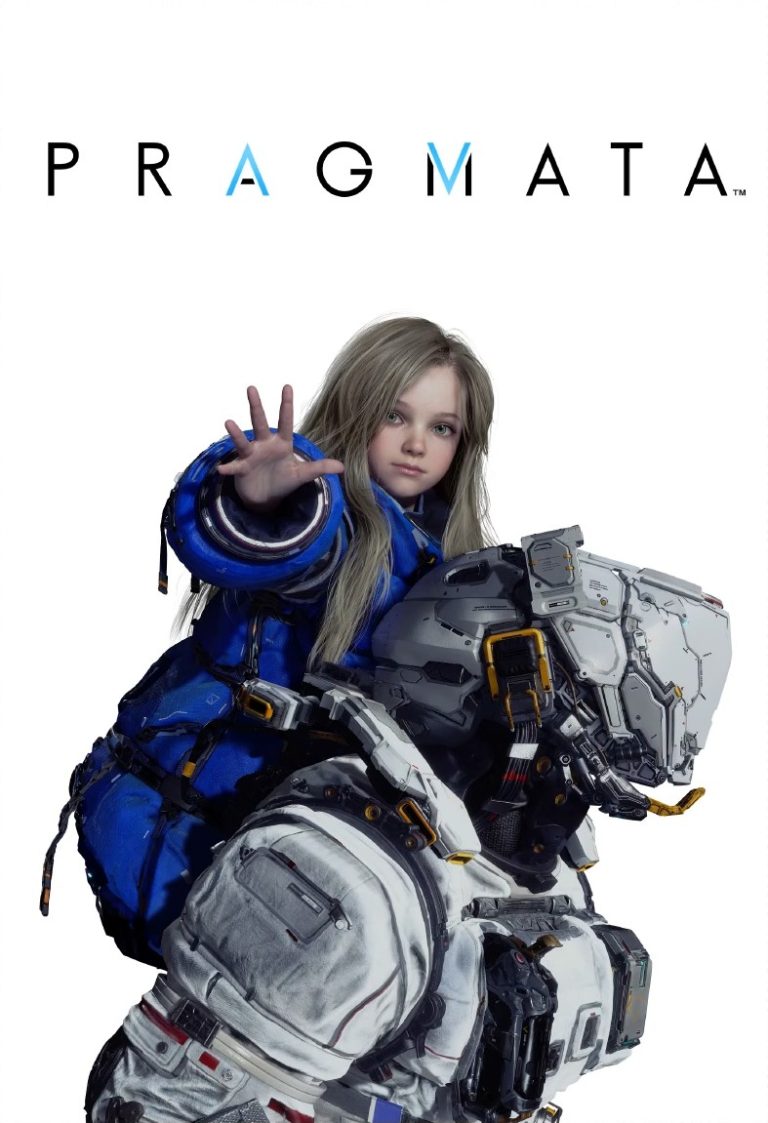
That balance is important. Revivals often struggle when they lean too far in either direction, but this release seems positioned as both a tribute and a reinvention. If you enjoyed seeing Capcom take bold swings with recent projects like Pragmata, this samurai epic shows another side of the publisher’s willingness to revisit and reshape its legacy.
What Do You Think?
So, can Miyamoto Musashi’s return carry Onimusha: Way of the Sword into a new era, or will nostalgia be its sharpest weapon? Did Capcom, Satoru Nihei, and Akihito Kadowaki find the perfect formula for modern samurai action? What do you think?