

For years, if you were a serious anime fan, Crunchyroll was the undisputed home base. It was the platform built by fans, for fans — the place where simulcasts dropped hours after Japan, where obscure seasonal gems lived alongside mega-hits, and where the community felt like it actually mattered. But according to a bombshell new report, that era is officially over.
Netflix has overtaken Crunchyroll as the world’s most popular anime streaming platform, and the data behind the shift paints a picture that should make every anime fan pay attention to what comes next.
The Report That Changed Everything
The findings come from GEM Partners’ 2026 Anime Global White Paper, a landmark study that surveyed approximately 15,000 people across 15 countries to measure anime viewing habits worldwide. The results? Netflix ranked as the number one platform for anime streaming in seven out of nine major markets, including the United States, United Kingdom, Germany, France, and Brazil.
That’s not a marginal victory. That’s a wholesale takeover of the anime streaming landscape by a platform that, just a few years ago, was considered a joke among dedicated anime fans. Remember the batch-release controversies? The months-long delays for simulcasts? Netflix has come a long, long way since then.
Netflix itself has backed up these findings with internal data, previously revealing that more than half of its global subscribers now watch anime content. When you’re talking about a platform with over 260 million subscribers worldwide, that’s an astronomical number of people consuming Japanese animation on a platform that doesn’t even specialize in it.
How Did Netflix Pull This Off?
The answer is deceptively simple: money, strategy, and patience.
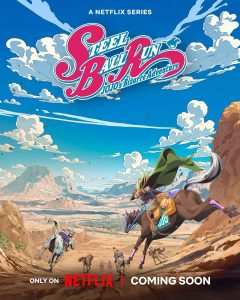
Netflix didn’t try to out-Crunchyroll Crunchyroll. Instead, it played a completely different game. While Crunchyroll focused on volume — simulcasting 40+ titles every anime season — Netflix invested in exclusive, high-profile anime originals that became cultural events. Shows like Cyberpunk: Edgerunners, Devilman Crybaby, and Scott Pilgrim Takes Off weren’t just anime — they were Netflix anime, and that distinction mattered.
The platform also made a critical strategic move by partnering with some of Japan’s most prestigious studios. The Netflix-MAPPA partnership has been particularly fruitful, bringing exclusive productions that you simply cannot watch anywhere else. And then there’s the Kyoto Animation factor — Netflix secured Sparks of Tomorrow, the highly anticipated new series from the legendary studio, set to premiere globally on July 5, 2026. That’s the kind of exclusive that moves subscriptions.
Crunchyroll’s Response: Specialization as a Shield
Crunchyroll CEO Rahul Purini hasn’t buried his head in the sand. In a candid interview, he acknowledged that the competition from Netflix and Amazon is “aggressive” — a remarkably honest admission from the head of what was once the unchallenged anime streaming king.
But Purini remains confident, and his reasoning is sound: “This is not just one genre for us, this is the entire thing.”
That’s a powerful statement. While Netflix treats anime as one impressive section of a massive content library, Crunchyroll’s entire business model revolves around anime. Every feature, every algorithm tweak, every community interaction is designed specifically for anime fans. That kind of focus is hard to replicate, no matter how deep your pockets are.
Crunchyroll has also been evolving. The platform recently confirmed a subscription price increase and announced plans to offer games alongside its anime catalogue — a move that mirrors what Netflix has been doing since 2021. Whether this diversification strategy will help retain subscribers or accelerate the exodus remains to be seen.
The Summer 2026 Battlefield
The timing of this report couldn’t be more relevant. Summer 2026 is shaping up to be one of the most stacked anime seasons in recent memory, and both platforms are bringing their A-game.
Crunchyroll has unveiled a massive Summer 2026 lineup featuring over 50 titles, including highly anticipated series like Black Torch, Tomb Raider King, Mushoku Tensei Season 3, and the continuation of Bleach: Thousand-Year Blood War. It’s a lineup that showcases exactly why Crunchyroll remains the volume king of anime streaming.
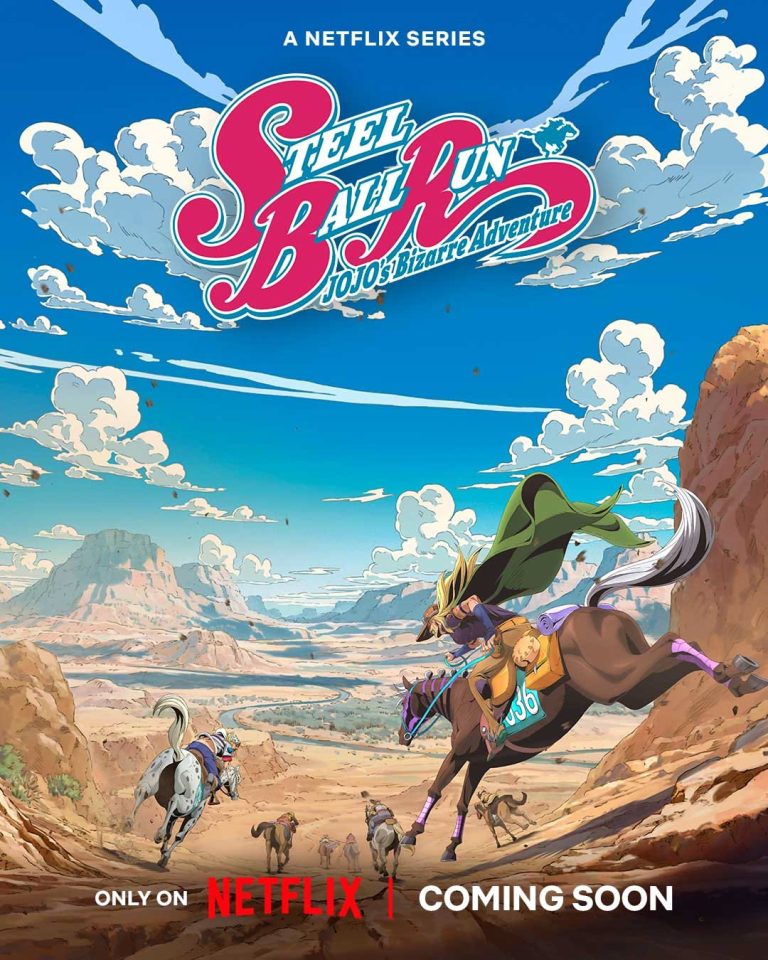
Netflix, meanwhile, is countering with quality exclusives and strategic acquisitions. Sparks of Tomorrow from Kyoto Animation is the headline grabber, but the platform’s broader 2026 slate — bolstered by the MAPPA partnership and several surprise announcements — ensures that anime fans can’t afford to ignore Netflix no matter how loyal they are to Crunchyroll.
What This Means for Anime Fans
Here’s the uncomfortable truth: you probably need both platforms now.
The anime streaming landscape has fractured in a way that benefits no one except the platforms themselves. Exclusive deals mean that your favorite show might only be available on one service, forcing fans to subscribe to multiple platforms just to keep up with a single season of anime.
But there’s a silver lining. This competition is driving innovation. Netflix’s investment in anime has raised the production values of original anime across the industry. Crunchyroll’s response has been to double down on community features and content curation. Amazon is also lurking, expanding its own anime library with selective acquisitions. The result is that anime fans in 2026 have access to more high-quality content, on better-designed platforms, than at any point in history.
The Bigger Picture: Anime Goes Mainstream
Perhaps the most significant takeaway from the GEM Partners report isn’t about which platform is winning — it’s about what the competition represents. Anime has officially crossed the mainstream threshold.
When a platform like Netflix, with its massive global reach, can make anime one of its most-watched content categories, it signals that Japanese animation is no longer a niche interest. It’s a global entertainment force that commands the same attention, investment, and cultural impact as any Hollywood franchise.
The streaming wars are just the beginning. As anime continues its meteoric rise, expect more studios to sign exclusive deals, more platforms to enter the race, and more fans to discover the medium for the first time.
The Verdict
Netflix may have won the numbers game, but Crunchyroll still owns the soul of the anime community. The real winner? Every single anime fan who now has more ways than ever to watch the shows they love.
But here’s the question that keeps me up at night: Is Netflix’s dominance a sign that anime is finally getting the mainstream respect it deserves, or is it the beginning of anime being commodified and stripped of the community culture that made it special in the first place? Drop your thoughts in the comments — I genuinely want to know where you stand on this one.