


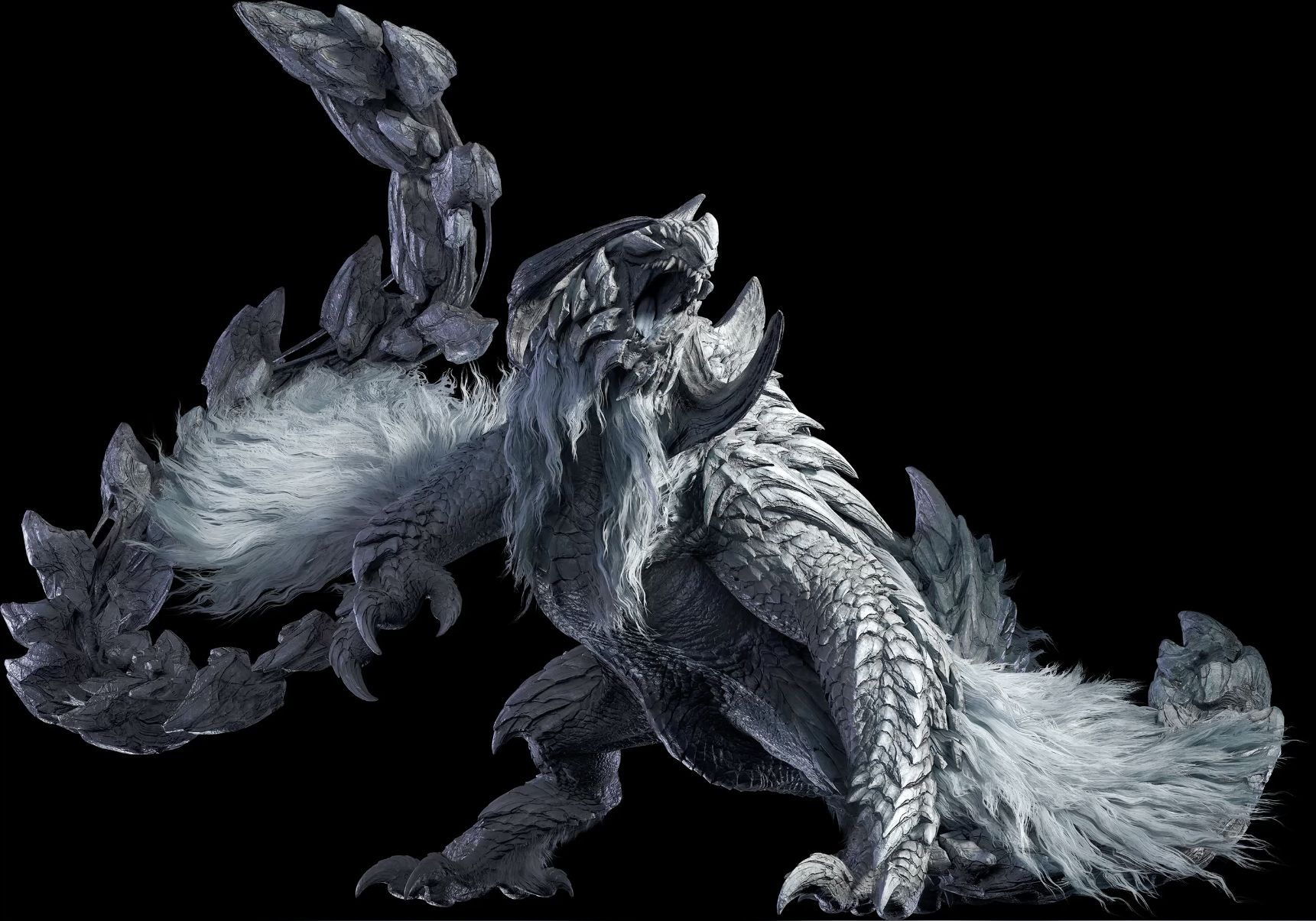
The hunting horn has sounded across the gaming world, and hunters everywhere are holding their breath. When Capcom lifted the veil on Monster Hunter Wilds, the gaming community expected breathtaking vistas and dynamic weather shifts across the Forbidden Lands. What nobody saw coming, however, was the dramatic introduction of Arkveld—a spectral, bone-white apex predator officially designated as the flagship monster that turns traditional ecological hunting logic entirely on its head.
For decades, the Monster Hunter franchise has anchored its thrill in tracking beasts whose biologies felt plausible within their wild biomes. Yet Arkveld introduces an ancient, chilling anomaly. Known inside guild archives as the “White Wraith,” this enigmatic Flying Wyvern belongs to an extinct lineage that has suddenly re-emerged from history. From its whip-like chain appendages to its volatile elemental bursts, Arkveld is already igniting heated discussions across the community. Here is an in-depth breakdown of why Capcom’s latest creation is revolutionizing action RPG combat and setting a brand-new standard for monster ecology.
The Mystery of the White Wraith: Lore and Origins in the Forbidden Lands
In the expansive narrative crafted under producer Ryozo Tsujimoto and executive director Kaname Fujioka, Arkveld does not simply exist as another territorial boss to be felled. Instead, the beast lies at the very emotional epicenter of the Research Commission’s perilous expedition. The story kicks off when an orphaned boy named Nata arrives at the guild’s border after barely escaping a catastrophic monster attack in the uncharted frontier known as the Forbidden Lands.
According to Guild supervisor Fabius and handler Alma, the creature responsible for decimating Nata’s remote settlement matches the description of a legendary wyvern presumed to have perished countless centuries ago. Arkveld is distinguished by jagged, segmented wing appendages resembling flexible chains or whip blades. Unlike typical wyverns whose wings are purely aerodynamic, Arkveld wields these barbed appendages with lethal precision, lashing out at distance before closing in for bone-crushing aerial dives.
This narrative framework gives hunters an intimate emotional stake that elevates the hunt beyond routine resource farming. Players aren’t just hunting for rare carves; they are uncovering an ecological conspiracy that traces back into ancient civilization ruins buried under desert sands and treacherous storm clouds.
Revolutionary Combat Mechanics: Tendrils, Focus Mode, and Fluid Transitions
Hunting Arkveld requires mastering the revolutionary new gameplay innovations built by game director Yuya Tokuda. Chief among these is Focus Mode, which allows players to aim attacks with surgical precision and exploit highlighted wounds created during intense skirmishes. When fighting Arkveld, this precision becomes a matter of survival.
Here are the key tactical layers that make facing Arkveld uniquely challenging:
- Whip-Blade Chain Strikes: Arkveld extends its segmented wing-tendrils to unleash wide-sweeping arcs, catching over-eager blade users who linger too long at medium range.
- Dynamic Environmental Seikret Riding: As weather states violently transition—from arid sandstorms into electrical squalls—hunters must use their agile Seikret mount to reposition on the fly, sharpening weapons or swapping between primary and secondary weapon loadouts seamlessly.
- Wound Exploitation & Clash Attacks: Heavy weapon specialists, such as Great Sword and Charge Blade wielders, can trigger cinematic weapon clashes against Arkveld’s crushing charges, creating massive openings for coordinated squad assaults.
- Elemental Surge Phases: When enraged, Arkveld’s pale scales flush with crackling energy, shifting its attack patterns into relentless multi-hit aerial combos that punish poor stamina management.
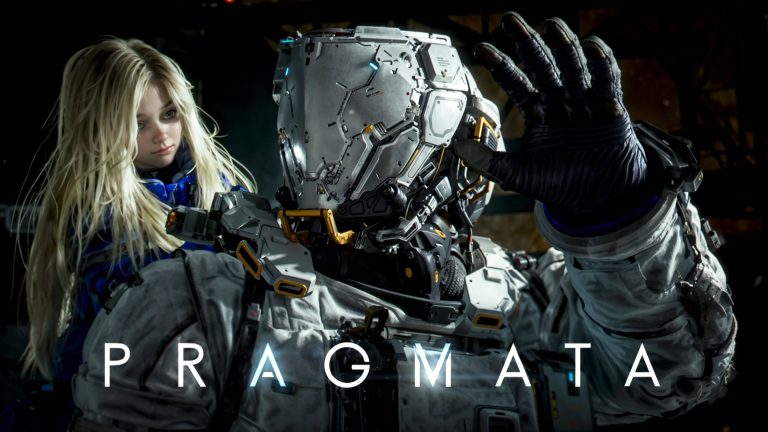
Compared to previous high-intensity franchise showdowns like the strategic duels seen in Capcom’s upcoming sci-fi adventure Pragmata, combat against Arkveld demands relentless spatial awareness and swift adaptability to shifting terrain hazards.
Living Ecosystems: Dynamic Weather and Natural Turf Wars
What truly sets Monster Hunter Wilds apart is how Arkveld interacts with the surrounding food chain. The Windward Plains and surrounding biomes are not static combat arenas; they are thriving ecosystems governed by harsh environmental cycles. When an extreme weather anomaly strikes, apex monsters like the thunderous Rey Dau and apex predator Doshaguma roam aggressively.
Arkveld’s presence acts as an ecological flashpoint. When Arkveld crosses paths with roaming packs, dynamic turf wars erupt in real time without cutscenes. Watching Arkveld overpower rival predators with brutal whip-strikes showcases Capcom’s RE Engine at the height of its graphical prowess, delivering fluid monster interactions, reactive sand deformation, and hyper-realistic creature anatomy that immerse players like never before.
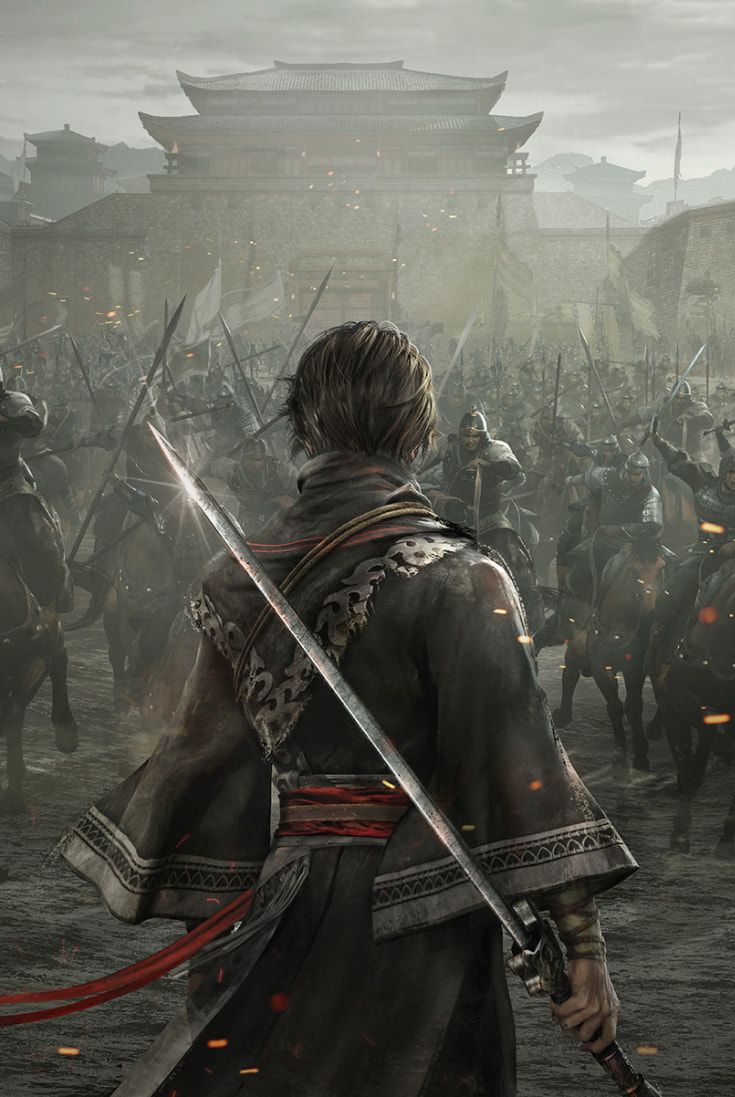
For players who crave atmospheric thrill and intense combat choreography—reminiscent of the cinematic scale in Ghost of Yōtei’s open-world samurai showdowns—the sheer spectacle of tracking Arkveld through blinding lightning storms delivers pure adrenaline.
Crossplay and Accessibility: Uniting Hunters Globally
Beyond gameplay mechanics, Capcom has listened closely to community feedback. Monster Hunter Wilds launches with full crossplay support across PlayStation 5, Xbox Series X|S, and Steam on PC. Whether you assemble a veteran squad of four players or venture into the wilderness with automated Support Hunters, the hunt against Arkveld is designed to welcome both seasoned guild veterans and newcomers discovering the series for the first time.
What Do You Think?
Are you excited to test your skills against Arkveld and uncover the secrets of the White Wraith? Which weapon class will you be bringing to the hunt—the nimble Dual Blades, the punishing Great Sword, or the versatile Switch Axe? Drop your thoughts, favorite hunting memories, and weapon builds in the comments below, and let’s get ready for the hunt together!