Imagine the US President dressing up as a spiky-haired anime ninja and posting it online. Sounds like a joke, right? But when Donald Trump did exactly that, using AI-generated imagery to portray himself as Naruto Uzumaki from one of the most beloved anime franchises in history, the response was anything but funny. Japan itself stepped in with an official warning, and a massive online petition has now crossed 23,000 signatures. This is not just about a meme gone wrong. It is about the collision between AI, politics, and the fiercely protective anime fandom.
What Actually Happened?
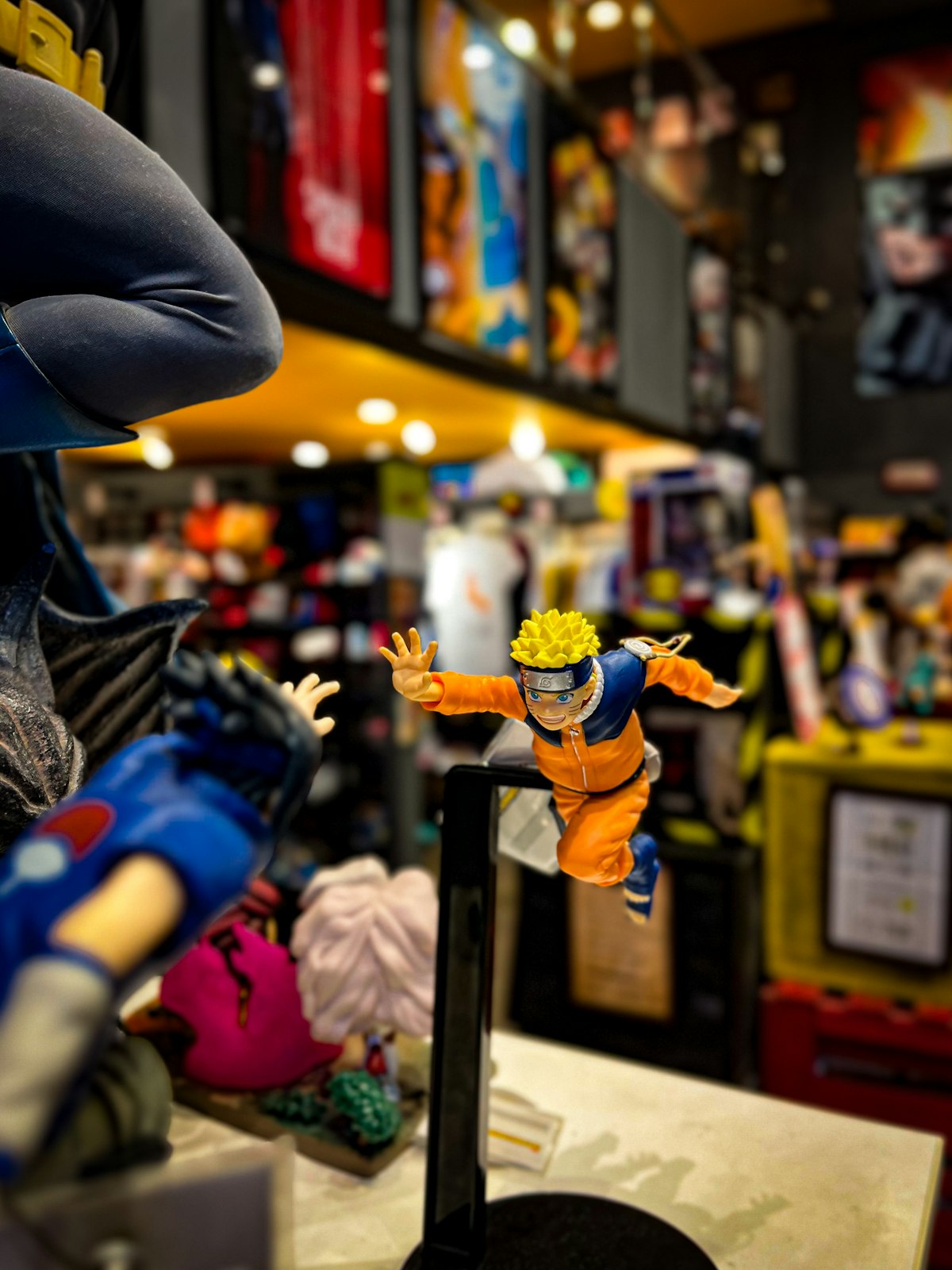
On Saturday, June 14, 2026, President Trump posted a video on Truth Social that featured AI-generated clips of him transformed into various pop culture avatars. One of the most prominent depictions showed him as Naruto Uzumaki, the iconic protagonist of Masashi Kishimoto’s legendary manga and anime series. In the video, Trump is seen wearing Naruto’s signature orange-and-black jumpsuit, complete with a forehead protector, and performing animated ninjutsu hand signs.
The video was clearly created using AI deepfake technology, but that did not stop it from going viral within hours. What Trump and his team apparently did not anticipate was the explosive reaction from Japan and the global anime community.
Japan Fights Back
The Japanese government issued a rare public statement directed at Washington, reminding the United States that anime characters are protected under Japanese copyright law. Characters like Naruto Uzumaki are intellectual property owned by Masashi Kishimoto and published by Shueisha, one of the largest manga publishers in the world. Using these characters without permission, especially in a political context, is a serious violation.
What makes this situation unprecedented is that it is not just a legal matter. It has become a cultural one. Anime is one of Japan’s most powerful cultural exports, generating billions of dollars annually. Series like One Piece, Demon Slayer, and My Hero Academia are watched by hundreds of millions of fans worldwide. Naruto, which ran from 1999 to 2017, remains one of the most recognizable anime properties on the planet. Fans view these characters not as disposable memes, but as deeply meaningful cultural artifacts.
The Petition That Blew Up
Within 48 hours of Trump’s post, a Change.org petition was launched demanding that the White House stop using anime and manga characters in AI-generated political content. The petition was not started in Japan alone. Signers came from the United States, Europe, Southeast Asia, and Latin America. It quickly surpassed 19,000 signatures and is now past 23,000, with new signatures arriving by the hour.
The petition’s creators argue that the unauthorized use of copyrighted anime characters for political self-promotion undermines the creative rights of artists like Masashi Kishimoto, Eiichiro Oda (creator of One Piece), and Koyoharu Gotouge (creator of Demon Slayer). It also sets a troubling precedent for how AI can be weaponized to appropriate cultural IP without consent.
Why This Matters Beyond Anime
The Trump-Naruto incident is not an isolated event. It represents the growing tension between AI-generated content and intellectual property rights worldwide. In 2026 alone, we have seen controversies around AI art, deepfake music, and unauthorized character usage across multiple industries.
The anime industry is particularly vulnerable because its characters are globally recognized but often inadequately protected by international copyright frameworks. Publishers like Shueisha, Kodansha, and Shogakukan have been pushing for stronger cross-border IP enforcement, but political figures using AI to co-opt these characters operate in a legal gray zone.
This incident also raises questions about diplomatic soft power. Japan has invested decades in building anime as a positive cultural force. When a sitting US President uses a beloved Japanese character as a political prop without permission, it damages the relationship between the creators and the platform being used to represent them.
What Comes Next?
Legal experts suggest that while individual fans may feel outraged, pursuing legal action against a sitting US President would be extraordinarily complex. However, the pressure campaign appears to be working. The Japanese government’s direct statement to Washington, combined with the viral petition and widespread media coverage from outlets like the New York Times, BBC, and South China Morning Post, has forced the issue into the mainstream conversation.
For anime fans worldwide, this moment has become a rallying point. It is about respecting the artists who created the characters we love and recognizing that copyright is not just a corporate concern. It is a matter of creative dignity.
What Do You Think?
Was Trump’s AI Naruto video a harmless joke, or a genuine violation of creative rights? Should governments step in when political figures use copyrighted anime characters without permission? And what does this mean for the future of AI and intellectual property in the entertainment industry? Drop your thoughts in the comments below. We want to hear from you.