



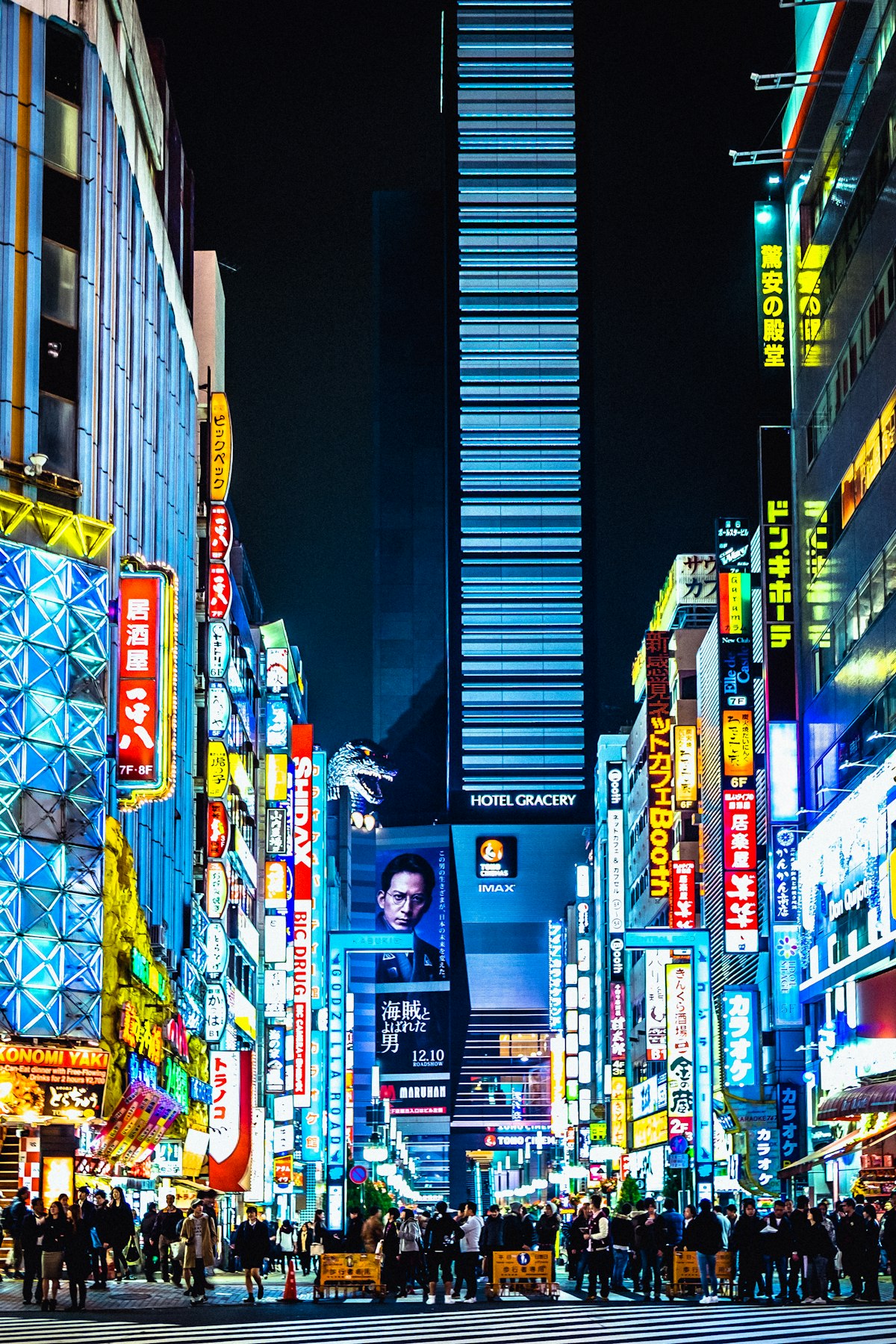
Japan is experiencing an unprecedented wave of anime tourism in 2026, and it’s reshaping the entire travel industry. What used to be a niche hobby — visiting real-world locations that inspired your favorite anime scenes — has exploded into a full-blown cultural phenomenon. According to recent data, searches for “anime tourism” and “anime pilgrimage” have surged 195% year-over-year, and Japan’s national tourism strategy is actively embracing it.
If you’re an anime fan who’s ever walked through a real-life version of your favorite show’s setting, you know exactly why this matters. And if you haven’t? 2026 might just be the year you book that flight.
What Is Anime Tourism, Exactly?
Known in Japan as seichi junrei (聖地巡礼) — literally “pilgrimage to sacred places” — anime tourism involves fans traveling to real-world locations that appear in anime, manga, and visual novels. It started as a grassroots movement among dedicated otaku but has now become a mainstream driver of Japan’s tourism economy.
Small rural towns that would otherwise struggle with depopulation have seen dramatic economic boosts simply by being featured in popular anime. Some locations now install commemorative plaques, create official walking guides, and even host anime-themed festivals that draw tens of thousands of visitors annually.
The Biggest Anime Pilgrimage Routes of 2026
Code Geass: Geass of Rebellion
One of the most unexpected tourism booms of 2026 has been the Code Geass pilgrimage route. Nearly two decades after the series first aired, fans are still flocking to locations across Japan that served as inspiration for the fictional Holy Britannian Empire and its clashes with the Japanese resistance.
The Shinjuku district in Tokyo remains a focal point, but lesser-known spots like the scenic coastlines and historic buildings featured throughout the series are now seeing organized tour groups. Japan’s 2026 tourism strategy has formally integrated these routes, offering designated pilgrimage maps and transit guides specifically designed for Code Geass fans.
Banana Fish: New York to Japan
The Banana Fish anime pilgrimage is a particularly fascinating case because the series is set primarily in New York City — but key emotional moments take place in Japan, and fans have created a trans-Pacific pilgrimage experience that spans two countries.
In Japan, locations associated with the series’ Japanese characters have become gathering points for fans who want to connect with the show’s themes of friendship, trauma, and redemption. The emotional resonance of the series means these visits are often deeply personal — less sightseeing, more memorial.
Frieren: Beyond Journey’s End
Perhaps no anime has captured hearts quite like Frieren: Beyond Journey’s End, and its impact on anime tourism in 2026 is undeniable. The series’ European-inspired landscapes — based on real locations across Germany, Austria, and Central Europe — have sparked a completely new category of anime tourism: European anime pilgrimages.
Japanese and international fans alike are now booking trips to the actual villages and cathedrals that inspired Frieren’s breathtaking fantasy world. It’s a phenomenon that stretches far beyond Japan’s borders and proves that anime tourism is no longer a Japan-only experience.
Japan’s 2026 Tourism Strategy: Anime Goes Mainstream
What makes 2026 different from previous years is that Japan’s government is no longer just tolerating anime tourism — it’s actively promoting it as part of the national tourism strategy. Here’s what that looks like:
- Designated pilgrimage routes with official maps, signage, and multilingual guides
- Expanded anime districts in Tokyo (Akihabara, Ikebukuro, Nakano) with new attractions and events
- Rural town partnerships — small communities featured in anime are receiving government support to develop infrastructure for visiting fans
- Annual anime tourism calendar — a centralized schedule of conventions, exhibitions, and special events tied to specific anime locations
This coordinated approach means that fans planning anime pilgrimages in 2026 have access to resources that simply didn’t exist a few years ago. It’s no longer about piecing together fan wikis and Google Maps pins — the infrastructure is now official and professional.
The Economic Impact Is Massive
The numbers tell an incredible story. Towns that have been featured in hit anime series regularly report:
- 200-500% increases in visitor numbers during peak pilgrimage seasons
- New businesses opening specifically to serve anime tourists — themed cafes, merchandise shops, and guided tours
- Revitalization of areas that were previously experiencing population decline and economic stagnation
- Increased international visibility for rural communities that rarely appeared on the global radar
For some towns, a single anime appearance has been the difference between slow decline and genuine economic revival. It’s hard to overstate how transformative this has been.
Where Does This Trend Go Next?
The anime tourism boom shows no signs of slowing. Industry observers are already predicting several developments:
AR-enhanced pilgrimages are on the horizon. Imagine pointing your phone at a real-world location and seeing the anime scene overlaid on top of it — essentially a mixed-reality pilgrimage experience. Several startups are already building technology in this space.
Official anime tourism packages are becoming increasingly common. Travel agencies in Japan now offer curated itineraries that combine multiple anime locations into single trips, complete with themed hotels, exclusive merchandise, and access to limited-edition events.
Global expansion beyond Japan is the next frontier. With series like Frieren inspiring European pilgrimages and other anime featuring settings in Southeast Asia, South Korea, and even the United States, the concept of anime tourism is becoming truly international.
How to Plan Your Own Anime Pilgrimage
If you’re inspired to plan your own anime tourism trip, here are some tips to get started:
- Choose your anime — Pick 2-3 series with locations you want to visit. Don’t try to do too many at once.
- Research the real locations — Use fan-maintained wikis and official pilgrimage guides to map out exact spots.
- Time your visit carefully — Many locations have seasonal relevance (cherry blossoms for spring scenes, snow for winter episodes).
- Check for events — 2026’s official anime tourism calendar means there are likely festivals and special events happening near your destinations.
- Respect the locals — These are real communities, not theme parks. Follow guidelines, don’t trespass, and support local businesses.
The Bottom Line
Japan’s 2026 anime tourism boom isn’t just a trend — it’s a cultural shift. Anime has gone from a subculture interest to a legitimate driver of international tourism, economic development, and cross-cultural exchange. Whether you’re a lifelong anime fan or someone who’s just discovering the medium, there’s never been a better time to experience the magic of seeing your favorite fictional worlds come alive in the real world.
The question isn’t whether you should plan an anime pilgrimage. The question is: which anime are you going to follow first?
Have you ever visited an anime location in real life? Share your pilgrimage story in the comments — we’d love to hear about your experience!