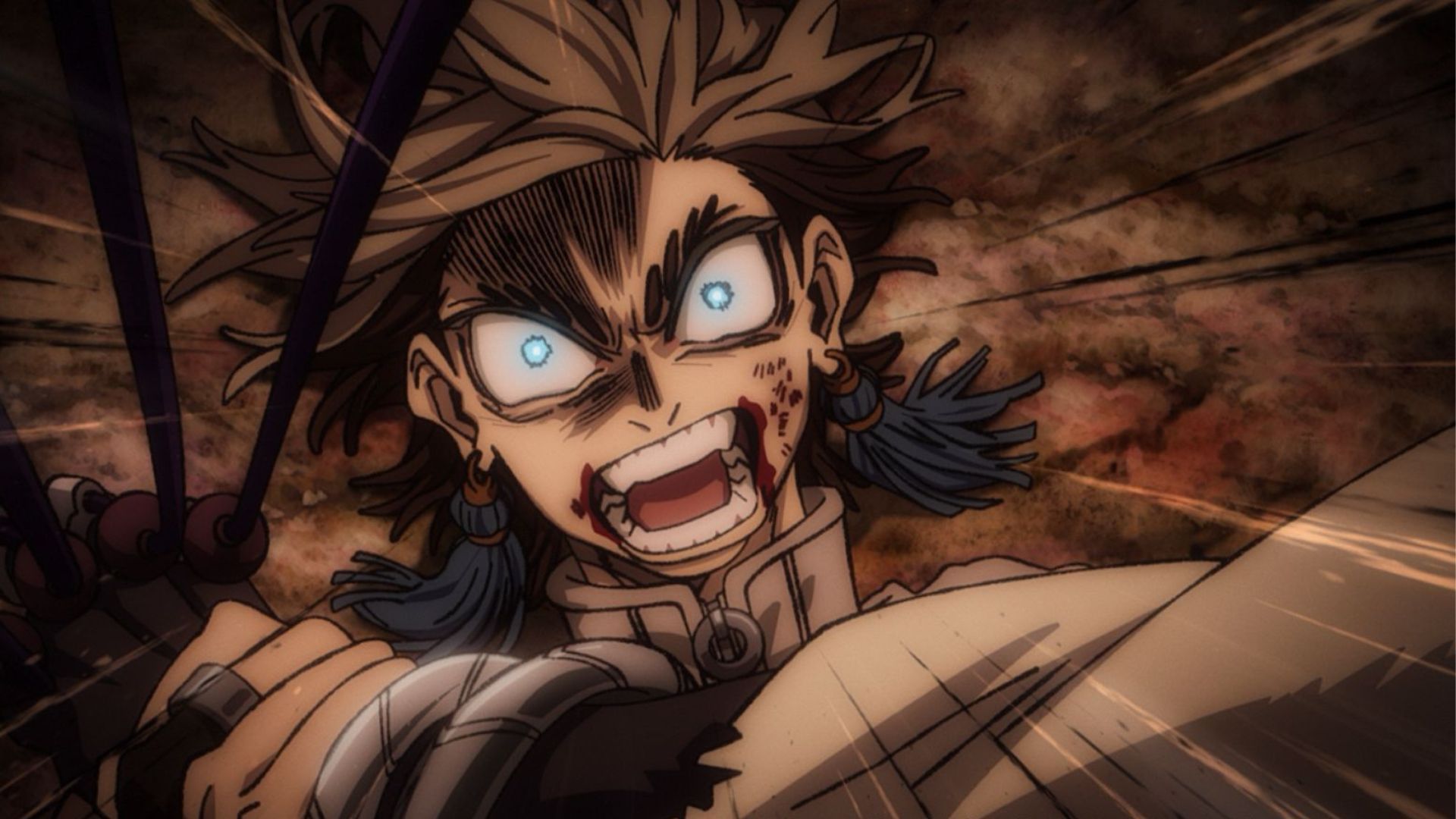
It was supposed to be the breakout shonen hit of 2025. Instead, Gachiakuta has become the most controversial anime of the year — and not for the reasons its fans expected. Crunchyroll’s top-rated new series has been slapped with the unwanted title of Most Toxic Fandom of 2026, and creator Kei Urana has been caught in a firestorm of backlash that shows no signs of slowing down.
What started as a simple stage play casting announcement has spiraled into three separate controversies, each one more intense than the last. Racism accusations, a fandom-splitting gender debate, and a bizarre case of mistaken identity around the mangaka herself — Gachiakuta’s 2026 has been a masterclass in how quickly things can go wrong when passion crosses into toxicity. Here is everything that happened and why this might be the biggest fandom drama of the year.
The Stage Play Casting That Sparked Everything
On December 15, 2025, the same day Gachiakuta’s Season 1 finale aired on Crunchyroll, fans received double the news: Season 2 was confirmed, and a Japanese stage play adaptation was announced. But the celebration was short-lived.
Two characters from the series, Corvus and Semiu, were portrayed by actors who darkened their skin using makeup in the stage play’s promotional poster. Both characters are widely understood to be of African descent, a reading that mangaka Kei Urana herself has supported in the past. The image immediately triggered accusations of blackface across social media platforms.
Urana responded by posting an Instagram story explaining the casting process. She claimed she had specifically asked producers to cast performers of African descent for characters with darker skin tones but was told it was difficult to find actors who fit that description and were also fluent in Japanese. She had asked the producers to at least avoid using blackface — and yet the poster clearly showed otherwise.
Despite Urana’s explanation, the backlash did not stop. Worse, a secondary debate emerged: some fans began arguing that Corvus and Semiu were never confirmed as POC characters in the first place. Urana has never officially confirmed the race or ethnicity of any character in the series except Zanka Nijiku and his family, leaving the entire conversation in a gray area that fueled even more arguments.
The Tamsy Caines Gender Debate That Tore the Fandom in Half
If the casting controversy was not enough, the Gachiakuta fandom imploded a second time over the identity of one specific character: Tamsy Caines.
Speculation had been building for months that Tamsy might be a transgender male. The theory was based on several manga panels where Tamsy appears androgynous or stereotypically feminine, combined with the fact that Tamsy’s Japanese voice actress, Mitsuki Saiga, is a woman. The theory gained so much traction that a significant portion of the fandom simply accepted it as canon without official confirmation.
Then Kei Urana shut it down. In a direct response to fans, she stated: “They’re saying things like Tamsy is transgender; I don’t think that’s the case at all.”
The confirmation sent shockwaves through the community. LGBTQ+ fans who had embraced the theory felt dismissed and hurt. Others accused them of pressuring Urana for more queer representation. Meanwhile, fans who defended the creator’s statement were hit with accusations of transphobia. What was meant to clarify canon instead created an even deeper divide.
The Non-Binary Rumor That Targeted the Creator Herself
The Tamsy controversy led directly to a third, even more uncomfortable situation — one that put Kei Urana herself in the crosshairs of her own fandom.
Following the negative discourse around the LGBTQ+ community’s response to the Tamsy confirmation, X (formerly Twitter) users began circulating claims that Urana identified as non-binary and preferred they/them pronouns. The rumor spread so widely that it was treated as established fact by many fans.
On January 15, 2026, Urana took to Instagram once again to express her surprise at these claims. The rumor was false. The misconception originated from a common practice among Japanese creators: Urana had initially chosen to remain anonymous, and when the manga began being translated internationally in 2023, she requested gender-neutral pronouns to maintain that anonymity. Western fans, particularly in languages like French that lack specific gender-neutral pronouns, misinterpreted this as a personal identity preference rather than a professional choice.
Long-time anime reviewer Chibi Reviews posted snapshots of Urana’s Instagram story on X, calling out the unnecessary hate the creator was receiving. The message was clear: a mangaka asking for basic privacy had been dragged into a culture war she never asked to be part of.
Where Gachiakuta Goes From Here
Despite the controversies, Gachiakuta remains one of the most popular anime on Crunchyroll. Season 2 was announced alongside the stage play, and the show’s animation studio Bones continues to deliver high-quality production that keeps viewers coming back. Director Satoshi Nakagawa and writer Ikuro Sato have built something visually stunning, with voice performances from Aoi Ichikawa as Rudo and Katsuyuki Konishi as Enjin anchoring the emotional core of the series.
But the toxicity in the fandom is real, and it has already driven some fans away. The question is whether Season 2 can restore the community’s focus to what made Gachiakuta great in the first place: a compelling story about finding value in what others throw away. For more on what’s dominating the Spring 2026 anime season, check out our full breakdown of the season’s biggest shows.
What Do You Think?
Gachiakuta’s journey from breakout hit to controversy magnet is one of the most dramatic stories in anime this year. The series itself is fantastic, but the fandom drama around Kei Urana, the stage play casting, and the Tamsy Caines debate has overshadowed the actual content.
So here’s the question: Is the Gachiakuta fandom beyond saving, or can Season 2 bring everyone back together? Was Urana’s handling of these controversies fair, or should she have stayed silent? And most importantly — are you still watching, or did the drama drive you away?
Drop your thoughts in the comments below. This is one conversation the anime community needs to have.