For over two decades, the Musou genre has carried a familiar reputation: mindlessly mowing down thousands of faceless soldiers while feeling like an unstoppable god of war. But what happens when Koei Tecmo strips away the bloated roster, injects nerve-wracking tactical depth, and makes every single clash on the battlefield feel genuinely lethal? That is precisely the gamble developer Omega Force is making with Dynasty Warriors: Origins, and the gaming community is stunned by how dramatically the classic Three Kingdoms formula has evolved.
A Nameless Protagonist and a Darker Three Kingdoms Epic
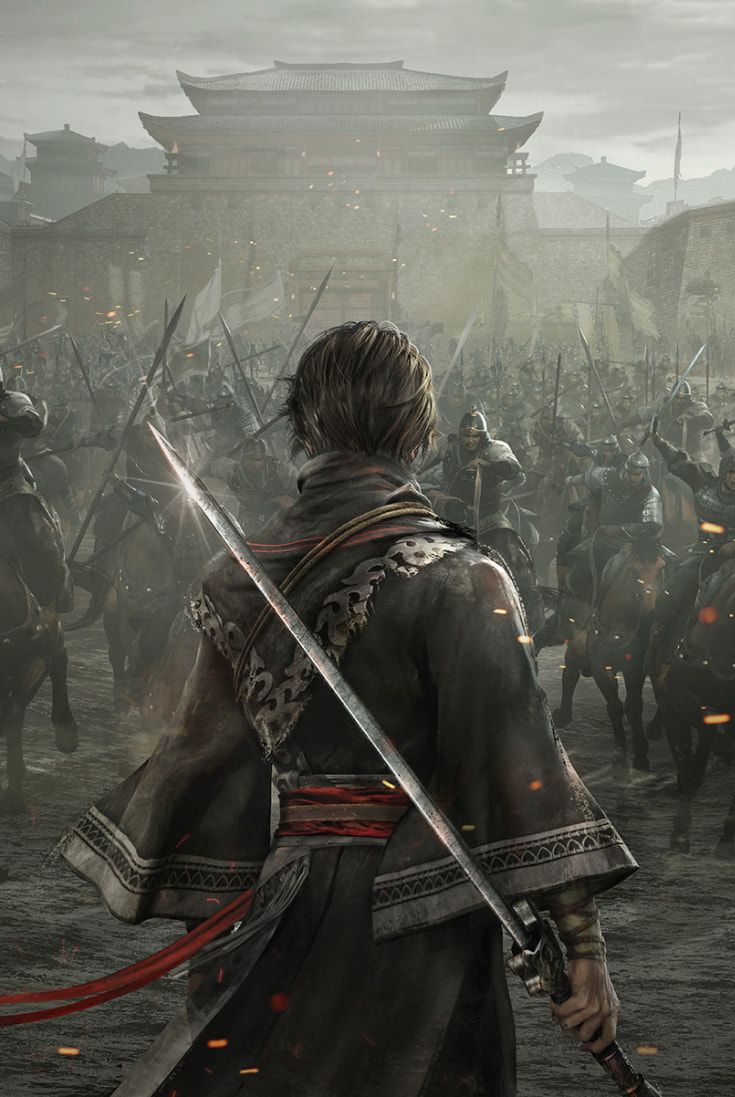
Unlike previous installments that allowed players to immediately select from nearly a hundred legendary warriors, Dynasty Warriors: Origins takes an intimate narrative angle. Players step into the worn straw sandals of a mysterious, nameless wandering martial artist suffering from amnesia. Through his perceptive eyes, the chaotic decline of the Han Dynasty unfolds with cinematic gravity, beginning with the fanatical uprising of the Yellow Turban Rebellion led by Zhang Jiao.
Producer Tomohiko Sho and the creative leads at Omega Force made the bold creative choice to narrow the perspective so the emotional weight of China’s fractured realm hits home. By journeying alongside iconic figures like Liu Bei, Cao Cao, and Sun Jian before their grand empires were carved in blood, players experience the intimate human drama that sparked centuries of warfare.
Tactical Command Meets Raw 1 vs 1,000 Combat
The core combat engine has undergone the most radical overhaul in the franchise’s history. While players can still unleash sweeping martial combinations against massive waves of infantry, enemies no longer wait politely in line to be defeated. Enemy platoons now march in tight spear walls, cavalry charges disrupt your flanks, and morale determines whether your allies push forward or collapse in sheer panic.
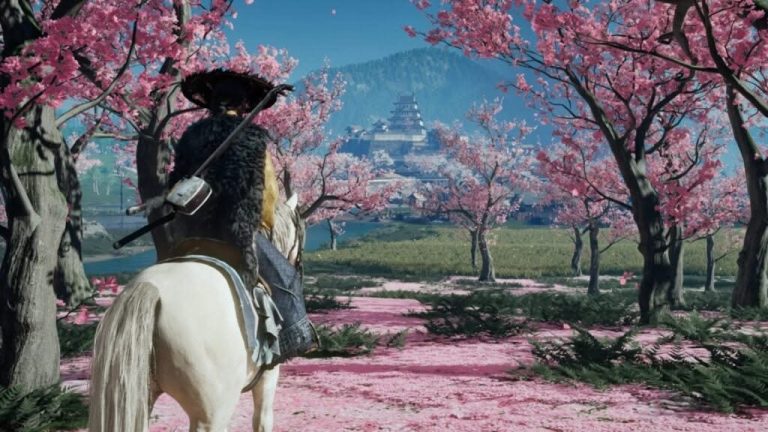
The new command mechanic allows players to issue direct tactical orders to allied units, executing coordinated volley fire or pincer movements in the heat of battle. Rather than feeling like a lone superhero roaming an empty sandbox, the game creates the breathtaking illusion of being an indispensable commander fighting inside a living, breathing historical war theater—much like the gritty immersion seen in Ghost of Yōtei and cinematic blockbusters like Marvel 1943: Rise of Hydra.
Why Facing Lu Bu and Grand Officers Is Terrifying Again
Remember when officer duels were simple button-mashing contests? In Dynasty Warriors: Origins, encountering legendary generals like Guan Yu, Xiahou Dun, or the monstrous Flying General Lu Bu is a heart-stopping event. Grand Officers feature distinct poise bars, punishing parry windows, and devastating unblockable arts that require precision evasion and weapon mastery.
To survive against these battlefield titans, players must dynamically swap between multiple weapon types—including the nimble sword, heavy spear, and crushing guandao—each boasting distinct parry timings and weapon arts. Furthermore, temporary companion swaps allow players to take control of sworn allies during pivotal duels, delivering an adrenaline-pumping rush that rewards mastery rather than brute repetition.
Visual Splendor and Technical Prowess on Modern Platforms
Powered by modern hardware optimization on PlayStation 5, Xbox Series X|S, and Steam PC, the battlefield density is staggering. Up to ten thousand fully rendered combatants clash across dynamic terrains, with dynamic weather shifts and volumetric dust clouds adding unprecedented atmosphere to classic skirmishes like the Battle of Hulao Gate and the Battle of Chibi.
With performance maintaining a silky smooth 60 frames per second amidst hundreds of simultaneous particle effects and physics calculations, Omega Force has silenced critics who felt the series had grown technologically stagnant.
What Do You Think?
Are you excited to experience the Three Kingdoms saga through the eyes of a nameless martial artist, or do you prefer the sprawling hundred-character rosters of classic Musou titles? How do you think the tighter parry mechanics and tactical squad commands stack up against recent action RPG titans? Share your thoughts, combat strategies, and favorite officer showdowns in the comments below!